
• About Teal Diva
    +
    • Our Mission
    • Our Blog
    • Impact & Privacy Policy
    • Contact Us
  • Resources
    +
    • Awareness
    • Cancer Awareness Toolkits
    • Now What?
  • Survivor Support
    +
    • Encouragement Cards
    • Teal Dignity Apparel
    • Yes Girl!
    • Teal Diva Retreat
    • Diva Boutique
  • Events
    +
    • Calendar
    • Teal Diva 5K
    • A Mile For Her
    • Bourbon, Bubbles & Bling
    • Teal Diva Retreat
  • Get Involved
  • Donate Today
Teal Diva Logo

Teal Diva

Connecting gynecological cancer survivors in a caring community.

Teal Diva
  • About Teal Diva
    • Our Mission
    • Our Blog
    • Impact & Privacy Policy
    • Contact Us
  • Resources
    • Awareness
    • Cancer Awareness Toolkits
    • Now What?
  • Survivor Support
    • Encouragement Cards
    • Teal Dignity Apparel
    • Yes Girl!
    • Teal Diva Retreat
    • Diva Boutique
  • Events
    • Calendar
    • Teal Diva 5K
    • A Mile For Her
    • Bourbon, Bubbles & Bling
    • Teal Diva Retreat
  • Get Involved
  • Donate Today

Uncategorized

By : Mai Linh Nguyen Achong  

Let’s take a glance back to the year 2008. I was 26 years old, working full-time as the Assistant Sales Manager of a well-known national gym. I took nutrition and fitness seriously, not just because it was my job, but also creating a lifestyle to include daily weight training, cardiovascular training, hydration, and nutrition. My workdays seemed longer since the hours I wasn’t on the clock, I was still in the gym, exercising. I was still trying to prove myself in the world. Having graduated from college in 2004 with a degree in music, I moved to New York City to live my dreams as a Broadway performer. I quickly realized that everyone in the city was so talented. Whether a singer, dancer, actor, model, or artist, many came with big hopes and bright eyes to land “the gig” to propel them into stardom. The winters were too cold for this Florida girl, and I was homesick. I put away my NYC dreams and worked hard to look better, feel better, and earn a full-time income while still taking on smaller singing and modeling jobs. I was passionate about fitness and wanted to help others in their health goals.  

As in any sales job, the hours were long, and my stress was to the max trying to meet my sales quota, while also managing the sales team. Where I once found joy in the gym, it started to feel less exciting, the magic had faded, and I felt the weight of the team and its members on my shoulders. I started to question myself: Would I earn my bonus this month? Will it be enough to support me? Will I still have personal growth? Is this what I wanted? Will I make my parents happy? Am I using my college education at all? Am I enough?   

I went out of town to visit my boyfriend at the time for the 4th of July week. That Summer, he was working in New Jersey, very close to New York City. I was excited to be just a short train ride away from a city I loved, missed, and to be able to visit my friends again. Unfortunately, I did not get to do what I planned. That evening, I had excruciating pelvic and abdominal pain. It was a sharp, stabbing pain, radiating up from the tips of my shoulders and down to my rectum. It was debilitating; I was curled in a ball, writhing in agony, waiting for the moment when the pain would ease up. This reminded me of a time four years prior, when I had similar episodes for an hour or two at a time, but the ovarian “cyst” was never followed up on. This time, it did not let up. I was miserable and couldn’t stand up straight, barely able to walk, feeling like I had the flu, with no temperature, and in so much pain. I never made it on the train to go to New York City.   

It was a holiday weekend, and I couldn’t get in touch with a doctor, so I decided to go to the local pharmacy. (In hindsight, I should have gone to the ER.) I thought maybe the pharmacist could give me some medical advice. I explained my pain and symptoms, which were thought to be bowel upset and a possible urinary tract infection. She advised me to buy Pepto Bismol and, for good measure, to start taking AZO with a low dose of antibiotics that can be purchased over the counter until I could get back home and see my doctor. Neither of these medications helped ease my pain, nor help with any of the overall sickness I felt consumed with. By Monday, I was able to schedule an appointment with my primary care physician one week away and another appointment with my OB/gynecologist for two weeks out. During that one week’s stay, I managed to merely crawl to the pool once, and by the time I was ready to fly back home, I was strong enough to walk again.  

My primary care physician ordered an ultrasound to be performed in the office. The report stated that they had difficulty visualizing my left ovary. He sent me for a CT scan with appropriate timing for my gynecologist to review the results with me. There was a mass on my left ovary, the size of a softball. She was able to help me get in for a transvaginal ultrasound to be reviewed by her trusted radiologist. I’ll never forget when the radiologist came into the exam room following my ultrasound with the technician, and saying, “Let me put it to you this way: if you were my wife, daughter, sister, or mother, I would not let you leave the hospital today without having this mass removed”. I understood the severity of his statement and that it could possibly be cancer, but it really hit me just a couple of days later, when my new gynecologic oncologist told me that if I did not have clear margins, he might have to perform a total hysterectomy.  

On September 26, 2008, I was diagnosed with Ovarian Cancer, a rare subtype called Granulosa Cell Tumor. It was contained just to my left ovary, which was removed with my fallopian tube. Due to the early stage and otherwise clear margins, my gynecologic oncologist performed a fertility-sparing surgery. That meant I still had the possibility of conceiving a child.  

Recovery was much more painful than I anticipated, especially in the first two weeks. I stayed with my parents for the first month, where they loved and cared for me, making sure I was able to eat and helping me with my J-drain site, which was very irritated. It felt wonderful to be with my parents and able to completely relax and heal. Soon, I moved back to my apartment and, having an unpaid leave of absence, I was eager to get back to work to earn money and get back into my workout routine. I thought I would bounce right back into shape. I remember the first day I came back to work out. I had lost my stamina and strength. I tried to kick the boxing heavy bag that was waist high, and felt so much pressure in my pelvis and abdomen. I tried kicking lower and still felt so much pressure. I was surprised and frustrated, and wondered if I would ever be strong again.  

I realized I really needed to ease into it, almost like starting over with less intense exercise, such as walking on the treadmill, using the elliptical machine, and light weight training. I had to tune into my body and listen for the cues, to understand what my new limits were and to take my time. Each day, I got a little stronger, and each week even more so. That allowed me to start jogging, then running, getting back into jumping, calisthenics, isometrics, and finally able to do abdominal exercises too.  

Soon, though, I felt immensely tired. I hadn’t started menstruating again following my surgery, but I figured that it was due to hormonal changes after losing one ovary. On December 3, 2008, I took a pregnancy test, and it revealed I was pregnant. There was a wave of emotions ranging from surprise and wonder that I was able to conceive, to fear, even anger, and everything in between, to joy. I was monitored closely during my pregnancy because I was considered high risk due to my recent cancer diagnosis. I had ultrasounds monthly and visits with my OB/gynecologist as well as my gynecologic oncologist. I carried to full term and gave natural birth to a healthy, beautiful, miracle baby girl – my daughter.  

I’d like to say my journey of cancer ended with this one time I was diagnosed. However, I was just writing my next chapter of life after cancer with my daughter, and then living with a chronic illness. I had my first recurrence in June of 2013. The year prior, my tumor marker, Inhibin B, was increasing out of normal range for a woman who is still pre-menopausal. My gynecologic oncologist moved to another hospital, I had an interim doctor who started monitoring me much more closely with labs, and then I was assigned to my third gynecologic oncologist. She did order scans and repeat labs, but just as I started having symptoms of fatigue, abdominal, pelvic, and back pain, I lost follow-up care for 6 months. By the time I ended up in surgery, my ovarian cancer had metastasized to several areas, and the largest tumor on the right side of my liver ruptured, spilling cancer cells into my abdominal cavity. I met my fourth oncologist while I was still a patient at the hospital. I was heartbroken and felt betrayed by not just my prior oncologist, but also by my own body. How could this body of mine wreak so much havoc? Why was it against me?  

A few weeks post-operative, I had my first follow-up appointment and learned that pathology results from all my tumor samples confirmed this was recurrent disease and that I would have a chest port placed and begin chemotherapy. It was a strong cocktail of three drugs for 5 days straight in the first week, two weeks recovering, and repeating this for 6 cycles. I would have an additional surgery to remove the remaining disease that was left behind, a complete hysterectomy, and then another 3 cycles of a different combination of chemotherapy. This plan was to remove all visual disease and then kill the cancer cells microscopically. I knew my body was about to take a huge beating. 

It was important for me to find a way to feel like I still had some control over my health. I quickly learned how sick and weak chemotherapy would make me feel, starting on the 3rd day of infusion and remaining for 7-10 days following. I tried my best to stay hydrated, although water started to have a metallic taste. I would go on short walks in between naps just to try to keep up with mobility and circulation. By the end of the second week of each cycle, I would start working out again. My oncologist recommended I refrain from being in crowds because my immune system was low, so I started a new routine at home and outside. With a friend, I did a combination of a jog to the park one mile away, calisthenics, isometrics, and using the walls and stairs around the playground for strengthening moves like wall dips, pushups, step-ups, wall jumps, etc., and then a mile jog back home. I also had light dumbbells at home for additional exercises to retain muscle mass and did a series of abdominal exercises as well. I wanted to get as strong as possible before my scheduled surgery that Fall.   

I think our bodies are so strong and train us to forget pain. That next surgery was a tough one and it took over 9 hours for my oncologist to remove all traces of the disease. Along with the cytoreductive surgery, I had a hysterectomy, cholecystectomy, and omentectomy, and recovery was in the ICU for my first several days before transitioning to a standard inpatient unit. Once I was discharged to go home with my parents, I felt like it was nearly a month before I felt strong enough to walk down the street. It was only for a moment before starting the next chemotherapy sessions. On December 30, 2013, I rang the bell for the end of chemotherapy. Lab work and Scans months following showed I had no evidence of disease-NED.  

I faced the challenge, once again, of starting fitness as if it were brand new. Short walks turned into longer walks, then jogs into running, resistance training into heavier lifting. I continued to listen to my body, which sometimes meant days of lots of resting and napping, until I could emerge from the chemo cloud of fatigue and work again towards muscle and bone mass retention.  

I continued working out at home and in the gym. In 2016, I faced two recurrences, including just a couple of months after marriage, then again in 2017. I underwent surgeries each time, and then more chemotherapy. Since 2017, I cannot say that I have seen remission or heard the words “there’s no evidence of disease”. I had a splenectomy, appendectomy, and more surgeries to remove metastatic cancer. I underwent radiation, multiple combinations of endocrine therapies, and other medications to try to keep the disease stable, only to fall back into surgery time after time. It became a science of surgery, recovery, relearning, and reteaching my body to regain strength, conditioning, and stamina. I always kept in mind that I had to try to achieve my optimal strength in my stretches of good months, just to prepare for a blow.  

In October 2022, I entered the operating room for my tenth surgery to remove a large tumor on my liver, too dangerous to radiate because of its proximity to my heart. We knew it was going to be a big surgery, one that a liver transplant doctor would perform. Surgery went well, but recovery did not. I was home for under a week before I was rushed back to the ER, into emergency surgery to repair a perforated bowel. I started to recover well for a few days, and then started showing signs of infection. A CT scan revealed that my bowel anastomosis failed, spilling into my abdomen. I went septic, they did an abdominal washout, and I had frozen bowel, and they had to sew off the ends of my detached intestines to let me rest. I was in the ICU, intubated with walls of medications to treat sepsis and keep me alive. I had another washout, and they still could not perform surgery. In the ICU, the doctors started to tell me they needed to create a temporary ileostomy, and they would leave my abdomen open to continually medicate me through IVs and treat the sepsis. On November 16, 2022, I had my ileostomy created and wound vac placed. I had one more time in the operating room to change out my type of wound vac. I improved slowly before Thanksgiving; I was transferred to the standard colorectal surgery unit to recover. My abdominal wall could not be surgically closed. In December, I was discharged with a wound vac, lessons on wound care for my large abdominal wound as high as my sternum down to my pubic line and up to 5 inches at its widest point, and an ileostomy. I was readmitted the next week for monitoring of a new enterocutaneous fistula (ECF) I developed on the inactive side of my bowels.  

When I was discharged, I could barely walk outside of my front door without feeling winded. I lost all my muscle mass. I had to be pushed in a wheelchair anytime we left home. My wound emitted so much liquid that my husband had to change my wound dressing 2-3 times daily. I had weekly appointments with my wonderful Wound Ostomy Continence Nurse (W.O.C.N.) to care for my large wound and help me with my ostomy. It took months until I was strong enough to walk into the hospital for appointments, but by February 2023, I could confidently walk throughout the halls of the hospital from one end to the next. I always joke that my dog was the one who bossed me back into shape. He’s an 11-pound chihuahua who scoffs when he wants to go outside, which is very frequently. That made it mandatory for me to get off the couch and into the fresh (hot and humid) air to move my limbs several times a day.  

I was accepted into a clinical trial in June 2023 and couldn’t wait for the day that I would have an ileostomy reversal and abdominal reconstructive repair. Weekly appointments with wound/ostomy care turned into months, and visits with my colorectal team started to seem like my repair and reversal were not happening as soon as I thought it would. By summer 2024, my colorectal team and gynecologic oncologist told me a surgery would be too risky and possibly catastrophic due to scar tissue and the difficulty of cutting in without damaging even more of my bowels.  Additionally, I was removed from the clinical trial when my tumor load increased by over 38%. I was devastated. I wanted my health back, I wanted my body back, I wanted to look and feel normal again, but now, I would never be able to ease my way back into feeling whole. I yearned to find a way to not just exist, but to thrive again. I spent nearly 2 years just trying to survive and heal my wound, believing that it was only temporary. The ugly truth was that the cancer caused physical changes that would never be fixed.  

In October 2024, I asked my doctor for pelvic floor physical therapy. This is something I feared for a long time, but I knew I had to face it to feel like a human being. My PT addressed my overall concerns and helped me create goals: lowered lung volume, diaphragm changes which were concerns because I sing and cannot inhale and adequately support breath control; chronic abdominal, rib, pelvic pain; learning to exercise without injury to extensive ventral hernia from healing by secondary intention, not closure; rebuilding muscle strength and endurance; exercising with an ileostomy; sexual function.  With a combination of breathing techniques, biometric feedback, and mobility exercises, I started to recognize some flexibility and strength. She taught me how to use a set of resistance bands again and how to incorporate breathing to engage, then relax my pelvic floor. She took me into the gym to warm up on a recumbent bike, exercises on the Pilates reformer to strengthen my legs while lying down, and eventually to incorporate the exercise ball. She encouraged me to practice at home, and I slowly felt comfortable enough to start a workout program on my own. I knew this would give me a routine to follow, without the pressure of being seen in public. I really had to listen to my body to recognize this difference between my normal pain from tumors, bowel, or scar tissue, and focusing on what I learned I can do, instead of what I cannot do.   

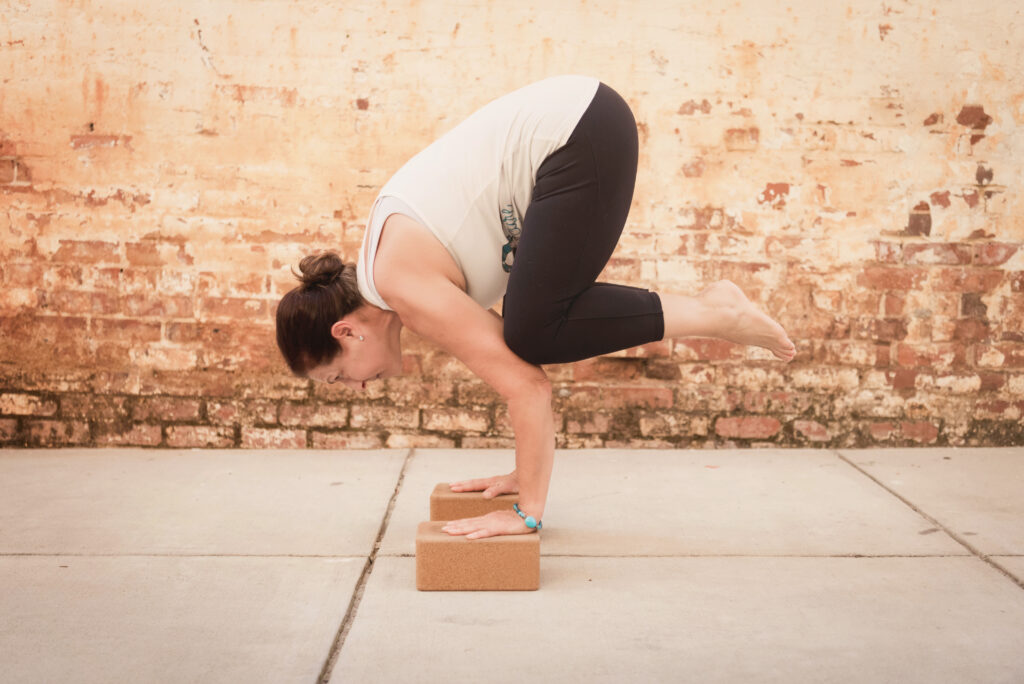
I started with 5-pound weights, or sometimes no dumbbells at all. I had to give myself a lot of grace. It is not easy for me to transition from lying completely flat on my back to standing back right back up, without straining my abdomen that has no connected midline muscles. I cannot do abdominal exercises like crunches or sit-ups, and must even modify anything in the plank. One thing I’m susceptible to is called a parastomal hernia, because this can affect up to 50% of patients who have a colostomy or ileostomy. I wear an ostomy belt when I exercise to help hold in some of my bulging intestines and support the area around my stoma as well. The program I am following calls for 4 days per week, with an optional 5th day. On my good weeks, I do all 5, but on others, I may do 2 or 3, but I always make sure to continue to move forward to the next workout ahead. I’ve also learned that dehydration is very common in individuals living with an ostomy, and with added exercise, I must increase hydration. I have increased the amount of weight I can lift, have gotten faster at transitions, have even been able to do indoor cycling again (check out https://orlando.ocrafit.ocrahope.org/), stronger at a plank in bear stance instead of straight legged, and have become much more comfortable with creating modifications for exercises that are not safe for me. I even started going to the gym with my daughter.   

I honor naps on many days, just to get through the entire day and still be able to work out and keep up with my daughter’s many extracurricular activities, games, and be present with my family. Some days, when I have more pain than normal, I give myself the chance to rest. Also, when I feel emotionally defeated, I allow myself that space to grieve the person I once was. I am proud of how far I’ve come from the days when life felt so grim in the ICU, too weak to even hold a conversation. I am grateful for God’s grace and the consistent support I’ve had from my family, my church, my friends, and my survivor sisterhood. I will continue to work out to fine-tune my new definition of health, even while living with active ovarian cancer, with my new accessories, to help my mental clarity, release good endorphins, reverse osteoporosis and muscle atrophy, reduce stress and anxiety while finding the new version of me, one step at a time. 


Your wellness is in your hands, right now, no matter if you’re starting at level 0 or at level 10. Ready to take your first step? Whether it’s a walk around the block or logging miles with purpose, we invite you to join the movement with meaning. We’re inviting you to sign up for our September virtual challenge, Mile for Her! You can track your miles at your own pace, and help raise awareness for women like Mai Linh who continue to fight every day.

Start your Mile for her – because every step counts.

Sign Up Here!

Uncategorized

“I have a scar from a port-a-cath placement (I still have my port). If I elect to remove my port anytime soon, I want to be left with a scar. Why might you ask? My scar is not big, BUT it is visible. I want people to ask me about it! I want to share my story as a cautionary tale to ensure that women take charge of their health, screen regularly, vaccinate if appropriate, and advocate for their best care! “

-Christy, Cervical Cancer Survivor


When you look in the mirror and see the scar, you may feel a rush of emotions—grief, anger, confusion, or even numbness. For many gynecologic cancer survivors, these scars aren’t just physical—they’re deeply emotional reminders of what cancer took and what it gave in return. 

Maybe your scar is from a hysterectomy, surgery, or another procedure meant to save your life. It might be tucked low on your abdomen or stretch across places you never imagined would bear the mark of illness. No matter where it is or how long it’s been, it’s valid to feel a complicated mix of things when you see it. 

You may not feel proud of your scar right now. And that’s okay. 

The world often pushes the idea that survivors should “own” their scars, wear them as a badge of honor. And while some people eventually do feel that way, others don’t. You may feel disconnected from your body, like it betrayed you or looks unfamiliar. You may mourn what was lost—not just the skin or the organs, but the sense of self that existed before cancer entered your story. 

That doesn’t make you any less of a survivor. That makes you human. 

But here’s what I hope you’ll hear today: your scar tells a story of endurance. It’s a visible thread in the tapestry of your strength. Every stitch, every mark, every healed edge is proof of how hard your body fought to keep you here. 

You didn’t choose this path, but you showed up for it with courage. And that is BEAUTIFUL. 

Maybe one day you’ll look at your scar and feel peace. Maybe you’ll never love it—but you’ll learn to live with it. And maybe, just maybe, it will start to feel like part of who you are—not the enemy, not the flaw, but a witness to your survival. 

However you feel about your scar today, know this: you are not alone. There’s no “right” way to carry what cancer leaves behind. But in every stage of healing, from resentment to acceptance, your feelings matter—and your story matters too. 

So to the survivor who feels unsure about her reflection, to the one who covers up her scar or avoids the mirror: you are still whole, still radiant, and still incredibly strong. 

Your scar doesn’t define your beauty—it redefines it. And that’s a kind of strength the world can’t see unless they’re paying attention. 

Uncategorized

When it comes to protecting your skin, sunscreen is one of your best lines of defense—but with so many myths, types, and tips floating around, it’s easy to get confused. Let’s clear up the confusion and help you feel confident about your sunscreen choices.

Why Sunscreen Matters

First things first: UV rays from the sun can cause skin cancer, premature aging, and sunburn. Sunscreen helps block or absorb those rays before they can do damage. And no, sunscreen itself does not cause cancer. In fact, both the American Cancer Society and the American Academy of Dermatology support the use of sunscreen as a safe and effective way to reduce your risk.

Debunking Common Sunscreen Myths

  • “I don’t need sunscreen because I have darker skin.”
  • All skin types and tones can suffer sun damage and develop skin cancer. Everyone needs protection.
  • “A high SPF means I don’t have to reapply.”
  • Not true. No sunscreen lasts all day. Reapplying every 2 hours or after swimming or sweating is essential.
  • “Sunscreens are waterproof.”
  • Nope! No sunscreen is truly waterproof. Look for “water-resistant,” and still, reapply after water exposure.
  • “I can use last year’s sunscreen.”
  • Maybe, but check the expiration date. Most sunscreens are good for 2–3 years, but expired ones won’t protect as well.

Understanding the Types of Sunscreen

There are two main types of sunscreen: chemical and physical (also called mineral). Here’s how they differ:

Chemical Sunscreen

  • How it works: Absorbs into your skin and converts UV rays into heat, which is then released.
  • Pros: Lightweight, blends easily into the skin.
  • Cons: Breaks down faster in the sun, needs more frequent application.

Physical (Mineral) Sunscreen

  • How it works: Sits on the skin’s surface and blocks UV rays.
  • Ingredients: Zinc oxide and/or titanium dioxide.
  • Pros: Offers broad protection, less likely to irritate sensitive skin.
  • Bonus: Many mineral sunscreens come tinted to blend with all skin tones.

Both types are considered safe and effective. The FDA monitors sunscreen ingredients and safety rigorously, with decades of scientific research backing them up.

What to Look For in a Sunscreen

  • Broad spectrum: Protects against both UVA (aging rays) and UVB (burning rays).
  • SPF 30 or higher: SPF protects mainly against UVB rays.
  • Water-resistant: Gives better staying power when sweating or swimming.
  • Unexpired: Always check the date.

Smart Sunscreen Habits

Even the best sunscreen won’t do much if it’s not used properly. Keep these habits in mind:

  • Apply generously—most people don’t use enough.
  • Don’t forget the scalp, ears, neck, arms, lips, and top of the feet.
  • Apply sunscreen first before makeup.
  • Reapply every 2 hours, or immediately after swimming or sweating.

Make Sunscreen Part of Your Daily Routine

Whether it’s sunny or cloudy, summer or winter, sunscreen should be part of your everyday skincare routine. Just like brushing your teeth or washing your face, protecting your skin daily is a habit worth forming.

By understanding the facts and choosing the right products, you’re taking a big step toward healthier, protected skin for life. So the next time you reach for sunscreen, you’ll know exactly what you’re doing and why it matters.

Stay sun-safe and shine on!

Rubber Ducky Sunscreen and Sky and Sol are two sunscreens that we have been loving lately, if you’re interested check them out! 

Uncategorized

Ellen wasn’t just a name. She was a force of kindness, wisdom, and deep love. A Christian, a devoted wife, a proud mother, and grandmother, Ellen’s life was defined by service, compassion, and a fierce belief in the power of community. Above all, she was a friend—one who could be counted on through thick and thin, always ready to offer a listening ear, a word of advice, or simply share in a moment of joy.

But Ellen’s influence wasn’t limited to her family. She was an outspoken advocate for marginalized communities—especially those who often felt unseen or unheard. Whether it was supporting the LGBTQ+ community, speaking out for immigrants, or offering her time and resources to those less fortunate, Ellen’s heart was always wide open. She cared deeply, and her actions spoke louder than words.

We asked Rob, one of Ellen’s sons, and his family to tell us about Ellen: what they miss most and how they honor her legacy and here is what they had to say.

The Ellen We Miss

What do we miss the most about Ellen? It’s the small, everyday moments that were once so abundant. We miss calling her just to tell her something funny we saw, to share the latest milestone from her grandkids, or simply to gossip and chat about life. But more than anything, we miss her wisdom, acceptance, and unconditional love.

When we think of her now, we smile when we see butterflies fluttering by or when we hear the soft chime of wind chimes in the breeze. She had a special connection with nature, and we often feel her presence near the coast—the place where she instilled in us a deep love for the beach, especially Sunset Beach, NC.

A Tribute to Ellen: The Teal Diva 5K

Ellen’s legacy didn’t end with her passing. After she was diagnosed with cancer, Ellen became passionate about raising awareness for gynecological cancers, and one of the ways she sought to make a difference was through the Teal Diva 5K. She had heard about the event early in her treatment and was determined to be a part of it. In fact, she sent a message to her family, urging us to participate and support the cause. Her enthusiasm was contagious—she wanted to do anything she could to help.

But life had other plans. Ellen’s decline was swift, and she passed away on April 3, 2022, just one month before the race. Despite this, we were determined to honor her wishes and carry on her mission. And so, we put together a team in her honor, calling it “The Gospel of Ellen”—a nod to the nickname given to her Sunday School teachings by her children’s class. We walked, we ran, and we made sure that Ellen’s spirit was there with us every step of the way.

The Teal Diva Classic Volleyball Tournament: A Celebration of Life

But we didn’t stop there. Ellen’s granddaughter, Olivia, had discovered a love for beach volleyball and had already participated in a few benefit tournaments at Capt’n Bill’s, a local venue known for supporting charitable causes. Olivia suggested that we host a volleyball tournament to honor Grammy’s memory and raise awareness for gynecological cancers. It was a natural fit, and soon, the idea for the Teal Diva Classic Volleyball Tournament was born.

With Olivia’s passion for the sport and Bill’s commitment to community causes, we reached out to Capt’n Bill’s to help bring the event to life. Together, we created a special day that not only celebrated Ellen’s life but also raised funds and awareness for an important cause.

There were a total of 21 teams and $1,535 raised.

A Legacy That Lives On

Through these events, Ellen’s spirit continues to touch lives. Her advocacy for those in need, her unwavering love for her family, and her commitment to making the world a better place will never be forgotten. As we continue to celebrate her life, we are reminded that even in her absence, Ellen’s legacy is very much alive—in the lessons she taught us, the people she helped, and the causes she supported.

So, the next time you see a butterfly, hear a wind chime, or feel the breeze by the coast, take a moment to remember Ellen. Her love, her strength, and her devotion to others will forever be part of who we are. And when we gather together at events like the Teal Diva Classic Volleyball Tournament, we do so not just to raise awareness, but to honor the woman who showed us what it truly means to live with compassion and purpose.

Uncategorized

My cancer journey is not the typical one, but one that I think many young women should know about and arm themselves with knowledge as statistics show endometrial cancer (a form of uterine cancer) on the rise. 

What started as a way to preserve my fertility at the age of 37 proactively, became the biggest plot twist of my life that I NEVER saw coming. On my initial consultation visit, a routine ultrasound revealed a thickened endometrium. There were no symptoms except for battling PCOS since I was 15 and missing periods for many years, so this finding certainly raised some concern. A biopsy was done “just in case”, leading me to 5 words that changed my life forever while waiting on a plane at Charlotte Douglas Airport: “Jennifer, you have endometrial cancer”. The next few months after hearing those words consisted of lots of tears, researching staging vs grading of cancer, many doctor appointments and second opinions. It also put a big pause on my egg-freezing journey, not being able to continue that  journey until a clear endometrial biopsy was clear (a girl could dream!). As I was still of childbearing age and had NEVER been pregnant before, we tried everything we could to spare my fertility, including high dose Megace, futile weight loss attempts, and even at one point, the insertion of not 1, but 2 IUDs, with hopes it would reverse the cancer. Despite our best efforts, a repeat D&C in September of 2022 revealed my 2 worst nightmares had come true: my endometrial cancer alarmingly advanced to grade 3 and the best treatment recommended? A full and total hysterectomy. I will never forget that phone call, nor the very moment my heart shattered into a million pieces knowing my life’s greatest desire to grow and carry my own child in my body was being taken away from me. I had always been told that due to PCOS I would have a hard time getting pregnant, but nothing could have ever prepared me for the decisions I had to make following this crushing part of my journey. 

I will forever be thankful to an amazing surgical oncologist who truly listened to me and understood the desires of my heart as a woman who desperately desired motherhood. We ensured it was safe for me to do a lightning round of egg freezing before my hysterectomy where I successfully was able to retrieve 36 eggs (a procedure done without general anesthesia due to my high BMI at the time, and a wicked case of OHSS, ovarian hyper stimulation syndrome, after…shew!😲) I had 36 eggs retrieved on a Tuesday, and my full hysterectomy that following Friday. This all followed by an entry into surgical menopause the moment I woke up from surgery. My final pathology after the surgery revealed Grade 1a Endometrial cancer with 31% of the muscular lining of my uterus affected. I am thankful no chemo or radiation had to be done, but my journey navigating surgical menopause starting at 38 has not been an easy one. Along with coping with the crushing grief of losing my fertility and my life’s greatest desire, I have been abruptly thrust into a life of menopause in my late 30s with very few to no one my age who could relate to my struggles and what I was (and still am) experiencing. 

It’s been a journey of many peaks and valleys, self-love and awareness, anger and sadness, love and forgiveness-and lots of therapy.  Insert Teal Diva and the hope, community, and love that they have shown me since I had to learn to navigate this whole new world of post-cancer/survivorship. A true diamond in the “rough”, Teal Diva brings a community of women who truly understand you.  You never have to explain how you feel, they just “know” with the touch of a hand on your shoulder or a knowing look. The events, the support, the love: I’m not sure what I would do without it all. Though my story ultimately can look like a heartbreaking one, I have found my strength, my voice, and my most authentic self during this journey and oddly, I will forever thank this cancer journey for that. I vow to spend the rest of my life raising awareness for uterine cancer, educating women about uterine cancer (because why did I only hear of it ONCE I WAS DIAGNOSED?!), and ultimately work to be that force that helps one less woman have to experience the obstacles and life-changing events I endured. Thank you Teal Diva, from the bottom of my heart, for the light you are in my life and so many others as well. I am forever grateful.

🤍 Jen

Uncategorized

Every June, we come together to recognize Uterine Cancer Awareness Month, a time to raise our voices, educate our communities, and honor those impacted by the most common gynecologic cancer in the United States. Uterine cancer, which primarily affects the lining of the uterus, is often overlooked in broader cancer conversations—yet its impact is profound.

This month serves as a crucial reminder of the importance of early detection, research, and support. By sharing stories, facts, and resources, we aim to break the silence surrounding uterine cancer and empower individuals to advocate for their health. Whether you’re a survivor, caregiver, healthcare provider, or ally, your voice matters. To start this month off we hear from survivor, Sandy, as she shares her story with our Teal Diva family.


MY DIAGNOSIS
On November 4, 2022, I received a phone call from my OBGYN, and I heard the words “I am so sorry, but you have cancer”. I’m not sure I even heard the rest of the conversation….something about a hysterectomy, possible chemo, radiation, and so forth. I couldn’t breathe.  I had been in her office the day before for my annual OBGYN appointment. Earlier in the year, I had some “on and off” post-menopausal bleeding, but nothing had shown up on a vaginal ultrasound, so she had told me to keep an eye on it, and that we would address any continued spotting in November at my annual checkup. On November 3, at my annual appointment, I told my doctor that I had continued to have some spotting, but not a lot. She did a biopsy that same day. On November 4, I received her phone call with the results. Hearing the words “you have cancer” changes you. It brings out a fighter that you didn’t know existed. I have always considered myself a girly girl. I found out that girly girls know how to fight too!

MY SUPPORT TEAM
A good fighter never fights the fight alone. I am no stranger to the value of a support team. In 2017, at the age of 52, my husband passed away suddenly and unexpectedly from a brief illness. My support team showed up and showed out. My cancer diagnosis was no different. “They” are the very best!! My faith is strong, so my team starts first and foremost with my Lord and Savior, Jesus Christ. I spent a lot of time praying, journaling, reading scripture, and leaning on Him.  When I was worried, I read Psalm 121. When all I could think about was cancer, I leaned on Philippians 4:8, and on and on. My family (new husband, Jack; kids; siblings), extended family members, my church, and my friends, all played a role in my cancer journey. They prayed for me, encouraged me, and provided all the support that a girl could ask for. Jack was my main caregiver during my chemo and radiation treatments. He was a trooper.  We had only been married 11 short months when I received my diagnosis, not exactly what we thought newlywed life would look like. He took me to each chemo appointment; sat with me for hours during my treatment sessions; took me to purchase my first wig (I was very angry that day); shaved my head when I decided that I, not cancer, was going to be in control of when I lost my hair; changed my ice packs to help prevent neuropathy; carried me to bed when the bone pain from chemo was at its worst; and the list goes on. I could not have gotten through this without him. I thank God for him, and the rest of my support team, every day! Cancer is ugly, but the support and love you feel from others is absolutely beautiful!

WHAT DOES A UTERINE CANCER DIAGNOSIS MEAN?
From a medical standpoint, a uterine cancer diagnosis typically means a hysterectomy and possibly chemo and/or radiation treatments. I received all three. At the age of 58, and being post-menopausal, having a hysterectomy was the part of my treatment that I was the least concerned with. However, I did recognize that there are probably younger women who receive a uterine cancer diagnosis, and having a hysterectomy would be much more emotional for them. My heart goes out to those women. After surgery came the chemo and radiation treatments. Chemo is no “walk in the park”, but I did it! It is something that you can get through….it takes hard work and a good support team….but YOU CAN DO THIS!!! And while radiation was a daily commitment, after chemo, I did not find it as challenging. All in all, you do what you have to do to get well and heal. And you lean on, and trust, your healthcare team to help you through it! My healthcare team was/is amazing! From an emotional/mental standpoint, a uterine cancer diagnosis means you have to “dig deep”….tap into your strengths, and where/when you are weak, tap into the strengths of your support team! 

MY HEALTHCARE TEAM AND THEIR SUPPORT
My doctors and nurses are the best! From the day I was diagnosed, they took such great care of me. They not only took care of me from a physical standpoint, but they were also sensitive to the side effects of treatment…..loss of my hair, etc. I remember when my doctor had to tell me that I would lose my hair. He pulled his seat up next to me and was so gentle with how he delivered the message. From my oncologist, my oncology nurses, my chemo nurses, the lab workers that drew my blood before every treatment, to the ladies that sat at the front desk with their smiling faces every time I walked in for a treatment…THANK YOU, THANK YOU!!!! It is your faithfulness and commitment to your job that helps women like me get through this very tough journey.

HOW HAS BEING DIAGNOSED CHANGED MY OUTLOOK ON LIFE:
I could talk for days here, but I will sum it up with a saying that I use a lot now: “Use the good china, drink the good wine, and wear the new clothes. It’s not that I think my time left here is short, but hearing the words “you have cancer” certainly helps you understand that ALL TIME is precious! Embrace ALL of it! Love hard, and love “all-in”! All of these certainly sound like cliches, but they work!

ADVICE I WOULD GIVE SOMEONE NEWLY DIAGNOSED WITH UTERINE CANCER
First and foremost, YOU CAN DO THIS!! Find a healthcare team that you trust and lean on them to walk you through the “treatment plan”. Ask all your questions. They want you to be informed, and they want to encourage you! 

Embrace your support team…LET THEM HELP YOU! Sometimes it is difficult to ask for or to receive help. Allowing them to help you, actually helps them….they can do something in a situation in which they don’t know what to do or how to help. It helps them through the journey as well.

If you are a prayer, then pray, pray, pray. It is my faith and my daily chats with the Lord that gave me the most comfort.

HOW I HAVE FOUND COMMUNITY WITH A CANCER DIAGNOSIS
When you first receive a cancer diagnosis, you feel somewhat alone, or at least I did. My healthcare team gave me a sense of community in that they understood the journey ahead. They met me where I was. They talked me through the treatment plan. They talked me through the side effects. They let me ask all of my questions, and they answered them all. 

I found community in others who had received similar diagnoses. I had several people reach out to me who had been diagnosed with uterine (and other) cancers. One, I had known for years and was not even aware of her diagnosis. Once you share a similar battle, you are connected in a way that is hard to describe. You feel as if you have someone to talk to who understands exactly what you are going through. I have also found this community in the Teal Diva organization. I have participated in the Teal Diva 5k for 3 years in a row. It is empowering to be surrounded by a group of women who have battled (are still battling) a cancer diagnosis. This is an event that I will continue to support as long as I am able. 

Uncategorized

Today we are honored to share one more story involving a gene mutation and a gyn cancer diagnosis. Thank you to Monica, and all the women who shared with us this month and making us more aware of gene mutation and the impact it can have on your life and cancer journey.


How did you find out you were BRCA positive?
I had the genetic testing completed in 2016

What Does a BRCA-Positive Diagnosis Mean?
To me, it meant that I had a higher risk of developing breast cancer. However, it could mean that someone who has breast cancer and is BRCA+ could develop ovarian cancer too.

Did you feel supported by your healthcare team after your diagnosis?
I felt very supported. My doctor recommended a double mastectomy because I had an 88% chance of developing breast cancer. I had the surgery 1 year after my diagnosis.

How has being diagnosed and being BRCA positive changed your diagnosis and care plan?
It didn’t change things very much for me. Because of my amazing medical team, they acted quickly and we took all necessary steps to prevent any future complications.

How has being diagnosed and being BRCA-positive changed your outlook on life?
It forced me to lean on my family for more support, encouraged me to be more healthy, and not be afraid to tell my story. If I can help one person by speaking up or being a soundboard for others, then I feel like I made a positive difference in the world.

What is some advice I’d give to someone newly diagnosed as BRCA-positive?
There’s so much that I could say, but I’ll try to sum it up. First, take a deep breath. You’re not alone. I know that it feels overwhelming, but so many others have walked this road before us. Find support within organizations, such as Teal Diva. Second, knowledge is power! Knowing about your specific mutation and what it means for your cancer risk will be very important. Also, trust your medical team. They should have your best interest at heart and a second opinion never hurts! Lastly, take care of your mental health, talk to your family, and be kind to yourself. All of this will be new and uncharted territory. Give yourself grace as you navigate through this new chapter.

What has testing positive for the BRCA mutation taught me about my body and my strength?
It has taught me that I’m stronger than I thought I was. I won’t say that the surgery recovery was easy, but once I was fully healed and came out on the other side I was impressed by myself. I never thought that I would be able to endure what my body had to go through. I thank God every day for his grace and mercy. I truly believe that I was able to have so much strength because he carried me the entire way.

Uncategorized

2 Time Ovarian Cancer Survivor & Prophylactic Double Mastectomy with Breast Reconstruction, BRCA Warrior

“I have what?” That was the question I asked out loud after hearing that I had Ovarian Cancer over the phone in 2021, in the middle of the pandemic, after an ‘emergency’ surgery to remove a bursting fallopian tube and attached ovary. 

Little did I understand that this was the start of my journey. After my 1st Ovarian Cancer diagnosis and subsequent fullradical hysterectomy and staging, I underwent genetic testing that may indicate why I developed Ovarian Cancer. We discovered through this simple genetic blood test that I was BRCA1 Positive; positive meaning there is a mutation in my BRCA1 gene.

Everyone has BRCA genes, exactly half from each parent. The gene itself does not cause cancer; as a matter of fact, its job is to repair any broken BRCA DNA that can lead to cancers and uncontrolled tumor growth. (yes plural cancers). The name “BRCA” is an abbreviation for “BReast CAncer gene.” A small percentage of us, yes, both men and women, carry a mutated BRCA gene, about 1 in 400*. BRCA1 or BRCA2. A mutation means the BRCA gene may no longer be effective in repairing broken BRCA DNA, leading to different cancers. 

Primarily responsible for breast cancers, hence the name, for my case, I received my broken gene from my Father, who was a prostate cancer survivor, which is why I underwent the simple genetic blood test. BRCA positive genes are responsible for: Female Breast (60%) & Male (0.2%–1.2% – What? Males? Yes with a BRCA1 Positive), Ovarian Cancers (39%–58%) and less common, but just as deadly, Pancreatic (5%), Prostate (7%–26% of men), melanoma, stomach cancers & rare type of endometrial cancer called uterine serous carcinoma.*

I know that’s a lot of information to digest; however, a necessary explanation as to part of my journey. We relocated from California to North Carolina in 2022 for better health care, just in time. A 2nd recurrence of Ovarian Cancer hit. It was back and in my umbilical cord, abdomen wall & muscles in my stomach area, in early 2023. This is how I met Teal Diva. I signed up for my first 5k post-cancer and the day I went to pick up my packet, I found out I had a recurrence while in line. I was blessed to have people surrounding me at the very EXACT moment. Literally picked up my 5k packet and said I have ovarian cancer again and talk about a big hug and being there for me throughout my Ovarian Cancer walk, AGAIN! EXTREMELY fortunate to have Teal Divas support for me to help me through, something I had never fully experienced until then. 

But wait, there’s more. Being BRCA1 positive, I also underwent MRIs and Mammograms, rotating every 6 months, in addition to the Ovarian Cancer CT every 6 months. We found a tumor that may or may not have been cancer, but not able to be fully determined without a biopsy. After completing loads of research on biopsies for my particular cancer, I did NOT want to complete a biopsy as if the tumor was positive for cancer, which would be triple negative breast cancer for BRCA1 patients like myself. I know that the likelihood of it spreading would be high. 

I was faced with a choice. Wait and see and keep monitoring the tumor until it was very clear through the tests that it wascancer, or complete a prophylactic (meaning before a cancer diagnosis) double mastectomy with reconstruction and never have to complete a Breast MRI or Mammogram again. After much thought and discussion with doctors, friends and others that were in this odd situation of having Ovarian cancer first, rather than Breast, I opted for a prophylactic double mastectomy & immediate reconstruction under my breast muscle as I was not a candidate for over the breast muscle since I have a large frame and had naturally larger breasts. I thought it would be a simple procedure, for me it was not. It was a 10-hour surgery, and the healing time was much more intense than what we thought. The tumor was negative for cancer, THANK GOODNESS! 

That news reinforced the decision that we made, my husband and I, that the prophylactic way was the way to go, as scary and hard as it was to come to the decision. I also found out that my basic anatomy was different on both sides of my body. My left and right bones for my chest wall sit differently, as well as my muscles, discovered during surgery. Slightly. Notsomething that can be tested for before surgery. Hence having problems with my right reconstructed side, but fantastic doctors to walk me through each step, including my right-side implant that flipped over post, my permanent implant placement. However, my doctor, in the office, was able to reflip it back over without surgery (strange I know). I am still healing 8 months in, and next will be nipple reconstruction & aesthetic correction of here and there, probably in 2026. 

I encourage people to request genetic testing through their doctor or independently if there are any of the cancers mentioned above in their family history from either the mother’s or father’s side. As I did not know, until after the fact, where my cancer came from. I had always heard that female cancers could only come from the mother. This is misinformation that must be shared, as well as overcoming the fear of even getting tested. Getting tested does not mean you need to take action by any means. It is information for you to have, should any question arise in your health care journey, preparing you and already being armed with the information to make the best care decision for yourself in the future. It deflates the worry and the what ifs that come along the way, at least for me, it did. If I had known sooner, meaning before 2021, I probably would have completed a prophylactic hysterectomy, hence avoiding Ovarian Cancer all the way around. 

Be Well, Ellyn Fulton, Survivor and Thriver! 

* https://www.cancer.gov/about-cancer/causes-prevention/genetics/brca-fact-sheet

Uncategorized

Did you know May is Genetic Testing Awareness Month? Many times in the gynecologic cancer world, we hear about genetic testing and the impact our genes have on our health. Over the next few weeks, we are going to dive into some survivors’ stories that have genetic testing at the core of their diagnosis. The first thing we need to point out is that two types of testing can be done: genetic and genomic testing. They are similar but still different.

Genetic testing is “a test that looks for inherited gene mutations from a sample of your saliva, cells, or blood that could affect your cancer risk. Genomic testing is “one method your doctor can use to predict how your cancer will grow and which treatments might work best against it. It’s sometimes called “DNA sequencing.” The test looks at all your genes rather than a specific one.”

Today, we bring you a story from ovarian cancer survivor Dale, who had both genetic and genomic testing done as a part of her diagnosis and cancer journey.


I had genetic testing done shortly after being diagnosed with ovarian cancer in June 2016. That showed that I was BRCA negative and gave my doctor other info for treatment plans. 

About a year into my diagnosis, I was asked by my doctor if I wanted genomic testing done. He explained that genomic testing would test my tumor. When he got the results, he told me I had the HER2 gene, and it was a good thing as it would qualify me for additional treatments. After a few failed treatments, I was given the choice of trying a clinical trial of Perjeta and Herceptin due to my HER2 diagnosis. This is a combo used frequently in breast cancer patients. I did fairly well on it, but it had a side effect of intense itching, so I decided to stop it. I’m not sure if it ever got approved for ovarian cancer. I had a few more treatments, then another HER2 trial was available, and at that point, I thought my time was up, as I had a pleural effusion, was having to use a walker, and my options were getting slim. So I said, “What do I have to lose?”. This trial was new and had never been tested on humans. It was called BB1 with Optivo. It was my fountain of youth. After one treatment of the BB1, the plural effusion was gone, everything got better, and I felt great. Unfortunately, after 9 months, I had a slight tumor progression, so I was disqualified from this treatment path. It was back to traditional chemo and more side effects. For a few more years, I had several chemo combos. Just as my options were dwindling, up popped another HER2 drug called Enhertu that was just approved by the FDA for treatment of other cancers, so my Dr. signed me up. That was December of 2023, and I’ve been on it every 4 weeks since, and so far my numbers are going down and my tumors are shrinking. The worst side effects is diarrhea and a lot of foods don’t taste good anymore, therefore I have a hard time eating. I have peripheral neuropathy in both my hands and feet from a previous treatment, so I’m trying different options to help with the pain. I continue to be positive, travel, and do all the things I love to do. 

My care team at Levine Cancer Institute is great, I have complete faith in them and Dr. Naumann. 

Organizations like Teal Diva provide retreats, meetups, chemo shirts, fundraisers, support, and the opportunity to connect with other survivors so we can help one another. They have been great and have had a huge impact with their support throughout my journey. I’ve received cards, gifts, flowers, love, and caring. They are a big part of my life.

Further reading and information in the blog can be found at:

https://www.webmd.com/cancer/what-is-genomic-testing

Uncategorized

We are so lucky to have some pretty incredible board members who work behind the scenes supporting Teal Diva and the survivors we serve. Today we hear from board President, Bridget, and learn a little bit about her and why she chose to make Teal Diva a priority in her life.


Teal Diva : Tell us a little bit about yourself

Bridget : Oh boy, talking about myself—my favorite thing! (Not.) But here goes: I’m an entrepreneur who took a leap of faith in 2021 and started my own project management and accounting company—thanks, COVID! I’ve been happily married to my awesome husband, Joe, for over 15 years, and we have an equally awesome daughter, Cheyenne. But my proudest title? BAM-ma to my grandson, Reece. Faith, Family, and friends mean the world to me—especially my very large family (50+ cousins!). You’ll spot us at Teal Diva events, where we’re the loud, fun, slightly overwhelming crew in Team 4 Claire purple shirts. 

At home, chaos is guaranteed thanks to my four-legged troublemakers, MisDemeanor and Larceny. (Yes, those are their real names. Yes, my husband is a police officer.) When I’m not crunching numbers or managing projects, I’m chasing adrenaline—whether that’s running an Ultra 50K, talking friends or family into crazy workouts, or getting lost hiking on an island. A girl’s got to have fun! Very little I say no to trying at least once—except bacon. Hard pass.

TD : How did you get involved with Teal Diva?

B : My first introduction to Teal Diva was through my dear friend Claire Spence, who invited me to attend the Teal Diva 5K in Uptown Charlotte in 2019. Claire was battling ovarian cancer, and she had been given the incredible opportunity to attend a Teal Diva retreat very last minute. She came back absolutely glowing—talking about the lifelong friendships she made, the support she felt, and the pure joy of being surrounded by women who just got it. (If you haven’t seen the videos from her retreat…check out that blog!! She was the best)

I watched firsthand as Teal Diva lifted her with encouragement, sisterhood, and unwavering support throughout her courageous fight. Seeing what this organization meant to her made a lasting impact on me. Claire’s journey, and the joy Teal Diva brought her, inspired me to get involved—because every woman facing this battle deserves to feel that same love, connection, and strength.

TD : How did you decide you wanted to serve on the Board of Directors?

B : After losing Claire, I wanted to keep her spirit alive in a way that truly honored her. That’s how Team 4 Claire was born. Year after year, so many people showed up, because Claire was so dearly loved. She was pure joy and laughter, and this was my small way of keeping her memory shining. Then came lunch with Shannon. One conversation was all it took—I knew I needed to be more involved, and God brought us together for a reason. Seeing firsthand the impact Teal Diva had on Claire, and now experiencing that same sense of community myself, I realized this was exactly where I was meant to be. I may have lost my very dear friend to ovarian cancer, but through Teal Diva, I’ve gained a sisterhood of incredible women, friendships I never expected, and connections that will last a lifetime.

TD : What role do you hold currently?

B : Not sure how, I think we voted, but here I am—doing my best, as the President of the Board, which mostly means I try to keep things running smoothly, support our amazing Founder and Executive Director Shannon, and avoid breaking anything important. So far, so good… I think! 

TD : What has been the most impactful thing you’ve done as a board member?

B : Without a doubt, witnessing the magic of our retreats in person has been one of the most impactful experiences. Watching these incredible women arrive nervous and uncertain and then leave as sisters is truly hard to put into words. It’s more than just a weekend; it’s a transformation. They don’t just get through it—they emerge stronger, more connected, and filled with hope. Another deeply moving experience has been seeing the impact of our Yes Girl grants. Hearing from the women who receive them and knowing our support eases some of their financial burdens, or physical projects they hadn’t been able to tackle, so they can focus on fighting reinforces just how much Teal Diva makes a difference.

TD : What is your favorite Teal Diva event?

B : This is a tough one because there’s a new contender after our Bourbon, Bubbles, and Bling Gala in November—if you haven’t been, mark your calendar for November 2025! It was an unforgettable night filled with laughter, beautiful connections, and so much fun.

However, if I had to pick just one, the Teal Diva 5K will always be my favorite. It was my first Teal Diva event, and every year since, I’ve been lucky enough to have a team that comes out to honor Claire. If you’ve ever been to a Teal Diva 5K, you may have seen Larceny, my little Frenchton, sprinting like a greyhound. She doesn’t believe in pacing herself (wonder who she gets that from?)! The 5K is always filled with so much energy and love, and it’s incredible to watch it grow each year. I always feel like Claire is there with us, cracking jokes and celebrating alongside us.

TD : Why is the Teal Diva 5k your favorite?  How long have you been participating in it? 

B :We’ve experienced it all—running through Uptown Charlotte, tackling trails at Hodges, dodging (and I quote) “armadillo holes”, pushing through illness, and even braving torrential downpours—but no matter what, we always leave laughing and with wonderful memories. Seeing people stepping up to volunteer, donate, attend virtually (from all over), whichmakes it even more special. 

Any opportunity I get to spend time with the amazing women, and their families, I’ve met through Teal Diva is incredible, but there’s just something about the energy, love, and support at the 5K that keeps me, and my entire team, coming back year after year. Watching this event grow bigger each time, welcoming more survivors, families, and supporters, is truly inspiring. It’s a beautiful reminder that no one fights alone and a chance to honor and remember those we have lost. 

TD : What’s one thing you want people to know about Teal Diva? 

B : Teal Diva is so much more than an organization—it’s a much-needed sisterhood. The impact goes beyond dignity shirts, after-chemo gifts, or financial assistance. The real magic happens when women come together, realizing they’re not alone. They share advice, pray, laugh, and support each other, knowing they aren’t the first—and sadly won’t be the last.

If you’ve ever witnessed these incredible women connecting—laughing, celebrating, lifting each other up—you’d understand. You see the weight they carry every day, and in these moments, that weight lifts, even if just for a little while. It’s about finding joy in the hardest battles, forming friendships that feel like family, and knowing there’s always a tribe of women who just get it.

That’s what makes Teal Diva so special—it’s not just about surviving, it’s about thriving!

TD : Where do you see Teal Diva in the future? 

B : I see Teal Diva continuing to grow, reaching even more women, and expanding our impact in ways we never thought possible. More retreats, more resources, more opportunities for women to connect and feel seen, heard, and supported. I envision a future where every woman facing a gynecologic cancer diagnosis knows she’s not alone—that she has a sisterhood ready to lift her up.

I hope to see our Yes Girl grants grow even bigger, easing the burdens of even more women so they can focus on what truly matters—fighting and healing. And of course, I see our 5K events continuing to grow, bringing together survivors, families, and supporters in even greater numbers, because awareness and community go hand in hand. Most of all, I see Teal Diva being a movement—one that not only supports those in the fight but also educates and advocates so that one day, fewer women will have to face this battle at all.

TD : What’s one thing you are looking forward to in 2025

B : In 2025, I’m beyond excited to watch Teal Diva soar to new heights, reaching even more women and making an even bigger impact. I’m hoping we’ll bring in fresh faces to our board who are ready to roll up their sleeves and help us take things to the next level. The 2025 retreat? It’s going to be unforgettable—I can already feel the magic of our sisterhood growing. On a personal note, I’m ready to take on new challenges, maybe even some wild adventures that will push me out of my comfort zone. (Anyone else up for a little adventure with me?) Here’s to 2025 being a year of growth, transformation, and making memories that will last a lifetime! Let’s do this!

Uncategorized


Volunteers play a crucial role in building stronger, more connected communities. Their selfless dedication brings invaluable support to organizations, providing time, skills, and energy to causes that might otherwise lack resources. Beyond the practical assistance they offer, volunteers inspire a spirit of unity and compassion, encouraging others to contribute and make a positive impact. Their efforts often lead to lasting change and enriching the lives of those they serve. Volunteering also fosters personal growth, offering opportunities for individuals to gain new experiences, develop skills, and build meaningful relationships. The contributions of volunteers are a testament to the power of collective action and the awe-inspiring difference individuals can make when they give their time and talents to benefit others. We have a special place in our hearts for our Teal Diva volunteers, they truly are the heart of our organization. If you are a survivor who has been impacted by Teal Diva, it’s because of a volunteer! Today we are sharing a little behind the scenes and chatted with our Volunteer Coordinator, Joe, to get to know him better and find out why he felt like he wanted to be involved with Teal Diva!


Teal Diva : How did you first get involved with Teal Diva?

Joe : I first got involved with Teal Diva when one of my closest friends from High School, Claire, was diagnosed with Ovarian Cancer. I decided to get really involved to help spread the message about Gynecological Cancer and educating everyone about this disease. 

TD : When did you first volunteer for Teal Diva? 

J: I first volunteered with Teal Diva in 2021 with Team 4Claire, a team formed for my friend Claire. It was an amazing experience, and it felt great to be a part of a huge cause.

TD : What made you want to not just be a volunteer but take on the role as Volunteer Coordinator? 

J : After my amazing experience with volunteering, I approached the Teal Diva board and asked if they had a need for a volunteer coordinator. The board happily accepted me and showed me the ropes on how to strategically setup events. It has been such a wonderful experience, and I always want to be a part of this amazing program.

TD : What do you want people to know about Teal Diva or a gynecologic cancer diagnosis? 

J : I want everyone to know how important it is to know about the symptoms and the signs. If something feels off, get checked. It is a terrible disease and the sooner you get checked; the sooner you can address the situation.

TD : What would you say to other men, to encourage them to get involved with a non-profit like Teal Diva? 

J : Men need to know about signs and symptoms with their partners or loved ones. We want the woman in our lives to know that we are here for them and support them throughout anything that happens in their lives. 

TD : If someone is on the fence about signing up to volunteer, what would you say to change their mind?

J : Volunteering is a huge momentum push to promote the awareness of Gynecological Cancer and the mission of Teal Diva. Every voice is heard, and we have a lot of fun doing it.

TD : What is the best thing about volunteering for Teal Diva? 

J : The best thing about volunteering is you will know in your heart that you are doing everything you can to protect and support those around you. Spread the word, educate, and know you are part of a cause that’s so big.


    Thank you so much Joe for all you do for Teal Diva, and a huge shoutout to ALL of our wonderful volunteers! You all are the heartbeat and hands of our organization and we wouldn’t be where we are today without YOU! Are you interested in joining this amazing group? Click the link below and join us at our next event!

    Volunteer for Teal Diva

    Uncategorized

    By : Mary Lou, gynecologic cancer survivor

    Cancer can be terrifying and lonely. You’re surrounded by family and friends who love you, but they don’t truly know what it’s like. There’s a special bond that only those who’ve walked this path can understand. I was lucky to be chosen to attend Camp Mak-A-Dream in Montana this September, where 48 of us gathered—each at different points in our cancer journeys. Some of us were survivors; others faced recurrence. But together, we were all the same, bound by a sisterhood that offered comfort and healing.

    At camp, I could finally relax and be cared for, nurtured, and supported. We had activities for mind, body, and spirit, from challenging zip-lining and rock climbing to laughter-filled drum circles and campfire chats. We even enjoyed a Hollywood-themed dinner, where we broke into small groups to create a play in just 10 minutes—hilarious moments I’ll never forget!

    Cancer leaves a mark long after the diagnosis. Every check-up brings anxiety: Is everything still okay? Will this new chemo work? And there’s an invisible line drawn in the sand: life before cancer, life after. Side effects linger, often unnoticed by friends and family—digestive issues, body image struggles, and changes in intimacy. I felt relieved to openly talk about these things with people who understood.

    Many good things have come from my cancer. Teal Diva, the support group that carried me through my darkest days, has brought me an incredible tribe of teal sisters. I attended a Teal Diva Retreat that transformed my life, and I’ll keep going back because cancer is a lifelong journey. 

    Words can’t capture the strength and comfort these connections provide; they’re beyond expression. These retreats and groups aren’t just about sitting around and crying. They’re filled with laughter, honesty, sharing, and true compassion. It’s real, it’s raw, and it’s healing. The bond we share is unbreakable—a source of strength and comfort that only grows deeper with time.


    Would you like to provide the opportunity for someone diagnosed with a gynecologic cancer the opportunity to attend the Teal Diva sisterhood retreat? Your donation can make that happen, TODAY!

    Donate to Teal Diva

    Uncategorized

    By Claire Wentz

    Returning to the workforce after a long-term illness can be a challenging and transformative experience. As you prepare to reenter your career, it’s important to approach the process with a clear mindset and practical strategies. With the right preparation and support, you can successfully navigate this transition, regain your confidence, and find fulfillment in your professional life once again.

    Set Realistic Goals

    It is crucial to acknowledge the changes in your professional capacity and set realistic goals accordingly. Begin by assessing your current skills and energy levels, and set small, achievable objectives that will propel you forward without overwhelming you. This could mean targeting specific roles that accommodate your present abilities or setting timelines that allow for gradual progression. Regularly updating these goals as you improve or as your circumstances change will help keep you motivated and on track.

    Seek Job Opportunities Online

    Exploring job opportunities online can efficiently connect you with potential employers. Job boards and recruiting sites are excellent resources for finding openings that match your qualifications and desired work pace. You can filter searches to find roles that are conducive to your current situation, whether it’s remote, flexible, or part-time positions. Utilizing these platforms allows you to cast a wide net and identify the best fit for your career aspirations.

    Options for Gradual Work Reentry

    If you suspect that a full-time role might overwhelm you at this stage, consider part-time or freelance opportunities. These types of work allow you to manage your energy and health more effectively while still engaging in professional activities. Freelance gigs, in particular, offer the flexibility to work as much or as little as your health permits, providing a perfect balance during your transition period.

    Consult Healthcare Professionals

    Before making any significant decisions about your return to work, it’s advisable to consult with your healthcare provider. They can offer guidance on how much you can take on and may provide recommendations based on your recovery progress. This step ensures that your reentry into the workforce is aligned with your health priorities and does not jeopardize your well-being.

    Strategically Network

    Strategic networking can unlock opportunities that aren’t publicly advertised. Connect with former colleagues, mentors, and industry contacts to inform them of your return to work. Utilize networking events, professional groups, and online platforms to expand your reach. These connections can be invaluable in discovering roles that align with your new career goals.

    Pursue Further Education Online

    Pursuing further education is a strategic way to enhance your career prospects as you return to the workforce. Advancing your knowledge and skills through additional qualifications can open up new opportunities and increase your marketability. For instance, if you’ve worked as a teacher, by obtaining a higher degree in education, you can take on roles that shape curriculum development and policy, contributing to the improvement of learning outcomes. Online degree programs offer flexibility, allowing you to pursue these goals without disrupting your work-life balance—give this a view as you plan your next steps.

    Prepare for Job Interviews

    Preparing for job interviews is crucial, especially if you need to discuss gaps in your resume due to illness. Practice answers to common questions and think about how to explain your break in a way that focuses on your readiness and capability. Consider role-playing with a friend or mentor to gain confidence in your interviewing skills.

    Prioritize Health and Well-being

    As you reenter the workforce, continuing to prioritize your health is vital. Maintain the routines that have supported your recovery and manage stress through activities you enjoy. A healthy balance between work and personal life is crucial, as it sustains both your physical health and your professional productivity.

    Build a Support Network

    Returning to work as a cancer survivor can bring a mix of emotions and challenges, making a strong support network essential during the transition. Start by connecting with trusted coworkers, supervisors, or HR professionals who can provide understanding and practical assistance as you ease back into your role. Open communication about your needs—such as flexible hours, modified tasks, or breaks—can help create a work environment that supports your recovery and productivity.

    Outside of work, lean on family, friends, and survivor support groups who understand the unique physical and emotional demands you may face. Organizations and online communities for cancer survivors can also offer valuable advice and encouragement. Teal Diva hosts lots of great events for gynecological cancer survivors that can connect you with peers who can offer you support and guidance no matter where you are in your journey. By surrounding yourself with a mix of personal and professional support, you’ll build a foundation of stability and reassurance as you regain confidence in your work life.

    If You’re Unable to Return to Work

    If your job won’t let you return after medical leave, start by reviewing your rights under the Family and Medical Leave Act (FMLA), if applicable. FMLA provides eligible employees up to 12 weeks of unpaid leave for medical reasons while ensuring job protection. If your leave qualifies under FMLA, your employer may be violating federal law by refusing your return. Also, review company policies and any paperwork you signed when taking leave to ensure you understand the agreed-upon terms and timeline. Document all communications with your employer, including emails, letters, and conversations, as they may serve as evidence if needed.

    If your situation feels unresolved, consider consulting with a legal professional specializing in employment law. They can help determine if your rights under FMLA, the Americans with Disabilities Act (ADA), or state laws were violated. Under ADA, employers are required to provide reasonable accommodations, which may include modified duties or a flexible return date, if your condition qualifies as a disability. If your employer refuses to accommodate you without proper justification, this may be grounds for legal action. In the meantime, explore options for temporary financial assistance or short-term disability benefits to bridge the gap while you assess your next steps.

    Successfully reentering the workforce after a long-term illness requires careful planning, resilience, and a proactive approach. By focusing on your strengths, seeking support when needed, and staying open to new opportunities, you can navigate this transition with confidence. Remember, each step forward is progress, and with the right mindset, you can build a fulfilling and rewarding career once again. Take the time to prioritize your well-being as you embark on this next chapter.

    Uncategorized

    We are excited to close out vaginal and vulvar cancer awareness month with another survivor story from the Teal Diva sisterhood. Melanie graciously let us into her world for just a little bit. Thank you Melanie and all the vaginal and vulvar cancer survivors who are bravely standing up against the stigma of a gynecologic cancer diagnosis, we’re honored to stand with you.


    Teal Diva: Tell us a little bit about yourself, what are your hobbies, what is your favorite thing to do, what’s the coolest thing you’ve done over the past few months?

    Melanie: I am a 48-year-old fun-loving mom of 2 daughters who loves to laugh but also appreciates a good cathartic cry. I enjoy anything having to do with the arts and humanities: plays, museums, live music/concerts, spoken word, dance, etc. And yes, I am a bookworm. My Kindle stays locked and loaded. Honestly,  the coolest thing I’ve done in the past few months is realize that even though I am in my ‘Survivor Era’ I want to do more than merely survive. I  feel like that was what I was doing prior to my diagnosis. I was just existing. Surviving through all of the curveballs that life has thrown me. Now I want to thrive. I want to grow. Evolve. I want to enjoy experiences. Make memories. 

    TD: How did you get connected with Teal Diva?

    M: I was introduced to Teal Diva through my oncology team at Novant Health. They truly want to attack cancer from all angles. They realize that being able to spend time with people who are going through or have gone through the same or similar experiences as you but still emit positive energy can have a profound effect on the healing process. Teal Diva provides that healing space. 

    TD: Tell us a little bit about your diagnosis.

    M: Soooooo…I  had what I thought was a persistent yeast infection. One that I ignored for a little while then attempted to treat myself with over-the-counter meds and home remedies. When that didn’t work I went to my PCP who ruled out a yeast infection and suggested that I make an appointment with my gynecologist. My gynecologist had left the practice so I decided to wait until after the holidays. After the holidays I  got caught up in the hamster wheel of life. It was the week after Mother’s Day 2024 that I was diagnosed with stage 3 vulvar cancer. A cancer I had never heard of, never knew existed.

    TD: What was the most challenging thing about your diagnosis?

    M: Emotionally the most challenging thing was telling my girls, ages 25 and 13, that I had cancer.  It was extremely hard managing my emotions, fears, and uncertainty while at the same attempting to assuage theirs. Nevertheless,  when I told them “I’m going to kick cancer’s ass!” I  meant it. Physically the most challenging was no doubt the side effects of the chemo regimen and daily radiation. However, the radiation oncology team was amazingly attentive and encouraging. I kept my focus on doing whatever was necessary and reminding myself that what I was going through was temporary. I just had to keep going day by day to reach my end goal. 

    TD: What do you want people to know about a vulvar and vaginal cancer diagnosis?

    M: First of all, I want people to know that they exist!  There are commercials about lung and prostate cancers. We as females are educated from a young age about how to perform self breast exams. But never had I ever heard even a whisper of vulvar or vaginal cancer. Because of this, I had no idea what to look out for. I assumed I was suffering from an abnormally long “normal” female nuisance.   If I had been aware of the signs and symptoms I would have been more proactive,  been diagnosed earlier, and not have had to undergo such intense treatment. 

    TD: How can we Stop the Stigma when it comes to vulvar, vaginal, and gyn cancers?

    M: I think what we’re doing now is the way to Stop the Stigma: having open conversations. I am quick to share my testimony, and I  wear bracelets, hats, shirts, etc. to help bring awareness and hopefully start a conversation. 

    TD: What’s one thing you’re looking forward to in 2025?

    M: THRIVING!

    Uncategorized

    My name is Bryna Freeman and I’m a massage therapist and wellness enthusiast living and working in Lititz, PA. I’ve been a self-employed massage therapist and have been running my business for 17 years, and love helping my clients. I am also a travel advisor on the side, as one of my passions is traveling. Outside of work, I enjoy yoga, working out, dancing, and prioritizing both physical and mental well-being.  I’ve raised my 19-year-old daughter on my own since her birth, and I am proud to see her thriving as a college freshman. Next month I’m celebrating my 59th birthday and my second clear scan by treating myself to a holistic retreat in Mexico. 

    I found Teal Diva through a Facebook page for women with vaginal cancer. Someone posted about the upcoming retreat they were having and I applied and was one of 20 very fortunate women to be selected for the retreat in Saluda, NC. This retreat was so incredibly therapeutic for me, and it was the first time I got to talk with another woman who had vaginal cancer. Up until that point, I felt so alone in my diagnosis because it’s so rare and I didn’t know anyone who had vaginal cancer. 

    Before getting diagnosed with vaginal cancer, I thought I was perfectly healthy. About 6 months before getting diagnosed, I started having a few symptoms, like abdominal discomfort, weight loss, and discharge. I went to my family doctor twice, about these symptoms, but they brushed them off as other things. I even had a pap test at that time and it came back negative, however, during that test, the doctor completely missed the golf ball-sized tumor because the speculum was apparently pushing it out of the way. One morning I woke up and when I went to the bathroom, there was an enormous amount of blood in the toilet. I immediately knew something was wrong, so I drove myself to urgent care, they sent me to the emergency room, (all this right in the middle of covid), and since I wasn’t still bleeding, all they did was a blood test, told me everything looked fine and that my period “must be trying to come back” and they sent me home. I didn’t think much more about it, but fortunately, the exact same thing happened one week later. This time I called the gynecologist and they told me to come in immediately. That was the first time I heard the word cancer, and that I had a very large tumor in my vagina. From there I was sent to the cancer center and the tests began. I had stage 3 vaginal cancer with metastasis to inguinal lymph nodes. That began my 2 ½ year journey of multiple rounds of chemotherapy, radiation, brachytherapy, and lots of alternative treatments on the side, like intravenous mistletoe and vitamin C, and a drastic change to my diet. I finished my last round of chemotherapy this past May and I am currently receiving infusions every 6 weeks of the immunotherapy, Keytruda.

    One of the most challenging things about my diagnosis was that my daughter had just turned 16, and I have been the sole provider for us since she was born. The first thing I said to my oncology doctor when she told me I had cancer was “You need to keep me alive until my daughter graduates high school”. After receiving bad news over and over again, I had to come to terms with the fact that I may not be here to raise my daughter. 

    On top of coming to terms with my diagnosis, I also had a business to run. I worked through all of my cancer treatments, giving massages to my clients when I felt absolutely awful, but I had no other choice. 
    When women ask me how I knew I had cancer, I always share my story, because if my family doctor had been more thorough, I might have gotten diagnosed earlier, and not then spent 2 more years chasing cancer through my lymphatic system as it continued to spread.  I tell women that if they feel something isn’t right in their body, keep pursuing it, get a second opinion, and trust your instincts. 

    When I was told I had vaginal cancer, I didn’t even know that was a type of cancer. I asked the doctor, “Do you mean cervical, uterine, or ovarian?” and that was the first time I learned about vaginal cancer. For some reason, GYN cancers come with a different stigma than other cancers, like breast cancer. I was embarrassed to even tell people what type of cancer I had, (I have no idea why), so when I posted on my Facebook page that I had cancer, I only mentioned that it was a very rare cancer in women. It wasn’t until months later that I realized I needed to be a voice for women and tell my story even if it helps even just one other woman. I hope that by telling our stories and speaking out, without shame, we can remove the stigma of GYN cancers, and work to get as much attention as breast cancer does. 

    I’m looking forward to a healthy, happy, and cancer-free year, as the past 3 years have been incredibly stressful. I feel like I can finally take a breath and work at getting my body healthy again, make plans to travel more, and enjoy my friends and family. I often say that in a weird way, I have gratitude for my cancer journey, because it has made me realize what’s truly important in life, and to not stress the small stuff. I will never take a moment of my beautiful life for granted. 

    • Next
    • 1
    • 2
    • 3
    • 4
    • 5
    • Back

    Copyright © 2026 · Genesis Framework · WordPress · Log in

    • About Teal Diva
    • Resources
    • Survivor Support
    Teal Diva Logo Gynecologic Cancer Support

    1135 Four Lakes Drive, Suite E
    Matthews, North Carolina 28105

    • Events
    • Get Involved
    • Make A Donation

    Teal Diva is a not for profit, charitable organization formed under Section 501(c)3 of the U.S. Internal Revenue Code. Donations to Teal Diva are tax-deductible as charitable contributions for US federal income tax purposes. There are no donation limits or restrictions on contributions to Teal Diva.
    Tax #: 80-0584066

    © Teal Diva 2025 | Donor Privacy Policy | Website Design & Development by Yellow Duck Marketing | Branding created by Hibiscus Brand Management