
• About Teal Diva
    +
    • Our Mission
    • Our Blog
    • Impact & Privacy Policy
    • Contact Us
  • Resources
    +
    • Awareness
    • Cancer Awareness Toolkits
    • Now What?
  • Survivor Support
    +
    • Encouragement Cards
    • Teal Dignity Apparel
    • Yes Girl!
    • Teal Diva Retreat
    • Diva Boutique
  • Events
    +
    • Calendar
    • Teal Diva 5K
    • A Mile For Her
    • Bourbon, Bubbles & Bling
    • Teal Diva Retreat
  • Get Involved
  • Donate Today
Teal Diva Logo

Teal Diva

Connecting gynecological cancer survivors in a caring community.

Teal Diva
  • About Teal Diva
    • Our Mission
    • Our Blog
    • Impact & Privacy Policy
    • Contact Us
  • Resources
    • Awareness
    • Cancer Awareness Toolkits
    • Now What?
  • Survivor Support
    • Encouragement Cards
    • Teal Dignity Apparel
    • Yes Girl!
    • Teal Diva Retreat
    • Diva Boutique
  • Events
    • Calendar
    • Teal Diva 5K
    • A Mile For Her
    • Bourbon, Bubbles & Bling
    • Teal Diva Retreat
  • Get Involved
  • Donate Today

Uncategorized

by Cheryl Van Allen

When Teal Divas posted their Facebook Question “I’m not just a survivor, I’m a ___________” I was hesitant to respond.  All the other posts were ones of encouragement and strength.  These women, these strong, resilient women, women like me who are now or in the past having to face down this beast of a disease, this silent killer, posted “I’m not just a survivor, I’m a thrived, a warrior, a woman of faith, an advocate.”  And that is USUALLY the type of post I would make, too!  It is in my nature to be “glass half full.”  But I wrote what I was feeling in that moment.   “I’m not just a survivor but I am a-fraid.”

My name is Cheryl Van Allen, and I’m a Warrior who has been battling Stage IIIC Ovarian Cancer for three years.  I have high grade serous carcinoma, am platinum resistant and am about to start my 4th line of defense in 3 years. 

During those three years and 3 lines of defense, I’ve had a massive debulking surgery, 2 allergic reactions to drugs that ended up with an epi-pen (or two!) and ER visits.  I’ve had to have cataract surgery due to side effects, and had a full 6 treatments of a drug I’m allergic to via a process called desensitization, which meant being hospitalized for the infusions overnight.  It has been a long, bumpy road with MANY MANY days and nights of fear, sadness, disbelief, devastation and sickness, plus all the other fun side effects like baldness and neuropathy, just to name a couple.  There were days I never left my pj’s, just sat in a rocker and read, did NYT puzzles, watched comedy movies to make me laugh and texted with friends.

But those three years have also brought SO MUCH LOVE and some GREAT adventures.  I was humbled by the support of friends, far and near, who cooked for us or sent us gift cards, who sent snail mail, text messages, gifts both wonderful and silly, and MUCH needed prayers for me, my husband and my now 25 year old son.  My husband has been my absolute ROCK – taking me to all my treatments and appointments.  I am BEYOND grateful for these people, and the amazing team who has kept me alive for these past 3 years!   

My husband and I have traveled more than we had our whole lives in these past three years, some alone, some with family, some with friends – Key West, NYC, New Orleans, Ocean City, a two week trip of a lifetime to Italy and France, and most recently, Seattle.  I even did my very FIRST solo trip to NYC, which was SO freeing and empowering!!  We’ve had so many moments of sheer joy experiencing new places, cultures and meeting people along the way, as well as spending treasured moments with friends and family.

Normally, I write about joy, gratitude and encourage others to LIVE their lives to the fullest.  But on the day Teal Divas posted that question in FB?  I had just gotten bad news – my genetic testing came back with no matches to trials, my cancer was back and tumors were all growing (I can actually feel one, which is SO scary) and I was facing down a lessening number of options for treatment. It was starting to feel like the chapters in the book of my life were coming to a close.  THAT was why in that moment, I chose to write:

“I’m not just a survivor – I’m a-fraid.  Afraid that they will run out of treatments to keep me alive while we pray for a cure.  Afraid of leaving my son and husband mother/wife-less.  Afraid of not having more time.  But fear won’t stop me…just makes me take time to process before I pivot.”

“I FIGHT so I can LIVE, for myself and my family and friends.” 

I have since processed all this news and pivoted to “we have a plan, let’s kick the beast’s butt!”   I am back to “I FIGHT so I can LIVE, for myself and my family and friends.”  I am back to “I fight because this drug may be the one, or at LEAST the one that keeps me alive till they FIND or MAKE the one!”  That is the person I am, 95% of the time.

But there is that other 5% – and I believe transparency is incredibly important.  We shouldn’t have to fake it to make it, to put on a happy face all the time.  People need to know how scary this is for us, that the emotional toll is as challenging as the physical.  We are not always feeling like warriors.  Sometimes, no matter how much people tell us we are not alone?  We really are – inside our heads, with our scary thoughts, alone.  No one can truly understand – except other survivors and warriors. 

Thank you, Teal Diva, for giving us a place to encourage, a place to trumpet success, but also a place to be transparent, to feel seen, and for giving us the opportunity to support or be supported by other survivors and warriors.

Uncategorized

For cancer survivors, a trusted primary care doctor isn’t just another name on a chart—it’s a vital partner in long-term wellness. When your long-time physician retires, it can feel unsettling. The good news: with preparation, organization, and the right tools, you can smoothly transition to a new healthcare provider who understands your history and helps you thrive.

What Matters Most

When your doctor retires, start by gathering your medical records, organizing insurance documents, and identifying doctors familiar with cancer survivorship care. Use digital tools to share health information securely. Interview potential doctors, verify credentials, and trust your instincts before committing.

Why Choosing the Right Primary Care Doctor Matters

Cancer survivors often require more coordinated care—monitoring for recurrence, managing side effects, and addressing emotional health. A new physician must understand these layers of care and communicate effectively with specialists, nutritionists, and mental health professionals.

Organizing Your Medical and Insurance Records

Before meeting potential doctors, ensure your medical information is complete, clear, and easily shareable. Store treatment summaries, medication lists, and insurance documents in one accessible location.

If you have large or complex medical files, using a tool to split PDF documents allows you to quickly divide large files into smaller, topic-specific sections—like lab results, imaging, or oncology notes. Once you’ve separated the pages, you can rename and share them with new doctors, specialists, or caregivers as needed.

Pro Tip: Keep both printed and digital copies of your core medical documents. Back up digital versions to secure cloud storage platforms such as Google Drive, Dropbox, or Microsoft OneDrive.

Steps to Find the Right New Doctor

StepActionPurpose
1. Ask for referralsContact your oncologist, nurses, or patient navigatorThey know doctors experienced with cancer survivors
2. Check your insurance provider listVisit your insurer’s websiteEnsures your new doctor is covered under your plan
3. Review professional credentialsLook up physicians on Healthgrades or AMA Doctor FinderVerify board certifications and patient reviews
4. Schedule consultation callsDiscuss experience, communication style, and philosophyEnsures compatibility and shared values
5. Transfer records earlyContact your old office before it closesPrevents information loss or gaps in care

Checklist: Before You Meet Your New Doctor

  • Updated medication list
  • Cancer treatment summary (ask your oncologist for one)
  • Latest imaging and lab reports
  • Health insurance card
  • Emergency contacts
  • Questions you want to ask

Keep this checklist stored in your patient portal or a note-taking app like Notion.

How-To: Prepare for Your First Appointment

  1. Research your new doctor
    Read reviews, clinic information, and office hours.

  2. Bring all essential records
    Print or securely email recent test results.

  3. Share your survivorship goals
    Explain ongoing symptoms or concerns.

  4. Discuss communication preferences
    Ask how to reach your doctor between visits (portal, email, or phone).

  5. Plan follow-up steps
    Schedule your next visit or referrals immediately.

For additional structure, explore American Cancer Society Survivorship Care Guidelines for templates you can use to communicate with your new provider.

Tips to Make the Transition Easier

  • Keep your records portable: Store a summary of your treatment on a flash drive or secure cloud folder.

  • Review your medication list regularly: Use a health app like MyChart to keep medications up to date.

  • Verify clinic accessibility: Consider distance, parking, and telehealth availability.

  • Confirm communication practices: Ensure your doctor offers online portals for appointment reminders and messaging.

  • Build a trust foundation: Discuss your priorities openly and set expectations early.

Product Highlight: A Tool That Simplifies Health Organization

If you’re managing multiple medical documents and records, Evernote can help you stay organized. You can scan, upload, and categorize your health information—like lab results, insurance cards, and medication lists—into secure, searchable notebooks. During doctor visits, quickly access important details or share updates without digging through paperwork.

FAQ

Q1: Should I tell my new doctor about my entire cancer history?
Yes—provide a full treatment summary and note any ongoing effects or medications. Context helps your doctor tailor care effectively.

Q2: What if my old doctor’s office already closed?
Contact your hospital’s medical records department or state medical board. Many retain files for several years.

Q3: How do I know if a doctor understands survivorship care?
Ask specific questions: “How often do you work with cancer survivors?” or “How do you coordinate care with oncologists?”

Q4: Is it okay to switch doctors again later?
Absolutely. Continuity matters, but so does comfort. If communication or care quality isn’t right, you can always make a change.

Q5: Are virtual appointments safe for follow-ups?
Yes, for routine check-ins or reviewing lab results. Verify your telehealth provider follows HIPAA-compliant standards.

Glossary

  • Primary Care Physician (PCP): A doctor who provides general health care and coordinates specialist care.
  • Survivorship Care Plan: A document summarizing cancer treatment and outlining follow-up care.
  • Health Portal: Secure online access for medical records, appointments, and communication.
  • Continuity of Care: Ongoing management of a patient’s health through consistent medical relationships.
  • Telehealth: Remote medical services using video or phone communication.

Losing a trusted doctor is never easy, especially after cancer treatment. But with preparation, digital organization, and the right partnerships, you can build a new foundation of care—one that keeps you healthy, informed, and confident about the road ahead.

Uncategorized


Glenda’s journey with ovarian cancer began with bloating, back pain, and unusual bleeding — classic symptoms of ovarian cancer that were dismissed for over a year. Today, she shares her story of how adversity inspired her to give back to the ovarian cancer community.  THANK YOU, Glenda, for sharing your story with us and your work to influence ovarian cancer in Australia! 

“I was told my symptoms were menopause. My doctor even said, ‘Oh, we all get aches and pains.’ I felt dismissed and ignored.”  

After finding a new doctor, Glenda learned she had Stage 4 epithelial high-grade serous ovarian cancer. “Hearing the diagnosis, I felt like the floor split apart, and I was falling, hitting the sides as I descended. My life would never be the same again.”  

Glenda knew that she couldn’t control the cancer, but she knew there were things that she could do for herself that would help with cancer, the treatments, and, of course, her mental health.   

“I juiced, walked to chemo, adopted a plant-based diet, meditated daily, and made art.  

Her message to women: “It is YOUR body. If something doesn’t feel right, keep going to doctors until one hears you. Go to 100 doctors if need be. Also, slow down. My life was crazy hectic, but now, I take time to look after myself. I don’t work as hard. I sit in my backyard and find contentment in watching the clothes dry in the breeze. I journal my thoughts and feelings. I enjoy life a lot more.” 

Now, 8 years into her survivorship, Glenda works as an ovarian cancer ambassador with the OCRF in Australia. She shares her story widely, reminding us: “I’m not scaring people, I’m awaring them.”  

“If my doctor had acted on my first symptoms that had appeared back in 2016, my cancer would have been diagnosed at a much earlier stage. Yes, I am alive and well now. But being diagnosed earlier would have prevented me from experiencing physical pain for so long, and maybe my treatment may have been less severe.”  

“Women have been ignored for far too long,” Glenda concludes. “Our bodies are temples and are precious beyond words. Value yourselves and persist when things don’t feel right. You are the captain of your own ship.”  

My work with OCRF has taken my face around Australia, my home, for the annual “Frocktober” event in the form of billboards, posters, and some good old-fashioned community awareness. This event is a wonderful fundraising event where people wear dress-ups, including their favourite frock. I have also participated in a stair challenge in Melbourne, where I climbed 1800 stairs to raise funds and awareness! This year, in August, I spoke and shared my story at the Cancer Summit in Sydney, which was a great privilege! I love being an ambassador as it’s fun, but ultimately, it allows the public to donate funds for research, along with reading up about all things ovarian cancer. This can only increase the intensity of research and knowledge, along with HOPE for all women experiencing ovarian cancer, now and in the future. A screening test is just around the corner, which is a fantastic prospect! 


Check out more survivor stories on the Teal Diva blog!
Learn More about OCRF Australia, and the work they are doing!

Uncategorized

I’ve heard the words “you have cancer” twice in my life, once for myself in 2021 and again in 2025 with my mom.  I never thought my own battle with cancer would be in the lessons learned and used to help guide my mom through her battle.  My journey afforded me the opportunity to help guide my mom’s cancer journey. Although our diagnosis was different, we both had “cancer”. I have been in Georgia for over a month, attending every appointment and trying to help my mom take some of the responsibility off my brother.   

I understand the nuances of navigating healthcare and cancer care.  I’ve been able to ask the hard questions and make appointments because a diagnosis is a full-time job.  A full-time job that no one can truly prepare you for, but in my case, I’ve been able to help my mom process, understand, and navigate this journey.  Although having ovarian cancer is different from breast cancer, I am still learning more each day.  I don’t look at myself as a caregiver but more as an advocate for my mom, a buffer for issues, and help my mom understand a cancer diagnosis and how to navigate life. In difficult moments, I step back to clear my mind and make a plan before making decisions, whether I’m in the role of a patient, advocate, or caregiver.  My motto is “Take it an hour at a time, a day at a time if needed”.  I try to remind my mom of how she told me I could do this, and I was strong. Now I am reminding her of her words that have carried me through a lot of struggles.  The advice I would give to a caregiver is to live in the moment. You won’t get that time back.  

I always believe in HOPE. That’s been my word every year since February 13, 2021, at 3:45 pm, and I shared this word with my mom.  I lost my mom on July 31st, 2025. Although she did not make it, I hope the next ovarian cancer patient will.  Hope means to keep going and hope for a cure.  My mom raised me to become involved with politics.  I promised her I would continue sharing my story and now hers. I wake up hoping I can make her proud. 

-Lashelle 

Breast Cancer Patient Policy Advocate/Lobbyist 

This story is in memory of Rosalyn, Lashelle’s mom. 

Looking for Resources, Click Here

Uncategorized

By Claire Wentz

Feeling Whole Again: Everyday Wellness Strategies for Life After Cancer Remission 

Remission isn’t the end. It’s a new beginning you didn’t ask for — but now you’re living it. There’s no parade, no guidebook, just a quiet return to routines that somehow feel unfamiliar. You might look fine on paper, yet still carry questions that can’t be scanned for. That’s okay. Healing is nonlinear. This isn’t about “getting back to normal” — it’s about building a rhythm that makes space for how far you’ve come. Below are some tactile, no-fluff ways to enhance your well-being without burning out your bandwidth. 

Start the Day with Grounded Energy 

You don’t need a bootcamp morning. You need one that doesn’t betray your body. After remission, energy might feel inconsistent — some days you’re wired, other days you’re sandbagged by invisible fatigue. The goal isn’t to outsmart it but to reset gently. A morning routine with hydration before screens or caffeine can cue your nervous system toward regulation instead of reaction. Stack in sunlight, five quiet breaths, and something tactile — a hot washcloth, a soft shirt — to reconnect to the physical world before it starts demanding from you. 

Eat to Be Alive, Not Measured 

Food during and after treatment often carried transactional weight: calories for survival, proteins for repair, ingredients to decode. Now, you get to eat with less math and more freedom. This means slowly returning to trusting hunger and fullness cues rather than overanalyzing every bite. It’s not about perfection or purity — it’s about peace. You may need to reintroduce joy to your plate: something crunchy, nostalgic, or just messy. And that’s not indulgent — it’s biological sanity. Let meals nourish your identity, not just your metrics. 

Move to Meet Your Mood 

Forget “getting back in shape.” That old fitness framing is punishing and pointless. Post-remission bodies don’t always follow the same output rules. But what they do crave is circulation — blood, breath, momentum. Movement doesn’t have to be programmed to be potent. It’s a tool to modulate emotion, metabolize worry, and reclaim agency. Even short sessions can surprise you with how they boost emotional resilience, especially when done outside routine. You’re not trying to outperform — you’re trying to feel things move again. That counts. 

Reclaim Direction Through Professional Growth 

After remission, some days feel aimless — like your calendar lost its stakes. That’s why revisiting long-term aspirations can help anchor your forward motion. Structured learning with a master of business administration online builds more than credentials: it sharpens strategic decision-making and financial analysis — both of which strengthen your ability to evaluate options and lead your life with intention. You’re not hustling for status; you’re choosing rhythm and mental engagement on your own terms. When your identity gets rebuilt by choice instead of circumstance, healing takes on momentum. 

Don’t Let Scanxiety Steal the Week 

You mark the calendar. You pretend you forgot. You feel it in your stomach days before. The scans that once saved your life now hold it hostage. “Scanxiety” isn’t irrational — it’s an embodied memory. You can’t logic it away, but you can develop distraction and grounding techniques that soften its grip. Think hand-based activities (puzzles, kneading dough, clay), structured conversations, or forward-scheduled tasks that claim your attention. You’re allowed to compartmentalize — that’s not denial. It’s survival architecture. 

Watch for Leaks in Social Energy 

Everyone’s relieved, and so they talk louder. They say you’re back. You’re not. Social energy post-treatment doesn’t refill the same way, and some conversations hit like sandpaper. Reclaiming your capacity starts with noticing who drains you — and who doesn’t. Let yourself connect with other survivors who won’t flinch at your language or your lulls. Social rest is a real category. It doesn’t mean isolation. It means choosing presence over performance. If a text feels like work, wait. That pause is intelligence, not guilt. 

You Don’t Owe Anyone a Grand Narrative 

You don’t have to “make sense” of everything. Some parts of your story don’t resolve, and some might never feel empowering. That’s not brokenness. That’s honesty. Closure doesn’t arrive on a timeline — it emerges in traces. You might express feelings through journaling, creative rituals, or micro-reflections that no one else reads. The pressure to package your experience into something motivational is a trap. Let ambiguity breathe. What you’ve survived already is the meaning — it doesn’t need a caption. 

Remission is a threshold, not a finish line. It asks you to build from pieces that don’t always fit neatly — a mix of gratitude, grief, and unfinished rewiring. There’s no one blueprint for how to feel “whole,” but there are daily movements that help you feel here. No optimization needed. Just small, human-sized adjustments that acknowledge the full terrain of your recovery — cognitive, emotional, cellular. You don’t have to do it all. But if something in your day today feels more like you, that’s the work. That’s the win. 

Join the Teal Diva community to connect with a sisterhood of strength, support, and empowerment for those impacted by gynecologic cancer, and discover how you can make a difference today! 

Uncategorized

We’re closing this series with a powerful collection of survivor voices—each one a testament to strength, resilience, and hope.

Survivors were invited to finish this sentence: “I’m not just a survivor, I’m a ________.” 

Their words bring the conversation full circle, celebrating life beyond cancer and the many ways survivorship can be defined.


Advocate

Advocate

Human

A person who cares. No one knows what it is like to go through this better than someone going through it.

New person

A person who cares. No one knows what it is like to go through this better than someone going through it.

Diva

Strong woman trying to make great memories with my family. Take one milestone at a time and achieve it!!!

I’m a mom. I’m a career woman. I’m just another human trying to live life for the first time, just like everyone else.

Warrior!

Lover of life

Fighter. Warrior. I’m alive.

Testimony to His greatness

Wife, Mom, Daughter….I am so many things, but those are the most important to me.

Cancer fighter

Badass

Thriver!

Fighter

Warrior!

Thriver and living my best life!

I’m not just a survivor, I’m a (coming up blank here. I’m lots of things, but it’s hard to put in one sentence). All our life experiences shape us into the person we are today. Cancer has definitely shaped me as well, but I would say it’s mostly shaped me in positive ways. I can be thankful for my cancer because I survived it. I’m not sure I’d be so thankful if I were still fighting it or if I thought it was terminal. It’s been over 6 years since diagnosis, and I am thankful I went through it so I can have more zest for life and appreciation for living. I was excited to turn 40, because not everyone gets to that milestone! Now I’m coming up on 45 🙂

Woman who cares.

Bebe to three precious humans (soon to be four!)

I’m not just a survivor, I’m proof that God’s not finished.

Living testimony and a fighter until the end.

Uncategorized

This week, we share another round of powerful testimonies. These reflections remind us that listening to our bodies is crucial, and that speaking up—no matter how small the symptoms seem—can make all the difference. Survivors also answered two new questions: “What advice would you give to someone newly diagnosed?” and “What’s something beautiful that’s come from your diagnosis?” Their words offer both wisdom and hope, shedding light on the courage it takes to face gynecologic cancer and the strength that can grow even in difficult seasons.

THIS WEEK, WE SHARE ANOTHER ROUND OF POWERFUL TESTIMONIES. THESE REFLECTIONS REMIND US THAT LISTENING TO OUR BODIES IS CRUCIAL, AND THAT SPEAKING UP—NO MATTER HOW SMALL THE SYMPTOMS SEEM—CAN MAKE ALL THE DIFFERENCE.

What advice would you give to someone newly diagnosed?

Stay off the internet, no Web MD because it’s always gonna look different for each person. Don’t scare yourself.

Stay positive. Attitude is everything. Ask questions. Advocate for yourself.

Learn as much as you can

If you don’t know where to go or who to see, go to a university teaching hospital or one that has an outstanding reputation for treating gynecological cancers. If you don’t know who to go to, go to the head of the gynecology department.

Don’t be afraid to ask for help, have a close bond with your doctors, and make them aware of any concerns. Never hesitate to ask questions.

Breathe. Make sure you have a good medical team.

Know that even if you are in the late stage, you can win this war!!!

Write down all the questions. Keep a journal. “Bother” your providers with all the questions. Accept help. Don’t be scared to say what you want. I was scared to say, Don’t bring me meals – send me food delivery gift cards because the kids are unique with their preferences in food. When I started saying things that I actually wanted and needed, people knew how to help me. I learned that people just don’t know how to help sometimes because they are also overwhelmed with the emotion of something being “wrong” with the person they care about.

Try not to stress. I know that is a hard thing. But I believe that staying calm is better for all of us. Let people help you and take care of you; it helps them to feel like they are contributing to your fight. Once I was diagnosed, I rarely drove anywhere; I was driven to all appointments, treatments, etc. I had friends who knew my chemo schedule and would bring lunch to me at the cancer center. Or they would bring dinner to my house on the days of my treatments. Accept gifts. Again, this helps those who care about you feel as if they are helping in your fight. And always carry an extra t-shirt to chemo, you never know when you will throw up.

Advocate for yourself, use a gyn onc, do what works for you. Rest

Don’t be afraid to ask for help (I’m still learning this myself). Use your support system (if you don’t have one, we Teal ladies would love to welcome you and be your support!!). Rest, take it easy. Oh, and EAT. Even if it’s something small like crackers, anything will help you heal and get a little bit of energy in you. Stay hydrated!!

Stay off the internet and WebMD! Too much scary information out there. Talk to your Oncologist and Surgeon, and keep a notebook of questions. And record all your appointments to listen back when you get home.

Talk to people. Try to find humor in a very disturbing reality. Cry often. Get the angst out of your body in any way that works for you. Ask a million questions. Take lots of deep breaths. Write. Cry again. Rest. Let people love you.

To take things a day at a time. I used to be someone who liked to control things. But this is something that can’t be controlled. Lean in to what your doctor says, ask questions, read up, and do what you feel right doing. If not, find a doctor you trust. Try to continue to live your life. Eat whole foods, get sleep, and regular exercise like walking. Let people be there for you if they offer. Cancer is a chronic disease that needs to be managed. There will be highs and lows.

It’s overwhelmingly hard, and there are days that you will want to give up, just remember that there is an ending to one of the hardest journeys you will ever have to go through.

Clean up your diet! Limit or eliminate all processed foods. Doctors will not tell you this, and the food in hospital cafeterias is shameful. Our bodies need whole, nutritious foods in order to heal. Also, eliminating environmental toxins (cleaning products, beauty products – all full of harmful chemicals) really can make a difference. Have a positive mindset – healing is possible, but you have to stay positive and believe.

Fight it head-on! No panicking! You can do it. You will be very surprised at what you can get through 😘

Don’t be afraid to reach out for help. It’s okay to cry, get mad. But don’t let it consume you. Live one day at a time.

Never give up! Try to stay as positive as you possibly can! Accept help with grace.

Don’t lose hope. We can do hard things. You will get through this. All the treatments are doable…not very fun, but you can do it. The hair loss is just a side effect; it will come back. Make the most of the days you feel good. Do the things that make you feel like you. Get outside and walk.

Fight like it’s your last fight. Educate yourself. Talk to others and connect to the Ovarian Cancer community. Don’t let any doctor tell you that you’re not feeling what your body is feeling. Getting an early diagnosis WILL SAVE YOUR LIFE.

Breathe. Take someone with you to your appointments who can take notes for you. Press for as much information from your treatment team as possible. Know your options. Get a second opinion. Keep moving as much as you can, especially during treatment. Connect with other gynecological cancer survivors. Try not to Google…you are not a statistic. Let the people who love you help you. Remember that you are not alone. And know that people do survive this crap.

I would tell them, take a deep breath, lean into your faith, and remember you’re stronger than you feel. Learn everything you can, ask every question, and use wisdom in all things related to treatments and outcomes. Many will have opinions, but find an oncologist you trust who will fight with you. Surround yourself with people who lift you up, and don’t let cancer run your life; it already steals so much. Keep living and loving, because there is joy even in the pain, and God still gives beauty for ashes.

You have to let yourself go to those deep, dark places because it is cathartic. However, you can’t LIVE there. Find your joy in every day. It may only be that hot cup of coffee in the morning, but it is there to be found.

Find a support group of women who have the same or a very similar diagnosis, either in person or online. You can benefit from their stories and their support as they know what it is like to be in your shoes.

“Never give up, no matter how hard things are looking for you. While there is life, there is hope. Never let cancer define who you are or take control of your mind. It’s always good to cry, and don’t let others (those who have not experienced cancer) minimize your feelings. You don’t have to go through this alone; there’s plenty of support out there.”


What’s something beautiful that’s come from your diagnosis?

Community

Connecting with other women and meeting new ones who are fighting as well. The lifting up of other women and being lifted up by them is extraordinary.

It has given me a purpose in life – To give hope and encouragement to my fellow ovarian sisters.

The bond between others with a similar diagnosis.

I have started my life over, leaving an emotionally abusive relationship, and found an incredibly supportive spouse.

Treasure the days, the moments, and make memories!!!

Appreciating things every day. Appreciating breathing the air outside.

I am now closer to God. And the bond with my family and friends is a lot stronger. I was always one of those “I can do it myself” women. Now, I know that I don’t have to do it by myself; I have learned to ask for help and let others contribute.

I’ve made some wonderful friends and learned to play mahjong with a group of survivors.

I don’t know if you would consider this beautiful, but a NEW ME. I’m a different person than I was before. I’m still trying to figure out who that is and what my new normal is. Even though I don’t like change, the biggest change is me.

My increased faith in Jesus Christ

My relationship with God has grown….I now KNOW that He has his hand in everything if I let it….

“I have made great friendships with a couple of women that I met at cancer support groups. We encourage each other. I appreciate life so much more. I love being outside, my family, friends, etc., so many blessings. I am deepening my relationship with God. I desire to know Him more and beg for help in my time of trouble.”

My family and I are much closer than we were before my diagnosis.

Two of my daughters are in nursing school, and I think seeing what I have gone through may have played a part in that. My extended family has heard me give God the glory, and I have developed a closer relationship with a distant cousin.

Appreciate your loved ones and get to share stories with other survivors.

A better appreciation for those struggling with cancer and what they are going through.

My opportunities to educate others about OC and to advocate for an accurate early screener test.

“Cancer survivors have a unique perspective on life that others aren’t necessarily given. We know to be grateful and thankful. Each day is not guaranteed. Also, I have better empathy and compassion for my patients who are also undergoing surgery and chemotherapy.”

The best years of my life will always be joining the OCRA. To be able to share and listen is one of the greatest gifts I have experienced. So many of my sisters are gone. I wish I had known more and given more to save them. I will continue to advocate until my last hot flash.

I have a much stronger faith in God and have learned not to rely on myself alone. I appreciate the moments, work less, and spend more time with those I love. I am grateful. I appreciate the little things.

Something beautiful that’s come from my diagnosis is realizing that, even though my body has grown weaker, I’ve become stronger in the ways that matter most. I’m more in tune with my body, knowing what it needs and honoring those needs. I no longer waste energy on the small things. In the end, what matters is how well you love and encourage others, because sometimes people will watch your journey and be inspired in ways you may never know.

I have made incredible friends from all over the world. The teal sisterhood is an amazing community. The support of friends has meant the world to me.

Getting to know my “Teal Sisters” and learning their stories. It gives me hope that I can not only make it through my chemotherapy treatments, but also hope for remission with no recurrence.

A reminder that I am loved and that I have support from many people; reassurance that God gave me the best and caring husband and family; and knowing that God is always with me because He keeps me going. It’s also beautiful to be a testimony of God’s grace.

Read more on the Teal Diva Blog


What’s something beautiful that’s come from your diagnosis

Uncategorized

As this series unfolds in week three, more survivor voices join the chorus, each adding a layer of depth to the question of how they first knew something was wrong. Their experiences remind us that no two journeys are the same, yet each one deserves attention. 

AS OUR SERIES CONTINUES, EVEN MORE SURVIVORS ADD THEIR VOICES TO THE QUESTION OF WHEN THEY FIRST REALIZED SOMETHING WAS WRONG. THEIR EXPERIENCES SHOW THAT SYMPTOMS CAN LOOK DIFFERENT FOR EVERYONE—BUT THAT EACH STORY MATTERS AND DESERVES ATTENTION.

“Is there a part of your story that you’re still learning how to tell?” 

I’m pretty open about it; it’s been 19 years. I can’t say it was always the case, but I used to hate my horizontal scar, and I bought one-piece bathing suits because of it at first. 

I haven’t told many people about what I’ve been going through. I don’t want a slew of people who don’t normally keep in contact to feel sorry for me or reach out only because they’ve heard I had cancer. I never want a pity party. 

One of my high school classmates and choir mates in Illinois was going through the same symptoms as I was at the same time. We were diagnosed and had surgery at the same time. Lynn Johnson Holden passed away two years later in 2012, at the age of 45. She was always the life of the party, and I was super shy. I have flipped my personality around to find that joy in the world that she had. Still feel survivor’s guilt that she is gone, and I am here. 

Not really, I’m an open book.  

Saying the word Cancer is still hard for me. Even the reality of what happened to me is sometimes difficult to grasp. Having to continue to be seen by doctors and being OK with that is hard. I now have white coat syndrome, where my BP gets high when I go to any doctor.  

No. I am pretty comfortable telling my story. I hope that my story can help other women who are fighting this beast. 
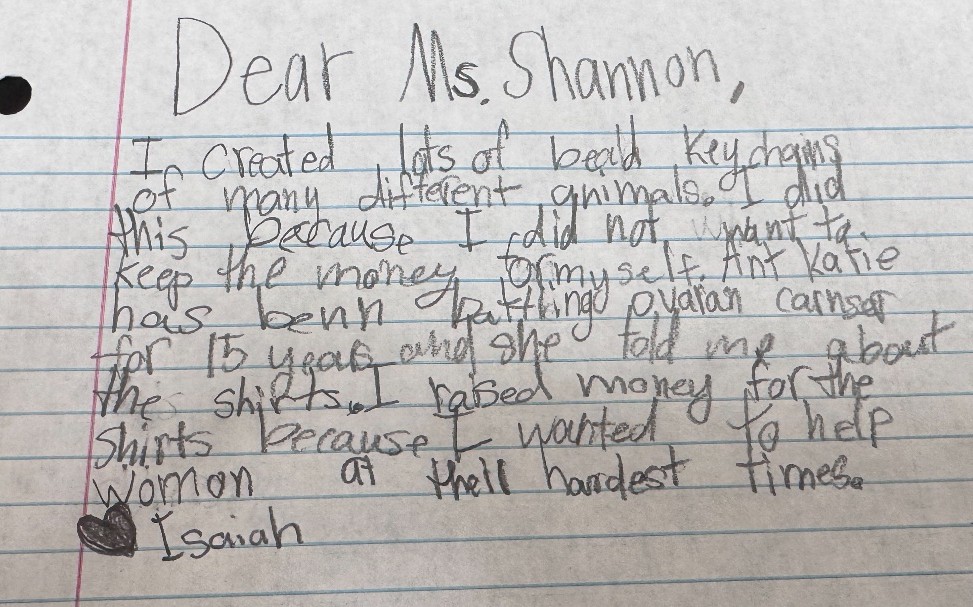
How it will end. I think about this a lot. 

Not sure. Maybe processing the whole thing. I don’t think I ever fully processed having cancer. I just went with the flow and did/do what I needed to do to survive another day.  

I try not to think about it.  I’m so grateful to still be here with my family. ♡ 

My experience with this roller coaster ride that I was on, trying to explain all the emotions that were and are still going on.  

Absolutely.  People who have not been through cancer cannot fathom the effect it has. Some people think I’m silly for not eating certain things, but I know that there’s a purpose in supporting my body in what it needs.  I still have many chapters left to discover for myself!  

Sometimes I struggle to find the words to explain the worry of having a recurrence. 

I’m pretty much an open book. 

Yes. I have evolved over the past years. I now know that speaking out, telling my story, and realizing that every ache and pain, every search for a doctor to help me, is related to my ovarian cancer. Having them listen while I relay my concerns gets old after a while, but I am motivated to live what time I have as best I can with quality. 

I still have a difficult time sharing the fear and anger I experienced.  When the bombshell of the diagnosis ripped my life apart, I struggled to get a handle on it… to move forward.   I refused to tell people and did not want anyone outside of my inner circle to know I was sick.  I was afraid to die and miss out on my children’s weddings and grandchildren… my future. It took a long time for me to regain my footing, deal with the cancer, and live my life.    

I’m still learning how to tell the part of my story about surviving when so many women I met along the way didn’t. Survivor’s guilt is real, and for a long time, it kept me quiet. But I know my voice matters, not just to warn others and push for earlier detection, but to help drive research so that my daughter and granddaughter will never have to face this disease. 

I will continue to write my story every day. I stopped working last year. So far, that has been the hardest part for me. I am still trying to figure out what my new normal is. 

It is still challenging for me to allow people who don’t know me well to know how serious ovarian cancer is.  I tend to want to minimize my experience, and at the same time, I know how frightening it is. 

I am only about 5 months out from my diagnosis. I am still learning that I am a survivor, even though I am still in chemotherapy and learning about my genetic link (BRCA2 gene).  


“What does survivorship mean to you today?” 

Advocacy  

It means I can still fight.  It means I can help others who are on the same journey. It means I can still live a life even though it wasn’t the one I planned on. 

They say you are a survivor from the day you are diagnosed. 

I am thankful for the people who helped me through this journey. 

I am 75 years old, and life has been good.  Something good comes out of every journey, no matter how difficult it may be.  Maybe in some way, I can be a light to others who may be facing the same journey 

Taking a second chance and running with it. 

Family, my husband, my children, my grandchildren… watching them grow and thrive!!! 

Being able to do the hard things. It’s hard to even say that I’m a survivor because you live this every day. You fear the slightest feeling of how you felt before. But it also means love. It means that I have amazing people around me.  

Another chance. A chance to be a better person. A chance to be more compassionate.  

Living my life, but resting when needed 

Another chance at life. Being alive. Being able to spend more time with family! 

Being a survivor to me means not dying from my illness. Living longer than what the statistics say.  

Everything.  EVERY.  THING.  How do I even begin to put that into words?   

That I can keep on living even if the cancer is just kept at bay. It means thriving despite it being there. 

I know that it means something different for everyone, but my experience is that even though I am cancer-free, my new chapter or new journey is just starting, trying to get back to “normal” after cancer.  

Being able to see my grandchildren grow.  Being here to support all my children in their lives as they reach adulthood and beyond. 

I should appreciate living every day. I am still here 

Living each day to the fullest, loving people, and trusting God. 

I am NED and thriving and FINALLY enjoying my retirement after 33 years in education. 

Living my best life and being the healthiest version of me that I have the willpower to be. 

I did it, I survived. It is like being tossed in the ocean, not knowing how to swim, and landing up on the beach by the grace of God. 

Survivorship means spreading awareness of the signs and symptoms of ovarian cancer.  It means being a voice for all the women who no longer have a voice.  It means being available and present for other ovarian cancer survivors who may need support or just someone to listen… who understands.   

Survivorship to me means more than just living; it’s living fully, with purpose and gratitude. Facing cancer hasn’t diminished my life; it’s enhanced it in ways you can’t understand unless you’ve walked this closely with mortality. The truth is, something is always trying to take us out; the only difference is, medically, I know what’s trying to kill me right now. You don’t have to be afraid of cancer. It’s not always a death sentence, and it doesn’t have to steal your joy or your purpose. 

Survivorship means living and doing as much as I can. 

Gratitude!  Even though I don’t have much family, I’ve never been without the support I needed.  

Survivorship is not giving up, not letting hardships control your life or define you.  Survivorship is fighting the battle until the end, no matter the outcome.  Survivorship is showing your best in the worst times. Survivorship is having a scar in your body, losing your hair, doing chemo, dealing with side effects, etc. Survivorship is dealing with uncertainty and the unknown.  


Read more of our September Blog Series!

Uncategorized

For the second week of our September survivor blog series, we continue sharing voices that remind us of the power of lived experience. Survivors responded to thoughtful questions about their journeys—what they’ve faced, what they’ve learned, and how they’ve been supported along the way.

This week’s reflections reveal both the difficult and the hopeful moments, painting a fuller picture of what survivorship can look like and how community care makes a difference.

In our first post, survivors began sharing how they recognized the earliest signs that something wasn’t right. Their words carried weight and honesty. This week, we continue that conversation, highlighting more perspectives so each story has room to be heard.

How has your life changed since your diagnosis—physically, emotionally, or spiritually? 


“I try not to take the days for granted or the years. I’ve known so many women who have gone too soon from this. 
 
“I am physically exhausted as I’ve been in some form of treatment for nearly 4 years.  I get Taxol and Avastin every other week now, after having had it three weeks on and one off for the first 5 months. I was once an active person, and now I can’t do the things I used to. Emotionally – It’s up and down.  Been a roller coaster ride.  After each scan or blood test, I am either relieved or concerned.  Spiritually, I try to remain focused on hope.” 
 
“Well, I’ve had major surgery!” 
 
“I am a 38-year survivor of IIIc ovarian cancer. For the past 26 years, my mission has been to give HOPE to others going through what I have experienced. I had 2 big surgeries and 2 1/2 years of chemotherapy. I was 41 years old at diagnosis, and I am now 80, and I feel great 😊.” 
 
“I was already a spiritual person.  I think what changed with me was emotionally.  I don’t dwell on the small things and just accept people as they are.   Everyone has a different perspective on life.  We have to respect others’ outlook, though it may be different from ours.  
I have not changed much physically.   
Lost my hair, but have not lost weight or appetite.” 
 
“Took on a carpe diem attitude, because we never know.” 
 
“I suffered through anxiety, depression, and gambling addiction. I spent money I didn’t have because I thought I was given a terminal diagnosis. I felt lonely even with support all around me. The journey was painful and difficult, but I “hoped” I could be that one who would get through it. I did a clinical trial that was deemed a failure, but it worked for me. I’m still paying the debt I accumulated while heading down a dark hole. My hope is that people will come to know it’s not a life sentence!!! You can survive this beast!!!” 
 
“I’m more emotionally and physically aware. I feel things strongly and deeply. I listen to my body. I will sit my behind down and rest if my body tells me to.” 
 
“Spiritually, my life changed for the better. The day I received the diagnosis, I sat in my car and prayed, “Dear Lord, if this is the journey you want me to take, I will, but I need you to carry me.” I suddenly was covered in peace and never cried about it again. Emotionally, I have learned to let those I love know that I love them. Before the words, I love you,” I mostly spoke to my family. Now, I tell everyone, “I love you.” On the other side of the coin, I panic with every little cramp or twinge in my abdomen. I think, “Is the beast back?” 
Physically – The change in my body physically has been difficult (of course, I am now 60). I was always an athlete. Now, I do well to walk around my yard. I tire out more easily. I have to rest more. I just do not have the same energy that I had before cancer.” 
 
“It has decreased my stamina and balance. I’m no longer work-driven and retired early. I am thankful for every day I’ve got. Traveling more, enjoying life/kids/family more” 
 
“I’ve always had self-esteem issues, and now I think it’s worse. I’ve got a bald head (thankfully, now my hair is slowly coming back in), and scars on my stomach from 2 surgeries I had to have. I was ok with my body before, but now it’s marked up and not easy to hide. I see a lot of ladies embracing a bald head, but that’s not me. I still wear a hat when going outside in public. I had a meltdown when I told my husband I wanted him to shave my head. I absolutely HATE change, and this was an extreme change for me, and everything happened so fast. Trying to grow closer to God, but it’s hard. Never had a good relationship to start with. I always say Why me. Life was good, and then you want to go and throw this huge curveball at us. We made it, but it wasn’t easy. There are still days when I cry. Whether it’s from being tired or having no energy to do anything. It’s still hard even after treatment. Nothing will ever be “normal” again, and it hurts. I don’t think I grieved my old self. If anything, I want my old self back, but I know it’ll never come. I have to adjust to a new normal, and I haven’t figured that out yet. Day-to-day life after treatment, even during treatment, is just that…day to day. You survive daily, focusing on one day at a time.” 
 
“I’m more tired and miss the energy I used to have. My faith has grown, and my relationship with God is stronger. I know He is my strength and healer. But I’m still emotionally shaky sometimes. I have good days and bad days with too much thinking, projecting, and worrying.” 
 
“Of course!  Physically, I try to pay more attention to my body.  Emotionally?  I am much more emotional.  Spiritually?  God was there and still is.  I felt him in a very tangible way a few times.” 
 
“I get quite emotional. I never know when I might start crying. I am scared a lot. It is harder to walk. I get muscle spasms with pain and shortness of breath. My ribs and abdomen hurt at times. I pray more often. I ask God to heal me, and I don’t understand why I still have cancer. It is a rollercoaster of emotions. I am still trying to hold on. I can’t drive currently or do things I used to physically do anymore.” 
 
“Realizing that you are here on this planet for only a short period of time and do not take any of that time for granted, because it can be over in a second.” 
 
“I am much more aware of the need for healthy eating, daily exercise, the impact of environmental toxins, etc. Our bodies were designed to heal, and if we give them the right tools, healing is possible.   Emotionally, I think I am much stronger.  I can handle a lot when needed.  Spiritually, I think I am much more aware of God in my day-to-day life and His concern for all the details.” 
 
“I realize that I was very lucky. I could have been diagnosed at a later stage. Thank god for that. Physically, the chemo and other meds have aged me a bit. Slowed me down some. But I am doing fine.” 
 
“My mindset is different about life. Don’t take it for granted. Enjoy life. I feel I have gotten closer to God through this journey.” 
 
“I was VERY uncharacteristically emotional after my diagnosis and debulking surgery for several months.  My sister, who is a psychologist, recommended I talk to someone.  I went to a local OC support group and found MY people.  I have become an advocate and educator regarding ovarian cancer.  I also work with the Turban Project to sew headwear for newly diagnosed ladies of all of the gynecological cancers to go in bags of hope (containing educational materials, support opportunities, and goodies for treatment).” 
 
“Physically, I am more health-focused. I was before, too, but am more so now. I eat better, more focused on protein, less sugar, less processed foods, less pesticides, and herbicides. Emotionally, I am more thankful, and I prioritize time with family and friends and doing things I enjoy. I’ve cut back at work. I want to make many memories, and I realize how short life can be. Spiritually, I am strengthened. I felt God carrying me through this difficult journey, and I trust He will give strength for all the difficult things in life.” 
 
“At 70, almost 71, I am still fighting the much-ignored symptoms of a complete hysterectomy. Never sleeping through the night, low libido,  changes in eyesight, heart palpitations; I could go on and on. Emotional changes and still a feeling of youth lost. You can be grateful to be alive, but the symptoms sometimes bring you to your knees. People want you to be grateful to be alive; they don’t understand the mental and physical changes cancer brings.” 
 
“Physically, I am still dealing with the effects of the hysterectomy and the sudden hormonal changes. I have lingering neuropathy in my hands.  I had a quadruple bypass four years after completing treatment due to premature clogging of my arteries… a rare side effect of chemo.  I exercise, but I am slower and not as strong.  Emotionally, even seven years post-diagnosis, the possibility of recurrence haunts me.” 
 
“Since my diagnosis, life has changed in every way. Physically, I’ve had to face my limits and listen to my body. Emotionally, I’ve learned to release what doesn’t matter and hold tight to what does. Spiritually, my faith has deepened. I trust God more fully now, knowing He’s been faithful through every battle and every breath.” 
 
“Physically, I am not the person I was. Thirteen surgeries and 10 years of constant treatment take a toll. Emotionally, I have learned a lot. No is a complete sentence. Peace and joy are priceless. I have always been a very spiritual person. I have more conversations with God now, versus only praying to God.” 
 
“It’s hard to say…   I had several years NED where there was minimal impact.  However, I’ve been in constant treatment for the past 18 months, and I’ll admit it’s tiring at times.” 
 
“Spiritually, I learned to depend on the Lord to make it through each day, as I am unable to walk through my cancer journey without His help.  Before my diagnosis, I tended to depend on my own abilities and not as much on the Lord.” 
 
“Ufff!  It is life-changing….feeling the uncertainty of what will happen. Having to be dependent on others is difficult for me, but I have learned to go with the flow. I enjoy my life, and having some physical limitations (like tiredness, fatigue, pain, etc) can be challenging. I try to keep a positive attitude and be active (within the things I can do now), doing everyday normal tasks, but even though I try to keep strong, fear tries to play tricks, and I cannot let it take over. Spiritually, it has increased my faith; God’s will is perfect, and I have no control over this. I do my best not to question God and just let Him work on the purpose of my journey.” 


What helped you get through your hardest days? 

“Community” 

“Sleep, breathing, and talking to my friend.” 

“One step at a time. One chore at a time, walk as much as I can.” 

“Taking it a day at a time. Having long-term and short-term goals. The short-term goal was counting down to the treatments. My long-term goal was to get my younger son through school. If I couldn’t get him to do his homework, I would do it, so I wouldn’t worry. He was finishing 3rd grade when I was diagnosed. He is now 47 and a very successful businessman. So grateful I have lived to see this.” 

“Knowing that whatever happens, I will be okay.  Life does not end when we leave this earth. We just changed location.” 

“Being there for my five kids, who were nineteen through ten at the time, and had no idea I was going through anything.” 

“I tried to take my worries and give them over to God.” 

“The people around me and my daughters. Even when my peers were scared for me, too – they never showed it to me. They were very encouraging and positive. They helped where I needed it. They took care of my daughters for me when I was in the hospital. I learned that while yes, I can do things alone, I don’t have to.” 

“PRAYER & FAITH IN GOD. At a couple of my chemo treatments, I could actually feel people praying for me. It was very humbling. And through every treatment and procedure, I was at peace.” 

“Sleep, antidepressants, good talks with friends, journaling, art” 

“My husband. During treatment, he would tell me ‘thank you’ every night before bed. Thank you for giving him another day. Thank you for fighting. He still tells me he’s proud of me when I accomplish things (same things I used to do before cancer, just now they take longer to do). He’s my rock.” 

“Reaching out to my church family and reading my Bible.” 

“Focusing inward, prayer, crying, talking to anyone who would listen, and my husband, who held me tight and let me sob.” 

“Pain medicine. Crying. Talking to a friend. Distraction by getting outside in nature. Prayer. Sleep.” 

“Knowing that what was happening to me, meaning side effects from chemo, etc., was temporary and was going to make me better. Some days it was harder to believe than others.” 

“My youngest 3 daughters (I have 5!) were 12, 11, and 5 when I was diagnosed.  I knew that I needed to live for their sakes.  The older two are now in nursing school, and my youngest is 12, and we’re doing great!  Also, my 2 boys who had their own families – the joy of grandchildren is a great healer!” 

“Talking about the cancer. Family and friends.” 

“My faith and family.” 

“Friends, family, and teal sisters visiting and texting and video calling.” 

“My faith, and also my family. My nieces and nephews were a great distraction.” 

“I am a strong cookie. Being part of the OCRA, volunteer work,  getting the word out, and speaking up have helped me to realize that I am not alone and I must share what I have learned. I am a dinosaur in the ovarian world.” 

“My husband, my kids, rest, prayer, and Kraft macaroni and cheese!” 

“What got me through my hardest days was leaning on God’s promises, my husband’s steady love, and the prayers of friends and family. Even when I felt weak, their strength and faith reminded me I wasn’t fighting alone.” 

“My husband has been my rock, never leaving my side. We laugh, cry, and continue to enjoy life together. With chemo, knowing when I was to finish treatment helped. I can do anything for a limited amount of time when I know when the end is.” 

“Faith is at the bedrock of my existence.  I’m tremendously grateful for my foundation in faith.” 

“Notes of encouragement or prayers written out in the comments of my posts on CaringBridge and Facebook. Also, becoming part of the Ovarian Cancer Christian Fellowship group and reading the Daily “Feels” and News posts.” 

“Believing in God and family support. Also keeping up with a positive mental attitude – “One day at a time”. “Things will get better”. “If I have overcome previous situations and God has helped me through it, it can happen again”. 

Read Last Week’s Blog Post

Uncategorized

This September, we’re highlighting survivor voices through a special blog series. Through shared questions, survivors opened up about what led to their diagnosis and what survivorship looks like for them today. Some responses reflect on the first signs and symptoms that signaled something was wrong, while others focus on life after cancer—the challenges, the growth, and the hope that carries them forward.

Each week, we’ll feature a selection of these answers, offering an honest glimpse into the journey of survivorship and the strength found in community.

We started by asking survivors how they first knew something wasn’t right, and their responses were powerful. To give each voice space, we’ve divided this question into four parts and will share different answers each week.

What’s one thing you wish more people understood about your gynecologic cancer?

“Age doesn’t matter, family history doesn’t matter.”

“It is not curable. It is an ongoing battle. That even if you look well, treatment will take a toll physically, and I live with the knowledge that any day, at any time, treatment may stop working.”

“How subtle the symptoms are.”

“Look at your family history. If you think you might have inherited your cancer from your mother or your father’s side of the family, get genetic testing. If you test positive, then tell all your relatives on that side of the family to get tested. If they test positive, then they are at high risk. They can then get screened to catch cancer early. Women can get their tubes and ovaries removed to avoid ovarian cancer.”
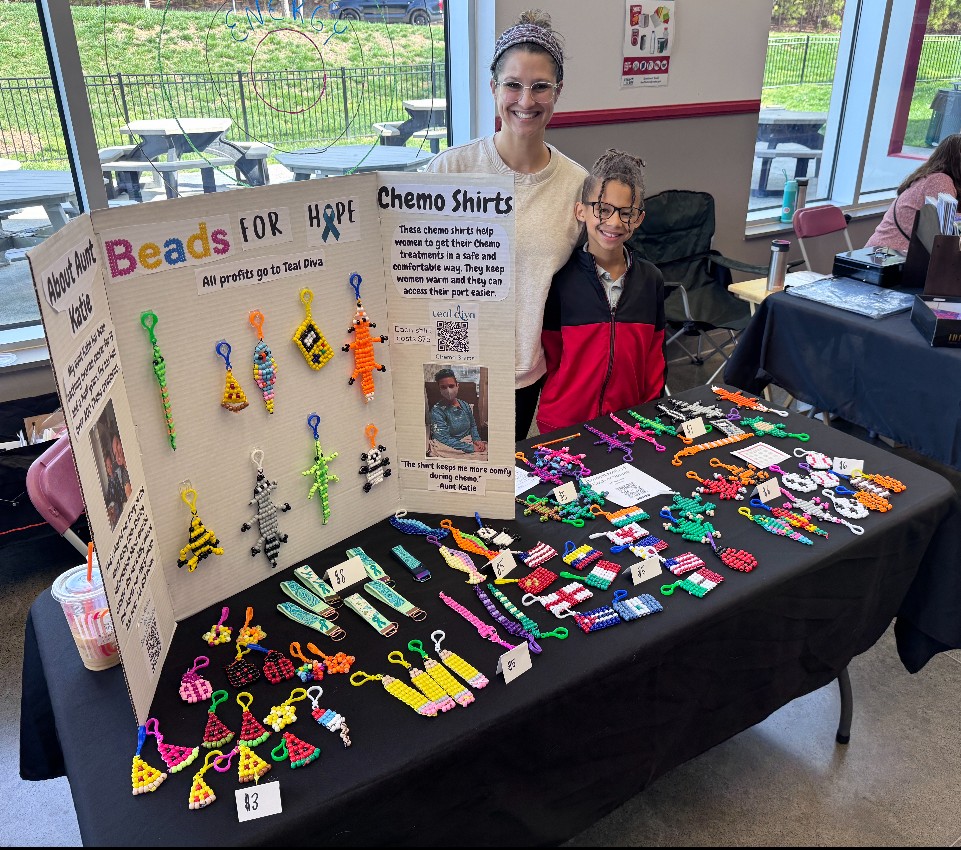
“I faithfully have a gynecological check-up. I did not realize that ovarian cancer is not detected through Pap smears. Also, CA125 is not a clear indicator of ovarian cancer. My CA125 was 19. Which is within the normal limit, which is anything under 35”

“A cancer diagnosis doesn’t necessarily mean chemo and radiation; it possibly is contained and will hopefully all be removed. It may possibly pop back up if not. I was told that if I had waited any longer, it would have been a worse situation. I was lucky.”

“There is HOPE!!!”

“It’s not always “obvious.” The symptoms associated with it are pretty routine with women, and we are taught as women to “take it.” We brush off a lot of symptoms when we should be paying attention.”

“I wish that more people understood that losing your female organs affects how you see yourself as a woman. I struggled with the thought that I am not a complete woman now. Losing my female organs and my hair was very emotional. I think that was the worst part.”

“You can inherit mutations from either parent, not just the mother.”

“That it’s cancer. Yes, every cancer has a different name- breast, ovarian, lung, etc. That doesn’t make it any different, just because it’s in a different area of your body. I hear a lot, “it’s the good cancer”. No cancer is good PERIOD. People need to understand, cancer is cancer. It’s serious and should be treated as such.”

“There is NO test to detect ovarian cancer. Women need to know AND understand the signs and symptoms. Better education!”

“If something doesn’t feel right in your body, go get checked.”

“That I am scared. It is important for people to think before they speak to me. They need to be sensitive to how what they say might affect me.”

“Wish that there were better ways to diagnose gynecologic cancer because when I was diagnosed, I was Stage 3 already.”

“Symptoms can be nonexistent or extremely vague. Accurately diagnosing these cancers is often really dependent on a physician listening to a patient and being a keen investigator, and knowing the current standard of care.”

“The symptoms are very subtle and easy to overlook or justify.”

“Doctors need to recognize the symptoms, however vague. Listen carefully to what your patient is saying.”

“How sneaky they are. It is so hard to diagnose because they present with common symptoms and tend to get ignored.”

“Ovarian cancer does NOT have an accurate screener to detect early development.”

“I think some people mistakenly think that they somehow did something wrong to get cancer, but this is not really true. Sure, our health habits have consequences, but God is not deciding to give some people cancer because they did something bad and deserve it. The rain falls on the just and unjust, and He carries us through all the things that we go through in this life.”

“You MUST be your own advocate. You MUST listen to your body. And after you survive, you MUST seek medical attention for the rest of your life to combat the symptoms of living without estrogen. Quality can return to your life, but only if you realize how the depletion of estrogen will affect you.”

“I wish more people understood that the physical and mental ramifications of being diagnosed and treated for my cancer did not end the day that I was told I was NED.”

“I wish more people understood that gynecologic cancers don’t always scream for attention; they whisper. You have to know your body, trust your instincts, and push for answers, because early detection can make all the difference.”

“It is possible to live a full life with chronic, metastatic disease. I may not be able to do everything that I used to, but everything I do is with a joyful and grateful heart.”

“There are a variety of types, and a PAP test only detects cervical cancer.”

“The way the symptoms can be passed off as “normal” even by the patient. In my case, I passed off occasional sharp pelvic pain as normal cramping. I didn’t mention it to my husband or a doctor until the pain continued for almost 15 hours.”

“Unfortunately, this cancer does not show many symptoms until later stages, and it is not diagnosed with a PapSmear, and symptoms can go unnoticed. There is no routine exam for ovarian cancer.”


Describe the moment you felt most supported during your cancer journey?

“My parents came to all my Chemotherapy treatments.”

“When 3 of my friends were diagnosed with different cancers within a couple of months of me. They provided so much emotional support. One is clear, one is in remission, and one is still fighting like I am. She and I talk every couple of weeks and share so much information and support one another consistently.”

“I have a great medical team. They are always available.”

“My husband, mother, and brother helped give me courage from the very beginning.”

“My gynecologist immediately started tests in his office. He referred me to a Gyno/Oncologist and called her while I was in his office during that initial visit. There was no delay in getting the care I needed. Also have a strong support system through my family, church, and friends. I definitely am not in this journey alone.”

“I went through this in 2009-2010, but when Teal Diva had their first 5k in Mooresville in May 2014, I suddenly discovered support that I didn’t know existed.”

“I joined a support group for Ovarian Cancer patients, and the support was amazing!!!”

“My employer never made me feel like I’d lose my job because of all the hospital stays and surgeries. My job also understood my need to work and not be out of work for too long because I needed to keep my mind busy with something other than my illness.”

“Once my hair started coming out, I had a dear friend who is a hairstylist buzz my head. When I made the appointment, my three daughters secretly planned a Hat & Cap shower for me. They invited all of my dear friends, had food, cake, and punch (like a baby/bridal shower), and the guests all brought different types of hats, caps, and cancer head covers. The invitations said, “Let’s support Kimberly in her cancer fight and help her maintain her Diva style!” I had bunches of head covers. It was actually fun. I tried on each hat I received and took a picture with the friend who gave it to me. We ate, laughed, cried, and prayed together. I knew at that moment that I had an awesome tribe supporting me in my battle.”

“When my family came to appointments and infusions.”

“My husband has never left my side during this whole journey. He even goes to my follow-ups for maintenance now. He took off work every treatment for a week to take care of me. He’s got a great job. His whole work was constantly checking in and praying for me. I had a lot of people on my side praying for me, and I don’t think I realized that.”

“The first is when I met my surgeon. He took his time explaining my tests and the type of surgery he would perform. He answered all my questions. The second is when I joined the NOCC Facebook group!”

“That’s a hard question. I had tremendous support from my family and my medical team.”

“Being around other women with ovarian cancer is helpful. They understand. Also, I have felt love from friends who have left notes or gift cards for food, check on me, and pray for me. When people tell me that they are there for me..When my husband or children go with me to doctor’s appointments or chemo, I feel supported. When people help with physical things such as yardwork or house cleaning, it has been amazing support.”

“The entire process, my family and very close family friends were making sure that they were here for me and supporting me through this journey.”

“My oldest daughter and her fiancé stayed with me at the ER until 2 am, when they finally brought me to a room. My 2nd daughter and her husband worked with the Red Cross to get him emergency leave from the army to come and be with me after my surgery. My mom, who had her own health problems, sat with me in the hospital throughout my recovery.”

“When I realized I had a good team of doctors treating me.”

“From the very beginning.”

“My husband and son have been troopers and took excellent care of me while working 40+ hour a week jobs.”

“It was not one moment, but all the moments. Friends & co-workers sent cards and flowers, many people said prayers, and I received many supportive messages on Facebook. Even my doctor sent me a very nice card.”

“I never felt supported until I read ‘It’s Always Something, by Gilda Radner.’ Gilda had passed away from Ovarian cancer just before my diagnosis. If not for her, I probably would not be here today, 35 years later.”

“I felt the most connected and supported during the OBX Teal Diva Retreat. I am blessed with a wonderful, supportive husband, family, and close friends who have been by my side through my cancer journey. However, the retreat was the first time that I was able to connect with folks who really understood what I was experiencing.”

“The moment I felt most supported was seeing my husband’s unwavering patience and love, even while I knew he was carrying his own fears. He stayed steady, strong, and present, holding me up on the hard days, making me laugh when I wanted to cry, and showing me through his actions that we were in this fight together.”

“Finding the right support groups and becoming active as an advocate for ovarian cancer has given me hope and strength. I am thankful for the support of women who understand what I go through and blessed to do the same for other women.”

“As difficult as it was to tell people, without exception, I felt tremendous support. So grateful to friends, family, and my church who have consistently stepped up to be there for me.”

“When I saw how many people were praying for me and left notes of encouragement either on my CaringBridge page or my Facebook page, including people that I had not seen in person since our high school graduation.”

“I am so blessed and have to be grateful for all around me, family/friends/brothers, and sisters in Christ, because I have been supported since day one. My family has been by my side every step on this journey, caring for me and helping with everything (even with a personal chauffeur lol, my mom, because she does not want me driving during chemo!). I have an army praying for me, I had people bringing meals/cooking for me, showered with messages/calls, visits, gifts (items to use during this journey), etc.”

We’re grateful to every survivor who opened up with us; your voices bring strength to our community. We’ll continue sharing more survivor voices in next week’s post. Be sure to check back and follow along as this series unfolds throughout September.

Uncategorized

I was an exercise enthusiast my whole life. Taught group fitness since my Sophomore year of college. I majored in Health Education and was supposed to be a teacher, but that didn’t work out. I continued to teach group fitness classes for years.  

After having 4 children, I had a small bump outside of my right vulva for years. My ob-gyn said it was just a fatty mass and nothing to be worried about.  

In the spring of 2018, I was having work done on my varicose veins and asked the nurse to scan my lump- at first she said no, but I asked again.  Since I was on valium that day due to vein surgery, there wasn’t anything to do.  The following week, at my post-surgery vein check-up, I asked the nurse to scan me again because out of the blue, that small lump had grown.  She scanned me and said nothing. She contacted the vein surgeon and told me the office would contact me about a scan I would need.  

I was sent for a CT scan 2 days later, and 20 minutes after my scan, they called and said I have a 9.5 x 11 cm mass on my ovaries, and I was being referred to Levine’s Cancer Center to see Dr. Miller. The nurse had found my mass but couldn’t say anything to me- she was a lifesaver!! 

Within 4 weeks, I was scheduled for surgery. 4.5 hours after surgery, I awoke to my dad coming to my bedside to let me know I had ovarian cancer.  I picked up the bed sheets and looked at my belly, which was taped from the top of my vagina up past my belly button.  My mass had grown to the size of a cantaloupe! I had the mass removed along with a full hysterectomy, left lymph nodes, appendix, and all the fatty tissue underneath my lungs. I had life-saving surgery.  

It took me about 2 weeks to walk up and down the steps and walk down the street. Being so active previously, I knew it was important to get my body moving. 

Within six weeks, I was back on my yoga mat and at the gym, although I took things very slowly.   

Every day I look at my scar and remind myself how far I have come, how strong I am, and how I can continue to share my story.  
I start my day at 5 am, and by 6, I am working out at Burn Boot Camp.  Even though I work a full-time job, I make it to my yoga mat most days at 4:30 pm. Affirmation journaling was also a big part of my recovery journey.   

I am thankful every day I have, Lynn


No matter where you are on your wellness journey—just getting started or already in full stride—now is the perfect time to take that next step. It could be as simple as a stroll around the block or as ambitious as logging daily miles with purpose.

We invite you to be part of Mile for Her, our September virtual challenge. Walk, run, or roll at your own pace while helping raise awareness for women like Mai Linh, who continue to fight every day.

Every mile matters. Every step makes a difference. Start your Mile for Her today.

Sign Up Here

Uncategorized

By : Mai Linh Nguyen Achong  

Let’s take a glance back to the year 2008. I was 26 years old, working full-time as the Assistant Sales Manager of a well-known national gym. I took nutrition and fitness seriously, not just because it was my job, but also creating a lifestyle to include daily weight training, cardiovascular training, hydration, and nutrition. My workdays seemed longer since the hours I wasn’t on the clock, I was still in the gym, exercising. I was still trying to prove myself in the world. Having graduated from college in 2004 with a degree in music, I moved to New York City to live my dreams as a Broadway performer. I quickly realized that everyone in the city was so talented. Whether a singer, dancer, actor, model, or artist, many came with big hopes and bright eyes to land “the gig” to propel them into stardom. The winters were too cold for this Florida girl, and I was homesick. I put away my NYC dreams and worked hard to look better, feel better, and earn a full-time income while still taking on smaller singing and modeling jobs. I was passionate about fitness and wanted to help others in their health goals.  

As in any sales job, the hours were long, and my stress was to the max trying to meet my sales quota, while also managing the sales team. Where I once found joy in the gym, it started to feel less exciting, the magic had faded, and I felt the weight of the team and its members on my shoulders. I started to question myself: Would I earn my bonus this month? Will it be enough to support me? Will I still have personal growth? Is this what I wanted? Will I make my parents happy? Am I using my college education at all? Am I enough?   

I went out of town to visit my boyfriend at the time for the 4th of July week. That Summer, he was working in New Jersey, very close to New York City. I was excited to be just a short train ride away from a city I loved, missed, and to be able to visit my friends again. Unfortunately, I did not get to do what I planned. That evening, I had excruciating pelvic and abdominal pain. It was a sharp, stabbing pain, radiating up from the tips of my shoulders and down to my rectum. It was debilitating; I was curled in a ball, writhing in agony, waiting for the moment when the pain would ease up. This reminded me of a time four years prior, when I had similar episodes for an hour or two at a time, but the ovarian “cyst” was never followed up on. This time, it did not let up. I was miserable and couldn’t stand up straight, barely able to walk, feeling like I had the flu, with no temperature, and in so much pain. I never made it on the train to go to New York City.   

It was a holiday weekend, and I couldn’t get in touch with a doctor, so I decided to go to the local pharmacy. (In hindsight, I should have gone to the ER.) I thought maybe the pharmacist could give me some medical advice. I explained my pain and symptoms, which were thought to be bowel upset and a possible urinary tract infection. She advised me to buy Pepto Bismol and, for good measure, to start taking AZO with a low dose of antibiotics that can be purchased over the counter until I could get back home and see my doctor. Neither of these medications helped ease my pain, nor help with any of the overall sickness I felt consumed with. By Monday, I was able to schedule an appointment with my primary care physician one week away and another appointment with my OB/gynecologist for two weeks out. During that one week’s stay, I managed to merely crawl to the pool once, and by the time I was ready to fly back home, I was strong enough to walk again.  

My primary care physician ordered an ultrasound to be performed in the office. The report stated that they had difficulty visualizing my left ovary. He sent me for a CT scan with appropriate timing for my gynecologist to review the results with me. There was a mass on my left ovary, the size of a softball. She was able to help me get in for a transvaginal ultrasound to be reviewed by her trusted radiologist. I’ll never forget when the radiologist came into the exam room following my ultrasound with the technician, and saying, “Let me put it to you this way: if you were my wife, daughter, sister, or mother, I would not let you leave the hospital today without having this mass removed”. I understood the severity of his statement and that it could possibly be cancer, but it really hit me just a couple of days later, when my new gynecologic oncologist told me that if I did not have clear margins, he might have to perform a total hysterectomy.  

On September 26, 2008, I was diagnosed with Ovarian Cancer, a rare subtype called Granulosa Cell Tumor. It was contained just to my left ovary, which was removed with my fallopian tube. Due to the early stage and otherwise clear margins, my gynecologic oncologist performed a fertility-sparing surgery. That meant I still had the possibility of conceiving a child.  

Recovery was much more painful than I anticipated, especially in the first two weeks. I stayed with my parents for the first month, where they loved and cared for me, making sure I was able to eat and helping me with my J-drain site, which was very irritated. It felt wonderful to be with my parents and able to completely relax and heal. Soon, I moved back to my apartment and, having an unpaid leave of absence, I was eager to get back to work to earn money and get back into my workout routine. I thought I would bounce right back into shape. I remember the first day I came back to work out. I had lost my stamina and strength. I tried to kick the boxing heavy bag that was waist high, and felt so much pressure in my pelvis and abdomen. I tried kicking lower and still felt so much pressure. I was surprised and frustrated, and wondered if I would ever be strong again.  

I realized I really needed to ease into it, almost like starting over with less intense exercise, such as walking on the treadmill, using the elliptical machine, and light weight training. I had to tune into my body and listen for the cues, to understand what my new limits were and to take my time. Each day, I got a little stronger, and each week even more so. That allowed me to start jogging, then running, getting back into jumping, calisthenics, isometrics, and finally able to do abdominal exercises too.  

Soon, though, I felt immensely tired. I hadn’t started menstruating again following my surgery, but I figured that it was due to hormonal changes after losing one ovary. On December 3, 2008, I took a pregnancy test, and it revealed I was pregnant. There was a wave of emotions ranging from surprise and wonder that I was able to conceive, to fear, even anger, and everything in between, to joy. I was monitored closely during my pregnancy because I was considered high risk due to my recent cancer diagnosis. I had ultrasounds monthly and visits with my OB/gynecologist as well as my gynecologic oncologist. I carried to full term and gave natural birth to a healthy, beautiful, miracle baby girl – my daughter.  

I’d like to say my journey of cancer ended with this one time I was diagnosed. However, I was just writing my next chapter of life after cancer with my daughter, and then living with a chronic illness. I had my first recurrence in June of 2013. The year prior, my tumor marker, Inhibin B, was increasing out of normal range for a woman who is still pre-menopausal. My gynecologic oncologist moved to another hospital, I had an interim doctor who started monitoring me much more closely with labs, and then I was assigned to my third gynecologic oncologist. She did order scans and repeat labs, but just as I started having symptoms of fatigue, abdominal, pelvic, and back pain, I lost follow-up care for 6 months. By the time I ended up in surgery, my ovarian cancer had metastasized to several areas, and the largest tumor on the right side of my liver ruptured, spilling cancer cells into my abdominal cavity. I met my fourth oncologist while I was still a patient at the hospital. I was heartbroken and felt betrayed by not just my prior oncologist, but also by my own body. How could this body of mine wreak so much havoc? Why was it against me?  

A few weeks post-operative, I had my first follow-up appointment and learned that pathology results from all my tumor samples confirmed this was recurrent disease and that I would have a chest port placed and begin chemotherapy. It was a strong cocktail of three drugs for 5 days straight in the first week, two weeks recovering, and repeating this for 6 cycles. I would have an additional surgery to remove the remaining disease that was left behind, a complete hysterectomy, and then another 3 cycles of a different combination of chemotherapy. This plan was to remove all visual disease and then kill the cancer cells microscopically. I knew my body was about to take a huge beating. 

It was important for me to find a way to feel like I still had some control over my health. I quickly learned how sick and weak chemotherapy would make me feel, starting on the 3rd day of infusion and remaining for 7-10 days following. I tried my best to stay hydrated, although water started to have a metallic taste. I would go on short walks in between naps just to try to keep up with mobility and circulation. By the end of the second week of each cycle, I would start working out again. My oncologist recommended I refrain from being in crowds because my immune system was low, so I started a new routine at home and outside. With a friend, I did a combination of a jog to the park one mile away, calisthenics, isometrics, and using the walls and stairs around the playground for strengthening moves like wall dips, pushups, step-ups, wall jumps, etc., and then a mile jog back home. I also had light dumbbells at home for additional exercises to retain muscle mass and did a series of abdominal exercises as well. I wanted to get as strong as possible before my scheduled surgery that Fall.   

I think our bodies are so strong and train us to forget pain. That next surgery was a tough one and it took over 9 hours for my oncologist to remove all traces of the disease. Along with the cytoreductive surgery, I had a hysterectomy, cholecystectomy, and omentectomy, and recovery was in the ICU for my first several days before transitioning to a standard inpatient unit. Once I was discharged to go home with my parents, I felt like it was nearly a month before I felt strong enough to walk down the street. It was only for a moment before starting the next chemotherapy sessions. On December 30, 2013, I rang the bell for the end of chemotherapy. Lab work and Scans months following showed I had no evidence of disease-NED.  

I faced the challenge, once again, of starting fitness as if it were brand new. Short walks turned into longer walks, then jogs into running, resistance training into heavier lifting. I continued to listen to my body, which sometimes meant days of lots of resting and napping, until I could emerge from the chemo cloud of fatigue and work again towards muscle and bone mass retention.  

I continued working out at home and in the gym. In 2016, I faced two recurrences, including just a couple of months after marriage, then again in 2017. I underwent surgeries each time, and then more chemotherapy. Since 2017, I cannot say that I have seen remission or heard the words “there’s no evidence of disease”. I had a splenectomy, appendectomy, and more surgeries to remove metastatic cancer. I underwent radiation, multiple combinations of endocrine therapies, and other medications to try to keep the disease stable, only to fall back into surgery time after time. It became a science of surgery, recovery, relearning, and reteaching my body to regain strength, conditioning, and stamina. I always kept in mind that I had to try to achieve my optimal strength in my stretches of good months, just to prepare for a blow.  

In October 2022, I entered the operating room for my tenth surgery to remove a large tumor on my liver, too dangerous to radiate because of its proximity to my heart. We knew it was going to be a big surgery, one that a liver transplant doctor would perform. Surgery went well, but recovery did not. I was home for under a week before I was rushed back to the ER, into emergency surgery to repair a perforated bowel. I started to recover well for a few days, and then started showing signs of infection. A CT scan revealed that my bowel anastomosis failed, spilling into my abdomen. I went septic, they did an abdominal washout, and I had frozen bowel, and they had to sew off the ends of my detached intestines to let me rest. I was in the ICU, intubated with walls of medications to treat sepsis and keep me alive. I had another washout, and they still could not perform surgery. In the ICU, the doctors started to tell me they needed to create a temporary ileostomy, and they would leave my abdomen open to continually medicate me through IVs and treat the sepsis. On November 16, 2022, I had my ileostomy created and wound vac placed. I had one more time in the operating room to change out my type of wound vac. I improved slowly before Thanksgiving; I was transferred to the standard colorectal surgery unit to recover. My abdominal wall could not be surgically closed. In December, I was discharged with a wound vac, lessons on wound care for my large abdominal wound as high as my sternum down to my pubic line and up to 5 inches at its widest point, and an ileostomy. I was readmitted the next week for monitoring of a new enterocutaneous fistula (ECF) I developed on the inactive side of my bowels.  

When I was discharged, I could barely walk outside of my front door without feeling winded. I lost all my muscle mass. I had to be pushed in a wheelchair anytime we left home. My wound emitted so much liquid that my husband had to change my wound dressing 2-3 times daily. I had weekly appointments with my wonderful Wound Ostomy Continence Nurse (W.O.C.N.) to care for my large wound and help me with my ostomy. It took months until I was strong enough to walk into the hospital for appointments, but by February 2023, I could confidently walk throughout the halls of the hospital from one end to the next. I always joke that my dog was the one who bossed me back into shape. He’s an 11-pound chihuahua who scoffs when he wants to go outside, which is very frequently. That made it mandatory for me to get off the couch and into the fresh (hot and humid) air to move my limbs several times a day.  

I was accepted into a clinical trial in June 2023 and couldn’t wait for the day that I would have an ileostomy reversal and abdominal reconstructive repair. Weekly appointments with wound/ostomy care turned into months, and visits with my colorectal team started to seem like my repair and reversal were not happening as soon as I thought it would. By summer 2024, my colorectal team and gynecologic oncologist told me a surgery would be too risky and possibly catastrophic due to scar tissue and the difficulty of cutting in without damaging even more of my bowels.  Additionally, I was removed from the clinical trial when my tumor load increased by over 38%. I was devastated. I wanted my health back, I wanted my body back, I wanted to look and feel normal again, but now, I would never be able to ease my way back into feeling whole. I yearned to find a way to not just exist, but to thrive again. I spent nearly 2 years just trying to survive and heal my wound, believing that it was only temporary. The ugly truth was that the cancer caused physical changes that would never be fixed.  

In October 2024, I asked my doctor for pelvic floor physical therapy. This is something I feared for a long time, but I knew I had to face it to feel like a human being. My PT addressed my overall concerns and helped me create goals: lowered lung volume, diaphragm changes which were concerns because I sing and cannot inhale and adequately support breath control; chronic abdominal, rib, pelvic pain; learning to exercise without injury to extensive ventral hernia from healing by secondary intention, not closure; rebuilding muscle strength and endurance; exercising with an ileostomy; sexual function.  With a combination of breathing techniques, biometric feedback, and mobility exercises, I started to recognize some flexibility and strength. She taught me how to use a set of resistance bands again and how to incorporate breathing to engage, then relax my pelvic floor. She took me into the gym to warm up on a recumbent bike, exercises on the Pilates reformer to strengthen my legs while lying down, and eventually to incorporate the exercise ball. She encouraged me to practice at home, and I slowly felt comfortable enough to start a workout program on my own. I knew this would give me a routine to follow, without the pressure of being seen in public. I really had to listen to my body to recognize this difference between my normal pain from tumors, bowel, or scar tissue, and focusing on what I learned I can do, instead of what I cannot do.   

I started with 5-pound weights, or sometimes no dumbbells at all. I had to give myself a lot of grace. It is not easy for me to transition from lying completely flat on my back to standing back right back up, without straining my abdomen that has no connected midline muscles. I cannot do abdominal exercises like crunches or sit-ups, and must even modify anything in the plank. One thing I’m susceptible to is called a parastomal hernia, because this can affect up to 50% of patients who have a colostomy or ileostomy. I wear an ostomy belt when I exercise to help hold in some of my bulging intestines and support the area around my stoma as well. The program I am following calls for 4 days per week, with an optional 5th day. On my good weeks, I do all 5, but on others, I may do 2 or 3, but I always make sure to continue to move forward to the next workout ahead. I’ve also learned that dehydration is very common in individuals living with an ostomy, and with added exercise, I must increase hydration. I have increased the amount of weight I can lift, have gotten faster at transitions, have even been able to do indoor cycling again (check out https://orlando.ocrafit.ocrahope.org/), stronger at a plank in bear stance instead of straight legged, and have become much more comfortable with creating modifications for exercises that are not safe for me. I even started going to the gym with my daughter.   

I honor naps on many days, just to get through the entire day and still be able to work out and keep up with my daughter’s many extracurricular activities, games, and be present with my family. Some days, when I have more pain than normal, I give myself the chance to rest. Also, when I feel emotionally defeated, I allow myself that space to grieve the person I once was. I am proud of how far I’ve come from the days when life felt so grim in the ICU, too weak to even hold a conversation. I am grateful for God’s grace and the consistent support I’ve had from my family, my church, my friends, and my survivor sisterhood. I will continue to work out to fine-tune my new definition of health, even while living with active ovarian cancer, with my new accessories, to help my mental clarity, release good endorphins, reverse osteoporosis and muscle atrophy, reduce stress and anxiety while finding the new version of me, one step at a time. 


Your wellness is in your hands, right now, no matter if you’re starting at level 0 or at level 10. Ready to take your first step? Whether it’s a walk around the block or logging miles with purpose, we invite you to join the movement with meaning. We’re inviting you to sign up for our September virtual challenge, Mile for Her! You can track your miles at your own pace, and help raise awareness for women like Mai Linh who continue to fight every day.

Start your Mile for her – because every step counts.

Sign Up Here!

Uncategorized

“I have a scar from a port-a-cath placement (I still have my port). If I elect to remove my port anytime soon, I want to be left with a scar. Why might you ask? My scar is not big, BUT it is visible. I want people to ask me about it! I want to share my story as a cautionary tale to ensure that women take charge of their health, screen regularly, vaccinate if appropriate, and advocate for their best care! “

-Christy, Cervical Cancer Survivor


When you look in the mirror and see the scar, you may feel a rush of emotions—grief, anger, confusion, or even numbness. For many gynecologic cancer survivors, these scars aren’t just physical—they’re deeply emotional reminders of what cancer took and what it gave in return. 

Maybe your scar is from a hysterectomy, surgery, or another procedure meant to save your life. It might be tucked low on your abdomen or stretch across places you never imagined would bear the mark of illness. No matter where it is or how long it’s been, it’s valid to feel a complicated mix of things when you see it. 

You may not feel proud of your scar right now. And that’s okay. 

The world often pushes the idea that survivors should “own” their scars, wear them as a badge of honor. And while some people eventually do feel that way, others don’t. You may feel disconnected from your body, like it betrayed you or looks unfamiliar. You may mourn what was lost—not just the skin or the organs, but the sense of self that existed before cancer entered your story. 
That doesn’t make you any less of a survivor. That makes you human. 

But here’s what I hope you’ll hear today: your scar tells a story of endurance. It’s a visible thread in the tapestry of your strength. Every stitch, every mark, every healed edge is proof of how hard your body fought to keep you here. 

You didn’t choose this path, but you showed up for it with courage. And that is BEAUTIFUL. 

Maybe one day you’ll look at your scar and feel peace. Maybe you’ll never love it—but you’ll learn to live with it. And maybe, just maybe, it will start to feel like part of who you are—not the enemy, not the flaw, but a witness to your survival. 

However you feel about your scar today, know this: you are not alone. There’s no “right” way to carry what cancer leaves behind. But in every stage of healing, from resentment to acceptance, your feelings matter—and your story matters too. 

So to the survivor who feels unsure about her reflection, to the one who covers up her scar or avoids the mirror: you are still whole, still radiant, and still incredibly strong. 

Your scar doesn’t define your beauty—it redefines it. And that’s a kind of strength the world can’t see unless they’re paying attention. 

Uncategorized

When it comes to protecting your skin, sunscreen is one of your best lines of defense—but with so many myths, types, and tips floating around, it’s easy to get confused. Let’s clear up the confusion and help you feel confident about your sunscreen choices.

Why Sunscreen Matters

First things first: UV rays from the sun can cause skin cancer, premature aging, and sunburn. Sunscreen helps block or absorb those rays before they can do damage. And no, sunscreen itself does not cause cancer. In fact, both the American Cancer Society and the American Academy of Dermatology support the use of sunscreen as a safe and effective way to reduce your risk.

Debunking Common Sunscreen Myths

  • “I don’t need sunscreen because I have darker skin.”
  • All skin types and tones can suffer sun damage and develop skin cancer. Everyone needs protection.
  • “A high SPF means I don’t have to reapply.”
  • Not true. No sunscreen lasts all day. Reapplying every 2 hours or after swimming or sweating is essential.
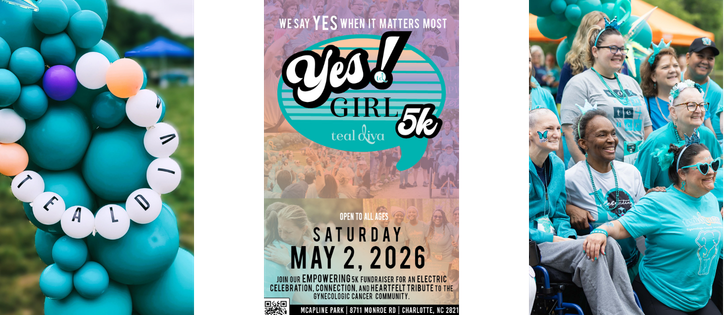

  • “Sunscreens are waterproof.”
  • Nope! No sunscreen is truly waterproof. Look for “water-resistant,” and still, reapply after water exposure.
  • “I can use last year’s sunscreen.”
  • Maybe, but check the expiration date. Most sunscreens are good for 2–3 years, but expired ones won’t protect as well.

Understanding the Types of Sunscreen

There are two main types of sunscreen: chemical and physical (also called mineral). Here’s how they differ:

Chemical Sunscreen

  • How it works: Absorbs into your skin and converts UV rays into heat, which is then released.
  • Pros: Lightweight, blends easily into the skin.
  • Cons: Breaks down faster in the sun, needs more frequent application.

Physical (Mineral) Sunscreen

  • How it works: Sits on the skin’s surface and blocks UV rays.
  • Ingredients: Zinc oxide and/or titanium dioxide.
  • Pros: Offers broad protection, less likely to irritate sensitive skin.
  • Bonus: Many mineral sunscreens come tinted to blend with all skin tones.

Both types are considered safe and effective. The FDA monitors sunscreen ingredients and safety rigorously, with decades of scientific research backing them up.

What to Look For in a Sunscreen

  • Broad spectrum: Protects against both UVA (aging rays) and UVB (burning rays).
  • SPF 30 or higher: SPF protects mainly against UVB rays.
  • Water-resistant: Gives better staying power when sweating or swimming.
  • Unexpired: Always check the date.

Smart Sunscreen Habits

Even the best sunscreen won’t do much if it’s not used properly. Keep these habits in mind:

  • Apply generously—most people don’t use enough.
  • Don’t forget the scalp, ears, neck, arms, lips, and top of the feet.
  • Apply sunscreen first before makeup.
  • Reapply every 2 hours, or immediately after swimming or sweating.

Make Sunscreen Part of Your Daily Routine

Whether it’s sunny or cloudy, summer or winter, sunscreen should be part of your everyday skincare routine. Just like brushing your teeth or washing your face, protecting your skin daily is a habit worth forming.

By understanding the facts and choosing the right products, you’re taking a big step toward healthier, protected skin for life. So the next time you reach for sunscreen, you’ll know exactly what you’re doing and why it matters.

Stay sun-safe and shine on!

Rubber Ducky Sunscreen and Sky and Sol are two sunscreens that we have been loving lately, if you’re interested check them out! 

Uncategorized

Ellen wasn’t just a name. She was a force of kindness, wisdom, and deep love. A Christian, a devoted wife, a proud mother, and grandmother, Ellen’s life was defined by service, compassion, and a fierce belief in the power of community. Above all, she was a friend—one who could be counted on through thick and thin, always ready to offer a listening ear, a word of advice, or simply share in a moment of joy.

But Ellen’s influence wasn’t limited to her family. She was an outspoken advocate for marginalized communities—especially those who often felt unseen or unheard. Whether it was supporting the LGBTQ+ community, speaking out for immigrants, or offering her time and resources to those less fortunate, Ellen’s heart was always wide open. She cared deeply, and her actions spoke louder than words.

We asked Rob, one of Ellen’s sons, and his family to tell us about Ellen: what they miss most and how they honor her legacy and here is what they had to say.

The Ellen We Miss

What do we miss the most about Ellen? It’s the small, everyday moments that were once so abundant. We miss calling her just to tell her something funny we saw, to share the latest milestone from her grandkids, or simply to gossip and chat about life. But more than anything, we miss her wisdom, acceptance, and unconditional love.

When we think of her now, we smile when we see butterflies fluttering by or when we hear the soft chime of wind chimes in the breeze. She had a special connection with nature, and we often feel her presence near the coast—the place where she instilled in us a deep love for the beach, especially Sunset Beach, NC.

A Tribute to Ellen: The Teal Diva 5K

Ellen’s legacy didn’t end with her passing. After she was diagnosed with cancer, Ellen became passionate about raising awareness for gynecological cancers, and one of the ways she sought to make a difference was through the Teal Diva 5K. She had heard about the event early in her treatment and was determined to be a part of it. In fact, she sent a message to her family, urging us to participate and support the cause. Her enthusiasm was contagious—she wanted to do anything she could to help.

But life had other plans. Ellen’s decline was swift, and she passed away on April 3, 2022, just one month before the race. Despite this, we were determined to honor her wishes and carry on her mission. And so, we put together a team in her honor, calling it “The Gospel of Ellen”—a nod to the nickname given to her Sunday School teachings by her children’s class. We walked, we ran, and we made sure that Ellen’s spirit was there with us every step of the way.

The Teal Diva Classic Volleyball Tournament: A Celebration of Life

But we didn’t stop there. Ellen’s granddaughter, Olivia, had discovered a love for beach volleyball and had already participated in a few benefit tournaments at Capt’n Bill’s, a local venue known for supporting charitable causes. Olivia suggested that we host a volleyball tournament to honor Grammy’s memory and raise awareness for gynecological cancers. It was a natural fit, and soon, the idea for the Teal Diva Classic Volleyball Tournament was born.

With Olivia’s passion for the sport and Bill’s commitment to community causes, we reached out to Capt’n Bill’s to help bring the event to life. Together, we created a special day that not only celebrated Ellen’s life but also raised funds and awareness for an important cause.

There were a total of 21 teams and $1,535 raised.

A Legacy That Lives On

Through these events, Ellen’s spirit continues to touch lives. Her advocacy for those in need, her unwavering love for her family, and her commitment to making the world a better place will never be forgotten. As we continue to celebrate her life, we are reminded that even in her absence, Ellen’s legacy is very much alive—in the lessons she taught us, the people she helped, and the causes she supported.

So, the next time you see a butterfly, hear a wind chime, or feel the breeze by the coast, take a moment to remember Ellen. Her love, her strength, and her devotion to others will forever be part of who we are. And when we gather together at events like the Teal Diva Classic Volleyball Tournament, we do so not just to raise awareness, but to honor the woman who showed us what it truly means to live with compassion and purpose.

  • 1
  • 2
  • 3
  • …
  • 5
  • Back

Copyright © 2025 · Genesis Framework · WordPress · Log in

  • About Teal Diva
  • Resources
  • Survivor Support
Teal Diva Logo Gynecologic Cancer Support

1135 Four Lakes Drive, Suite E
Matthews, North Carolina 28105

  • Events
  • Get Involved
  • Make A Donation

Teal Diva is a not for profit, charitable organization formed under Section 501(c)3 of the U.S. Internal Revenue Code. Donations to Teal Diva are tax-deductible as charitable contributions for US federal income tax purposes. There are no donation limits or restrictions on contributions to Teal Diva.
Tax #: 80-0584066

© Teal Diva 2025 | Donor Privacy Policy | Website Design & Development by Yellow Duck Marketing | Branding created by Hibiscus Brand Management