
• About Teal Diva
    +
    • Our Mission
    • Our Blog
    • Impact & Privacy Policy
    • Contact Us
  • Resources
    +
    • Awareness
    • Cancer Awareness Toolkits
    • Now What?
  • Yes Girl!
    +
    • The Sisterhood Series
    • Community, Learning, and Support
    • Teal Dignity Apparel
    • Home & Lawn Projects
    • Retreats
    • Grants & Financial Assistance
    • Diva Boutique
  • Events
    +
    • Calendar
    • Teal Diva 5K
    • A Mile For Her
    • Toast for Her Gala
    • Teal Diva Retreat
  • Get Involved
  • Donate Today
Teal Diva Logo

Teal Diva

Connecting gynecological cancer survivors in a caring community.

Teal Diva
  • About Teal Diva
    • Our Mission
    • Our Blog
    • Impact & Privacy Policy
    • Contact Us
  • Resources
    • Awareness
    • Cancer Awareness Toolkits
    • Now What?
  • Yes Girl!
    • The Sisterhood Series
    • Community, Learning, and Support
    • Teal Dignity Apparel
    • Home & Lawn Projects
    • Retreats
    • Grants & Financial Assistance
    • Diva Boutique
  • Events
    • Calendar
    • Teal Diva 5K
    • A Mile For Her
    • Toast for Her Gala
    • Teal Diva Retreat
  • Get Involved
  • Donate Today

Uncategorized

As we begin National Volunteer Month, we’re reminded that support does not always arrive in big ways or from expected places. Sometimes, it comes from the smallest hands with the biggest hearts.
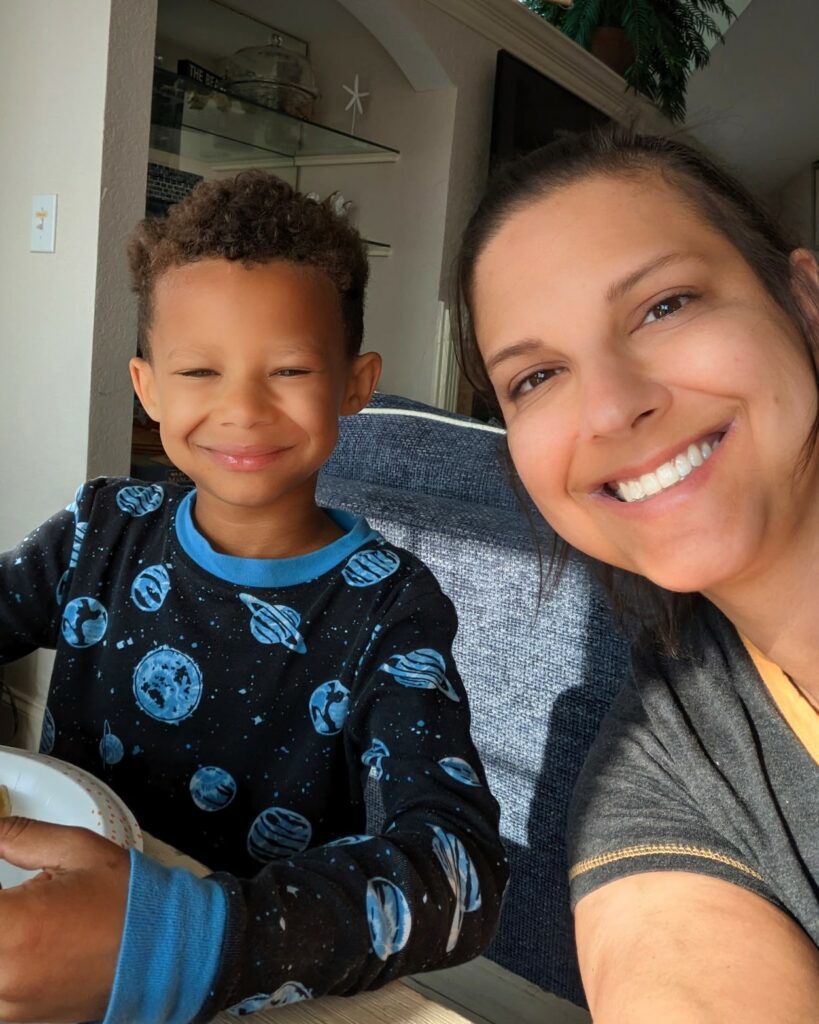
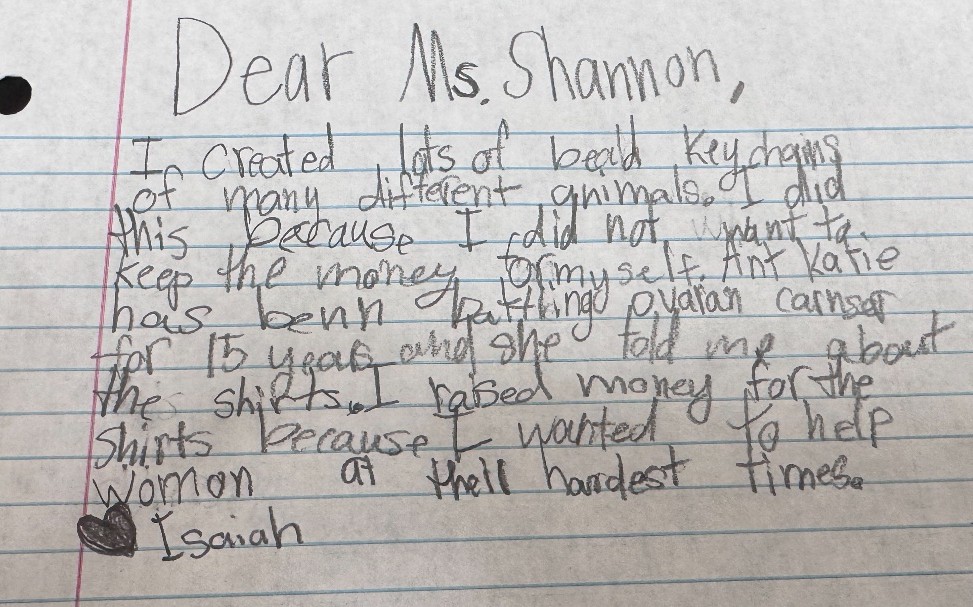
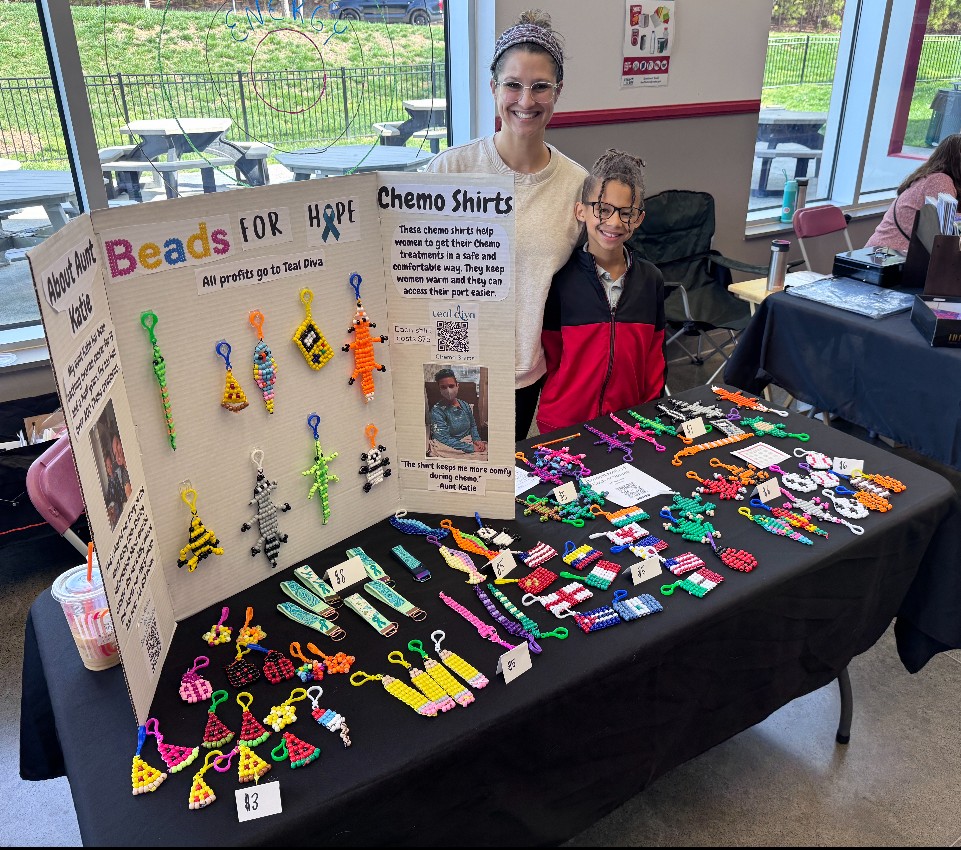
Recently, we learned about Isaiah, the nephew of our community member Katie. After hearing about Katie’s ovarian cancer journey and the impact of infusion shirts, Isaiah decided to do something about it. He made beaded keychains to raise money — not because anyone asked him to, and not because he wanted anything for himself, but because he wanted to help women during their hardest times.

You do not have to be an adult, a survivor, or fully understand the weight of cancer to make a difference. You just have to care enough to act.

That kind of compassion stops you in your tracks.

A child choosing compassion when he could have chosen anything else.

At Teal Diva, we often talk about support, sisterhood, and showing up for one another. Isaiah’s story is a beautiful reminder that support is more than a feeling — it is action. It is seeing a need and deciding to step in, no matter your age or ability.
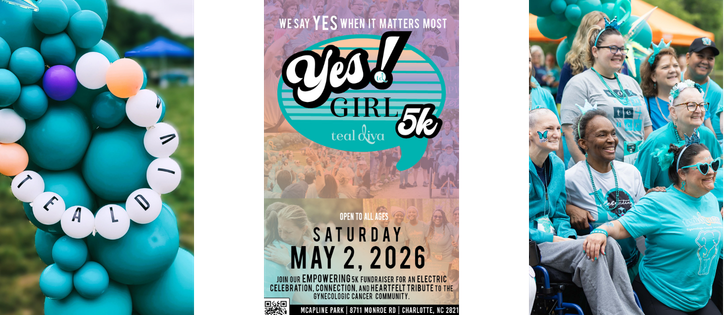
That same spirit is at the heart of the Teal Diva 5K.

Volunteering and fundraising are two powerful ways our community turns compassion into impact. Every volunteer helps create an experience where survivors feel seen, loved, and supported. Every fundraiser helps provide meaningful resources, including programs and items like infusion shirts that bring comfort during treatment.

Support comes in all shapes and sizes. It may look like serving on race day, starting a fundraiser, joining a team, sharing the mission with friends, or making something by hand to help someone else. What matters most is the willingness to show up.

This National Volunteer Month, let Isaiah’s example be an invitation.
Ready to turn compassion into action?

Register for the Teal Diva 5K.
Volunteer.
Start a fundraiser.

Because when compassion becomes action — whether through a child with a handful of beads or a community coming together for a 5K — it becomes something powerful.

And to someone walking through one of the hardest seasons of her life, that kind of support means everything.

Uncategorized

Honoring Women’s History Month

During Women’s History Month, we celebrate more than history—we celebrate the women actively shaping the world around us.

The women building businesses.
The women creating beauty.
The women working behind the scenes to bring moments—and missions—to life.

At Teal Diva, we are especially grateful for the women who use their talents not just to grow businesses, but to strengthen community, elevate stories, and support something bigger than themselves.

Today, we’re honored to spotlight three incredible women doing just that.


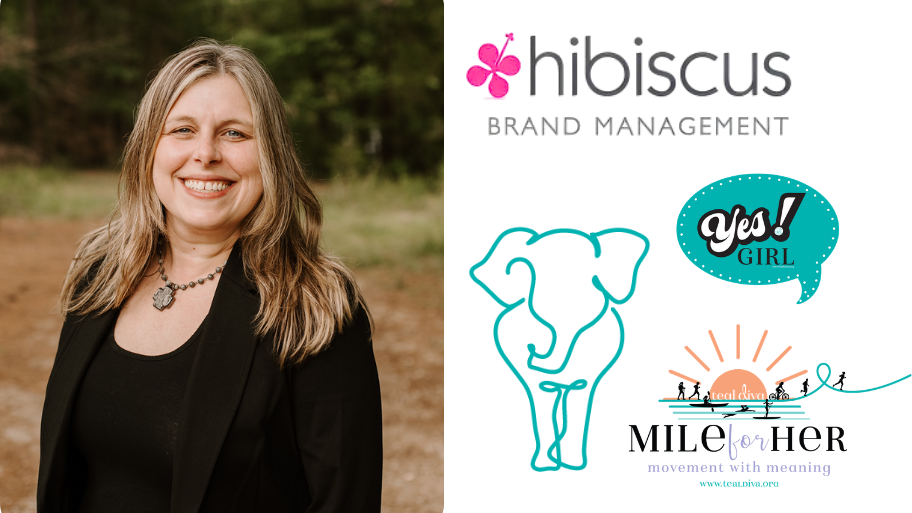
Clarity & Calling: Anna Smith, Founder of Hibiscus Brand Management

https://www.logodesigncharlotte.com

Anna Smith is the founder of Hibiscus Brand Management, a Charlotte-based branding and website design studio dedicated to helping businesses grow with clarity and purpose.

Her work goes far beyond logos.

She helps organizations understand who they are, what they stand for, and how to show up consistently—from their website to their social media to their events.

“Branding is more than a logo. It’s how a company communicates who they are and how they show up.”

What started as a collaboration became something more—a shared belief in hope, purpose, and helping others.

Anna specializes in working with builders, architects, and service-based businesses—but her work with nonprofits holds a special place in her heart.

She helps mission-driven organizations translate powerful stories into clear, credible, and compelling brands—making it easier for them to grow their impact.

Her connection to Teal Diva goes back to the very beginning. In the early days, she volunteered her time to help shape the Teal Diva brand, including refining the now-signature teal identity seen across events and campaigns today.

“Help good people doing good work be seen clearly and professionally.”


Creating Magical Moments: Samantha, Owner of CLT Balloons

CLT Balloons

Meet Samantha, the owner of CLT Balloons and Balloon Room—a woman-owned business bringing creativity, joy, and elevated design to celebrations across Charlotte.

Through custom balloon installations, Samantha transforms spaces into experiences. From fundraisers and corporate events to community celebrations, her work helps tell the story behind each moment.

Her retail shop offers helium balloons, gift wrapping, and curated party supplies—making it easy to add thoughtful, high-quality details to any occasion.

“Beautiful design doesn’t just decorate a space—it brings people together.”

For the past four years, Samantha has supported Teal Diva through event décor—helping create spaces that celebrate strength, resilience, and connection.

Her “why” is deeply personal.

Having lost both her father and grandmother to cancer, she understands the importance of organizations that provide support, awareness, and hope.

Her work is more than design—it’s a way of giving back.


Bringing It All Together: Angela Simcox, Queen City Event Management & Consulting

Angela Simcox, owner of Queen City Event Management & Consulting, is the force behind the scenes—ensuring events don’t just happen, but happen beautifully.

Through full-service event management and consulting, Angela helps businesses and nonprofits plan and execute seamless, meaningful events.

From logistics to guest experience, every detail is handled with care and intention.

“The best events don’t just happen—they’re thoughtfully built.”

Angela’s work allows organizations to focus on their mission while she brings their vision to life.

Her impact is often unseen—but always felt.

Because when every detail is aligned, something powerful happens: people connect.


In Action: A Community Effort

At Teal Diva, we don’t just celebrate these women—we partner with them.

A beautiful example of this collaboration is the Teal Diva 5K, where each of these businesses plays a role in bringing the experience to life.


Anna helps create the visual identity and graphics that carry the message forward.
Samantha designs balloon décor that transforms the space into something welcoming and celebratory. Angela leads event coordination, ensuring every detail comes together seamlessly.

“When women collaborate, something extraordinary happens—vision becomes experience, and purpose becomes connection.”

It’s more than an event.

It’s a reflection of what happens when women support women—each bringing their unique gifts to create something meaningful for the community.


Why These Stories Matter

Each of these women brings something different.

Clarity.
Creativity.
Coordination.

But together, they represent something bigger.

They are builders of experience.
Amplifiers of mission.
Creators of connection.

“Behind every meaningful moment is a woman who helped make it possible.”


Closing Reflection

At Teal Diva, we know that no one builds alone.

It takes vision.
It takes courage.
And it takes women who choose to show up—for each other, for their communities, and for causes that matter.

This Women’s History Month, we celebrate the women who create, design, organize, and uplift.

The women behind the moments.
The women behind the mission.
The women who make space for others to shine.

Because when one woman is seen—
it creates space for all of us to rise.

Uncategorized

The Programs That Support the Teal Diva Community

In our previous blog, we introduced you to the women and leaders who help guide Teal Diva’s mission—the board and staff who work behind the scenes to support this community.

This is the work their leadership helps make possible.

At Teal Diva, a mission is more than something we believe in.
It’s something we put into action every day.

Everything we do is rooted in one simple promise: no woman facing gynecologic cancer should ever have to walk this journey alone.

The programs we offer exist to support survivors emotionally, practically, and spiritually throughout their cancer journeys. Because while cancer may be part of a woman’s story, she should never have to face it without community.


“At Teal Diva, programs aren’t just services—they’re spaces where survivors find connection, understanding, and sisterhood.”


Yes Girl!

Saying Yes to Connection, Healing, and Hope

At Teal Diva, we believe in saying yes — yes to connection, yes to healing, and yes to hope.

Yes Girl! brings together programs that nurture the heart, strengthen the spirit, and meet real-life needs for women facing gynecologic cancer.

When we say yes, she wins.

Every Yes Girl! program is designed to support her in a different way — emotionally, practically, and financially. Whether it’s through shared connection, hands-on help, or direct assistance, each program meets her where she is and reminds her that she is seen, supported, and never alone.


The Sisterhood Series

Where Connection Is the Best Medicine

The Sisterhood Series is where we meet outside the clinic — a space for connection, laughter, and healing through shared experience. It’s about rediscovering yourself, building friendships, and remembering that joy still exists, even in the midst of cancer.

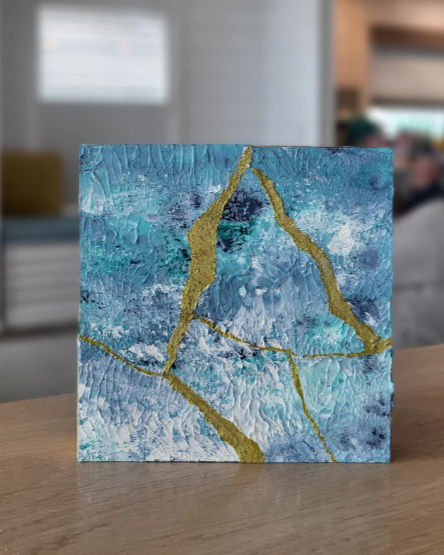
Art Therapy
Guided creative experiences that encourage self-expression, release, and reflection.

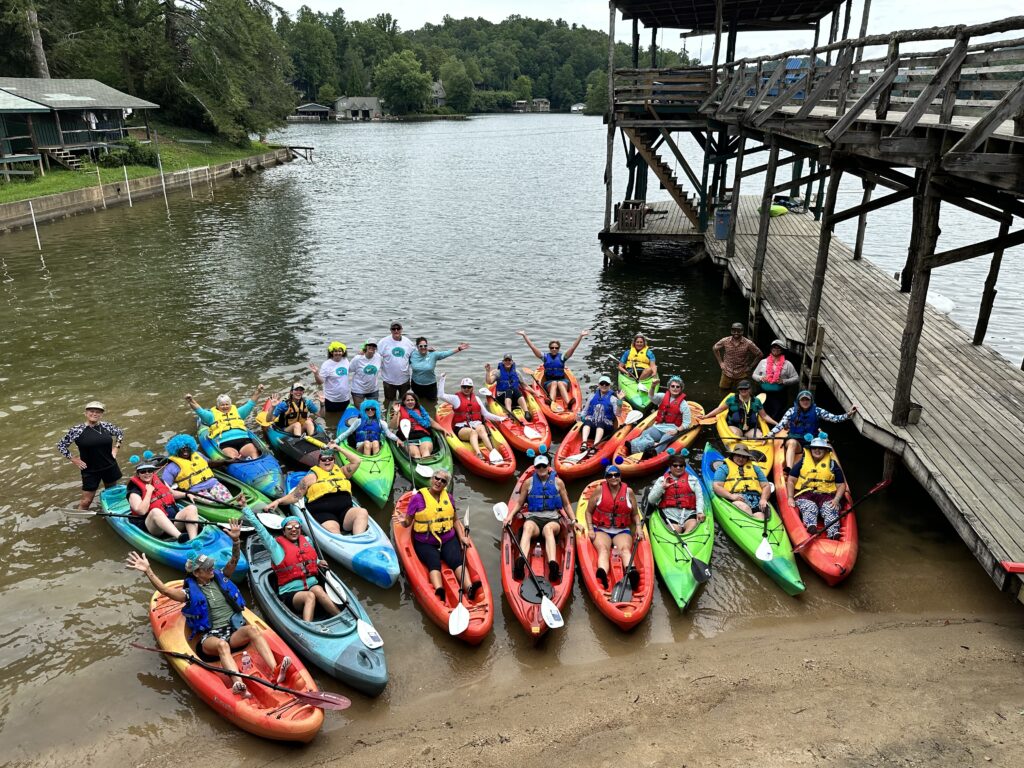
Eco-Therapy
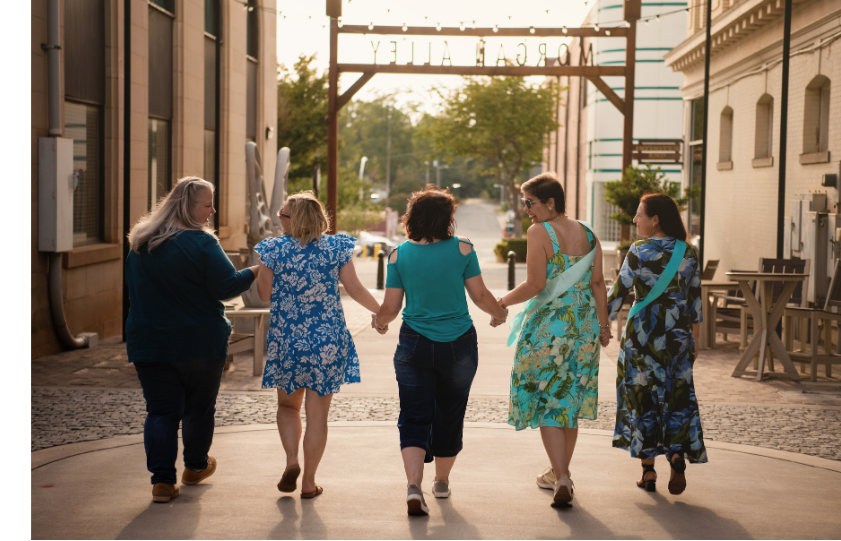
Experiences in nature shared with other survivors and often led by survivors — from yoga and walks to hikes, kayaking, and group runs — all designed to restore body and mind.

Social Meetups
Opportunities to gather, laugh, and connect through survivor dinners, lunches, and photo shoots celebrating resilience and beauty.

Little Lifts
Small acts of kindness that “lift” a woman’s spirits during chemotherapy, reminding her she’s not alone in her journey.

Hope Notes
We invite you to write uplifting messages to women who need encouragement. Imagine: amidst the weight of treatment or tough news, she opens her mailbox to find it overflowing with love, prayers, and hope-filled notes.


Retreats

A Time to Rest, Reflect, and Renew

More than a weekend getaway — it’s a life-changing experience.

Over four days, twenty gynecologic cancer survivors come together as strangers and leave as friends. Through rest, reflection, and shared stories, they rediscover hope, renewal, and what comes next after cancer.


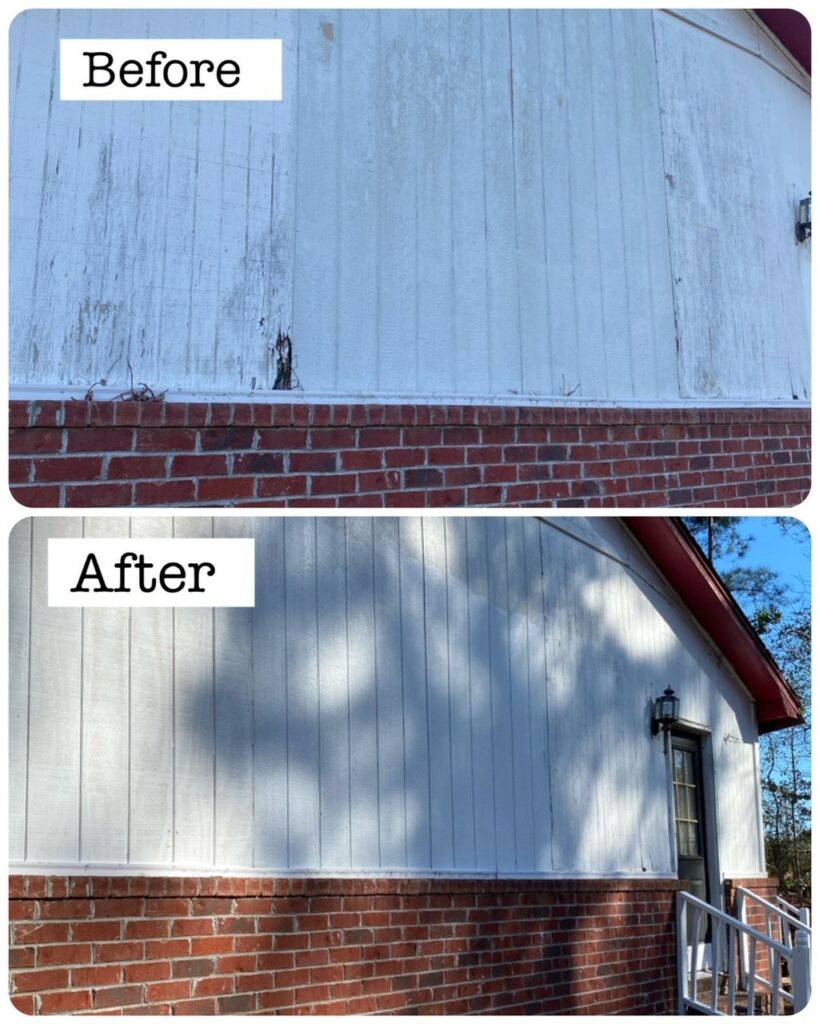
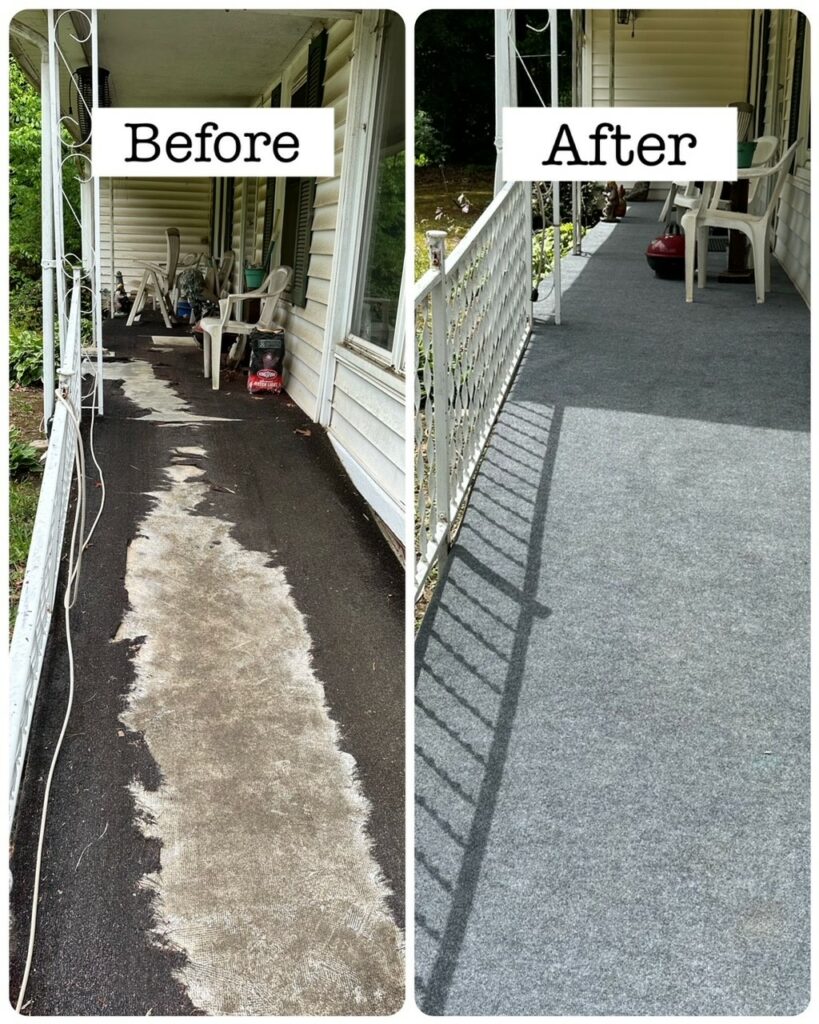
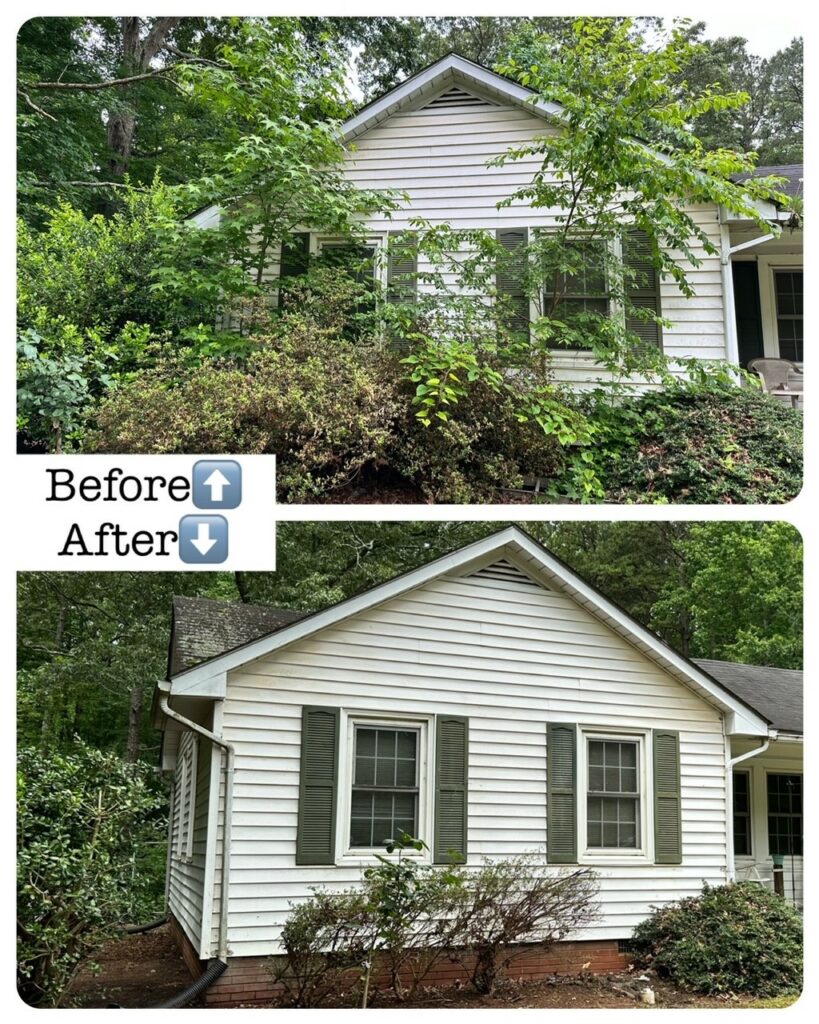
Home & Lawn Projects

Help When Everyday Tasks Feel Overwhelming

Cancer is an interruption — but the honey-do list doesn’t stop.

This program offers short-term, practical help from volunteers who lend a few hours or a half day to tackle small projects around the home. Together with the patient, we review her wish list and identify what can realistically be completed — whether it’s light repairs, yardwork, or simple tasks that help her focus on healing and rest.


Grants & Financial Assistance

Support When It Matters Most

Cancer can create financial strain at the very moment a woman needs stability the most.

Through grants and financial assistance, Teal Diva helps provide meaningful support — from gift cards and bill assistance to Dignity Apparel and post-treatment counseling through The After Cancer Program.

These resources help survivors navigate the practical realities of treatment and recovery while focusing on what matters most: healing.


“What begins as support often becomes something more—a community of women carrying one another forward.”


The People Behind the Programs

Every Sisterhood gathering, encouragement note, retreat, and act of kindness is made possible by volunteers and committee members who dedicate their time and energy to supporting others.

Many of them are survivors themselves. Others have been touched by gynecologic or other cancers through family or friends.


Finance Committee


Programs Committee

Their work reflects the same spirit that guides the entire Teal Diva community—women supporting women through every stage of the journey.


A Mission in Action

Together, these programs represent the living expression of Teal Diva’s mission.

People who care deeply about survivors.
Programs designed to support them.
A community built on empathy, resilience, and hope.

There’s something powerful that happens when women come together in support of one another. Like the protective circles formed by female elephants in the wild, this community gathers close during life’s most vulnerable moments—offering strength, encouragement, and steady presence. Through every program, shared story, and small act of kindness, Teal Diva becomes that circle: a place where survivors stand together, lift one another up, and remember that even in the hardest seasons, none of us has to face the journey alone.

Because the mission begins with people—and lives on through the programs that ensure no woman facing gynecologic cancer ever has to walk the journey alone.

Uncategorized

The Women and Leaders Behind Our Mission

A Women’s History Month Reflection

During Women’s History Month, we often celebrate the trailblazers who shaped history. But it’s also a time to recognize the women who quietly build community every day—lifting one another up, offering support, and creating spaces where others can find strength.

At Teal Diva, that spirit of women supporting women lives at the heart of everything we do.

And it’s the same spirit that guides the people working behind the scenes to support this community.

At Teal Diva, everything we do begins with one simple belief: no woman facing gynecologic cancer should ever have to walk this journey alone.

The retreats, survivor gatherings, encouragement outreach, and moments of connection that define this community don’t happen by accident. They are made possible by a dedicated group of leaders, survivors, advocates, and volunteers who believe deeply in the mission of supporting women and families affected by gynecologic cancers.

Every community has people who quietly hold it together—the ones who show up, lend their talents, and help ensure no one has to face hard moments alone.

Today, we’d like to introduce you to the staff and board members who help nurture this community and support the women who are part of it.


“At Teal Diva, community isn’t just part of the mission—it’s the heart of how survivors support one another.”


Staff

Shannon Routh

Founder & Executive Director

At just 32 years old and newly married, Shannon was diagnosed with Stage IIa clear-cell carcinoma, a rare gynecologic cancer. After surgery and chemotherapy, she turned her experience into something powerful—creating Teal Diva so that other women facing gynecologic cancers could find the support and connection she knew mattered so much.

Her vision was beautifully simple:

Healing isn’t just about treating the body—it’s about connection, community, and celebrating life beyond cancer.


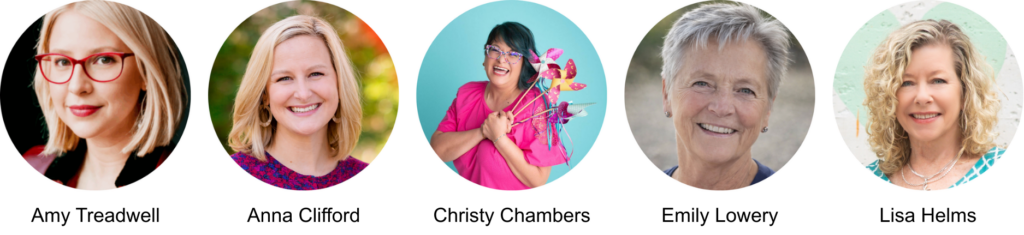
Christy Chambers

Social Media & Content Coordinator

Christy is a mom, artist, and stage 4B cervical cancer survivor. After attending a Teal Diva retreat in 2023, she experienced firsthand the powerful sense of connection that happens when survivors gather together.

Today, she helps share the stories of this community through social media and storytelling—amplifying survivor voices, spreading awareness about gynecologic cancers, and reminding others that hope can still grow even in the hardest seasons.


Stan Elling

Mission Support Coordinator

Stan first learned about Teal Diva after meeting Shannon and her family in their neighborhood and hearing about the organization’s mission. Inspired by the impact the community was having on women facing cancer, she began volunteering her time.

Today, Stan supports the organization both behind the scenes and at events, helping ensure the programs and gatherings that mean so much to survivors continue to run smoothly.


Board of Directors

Each member of the Teal Diva board brings their own story, experience, and passion to the mission. Some were drawn to the organization through personal experiences with cancer, while others were inspired by the community they discovered through Teal Diva’s work.

Together, they help guide the organization while ensuring survivors remain at the heart of every decision.


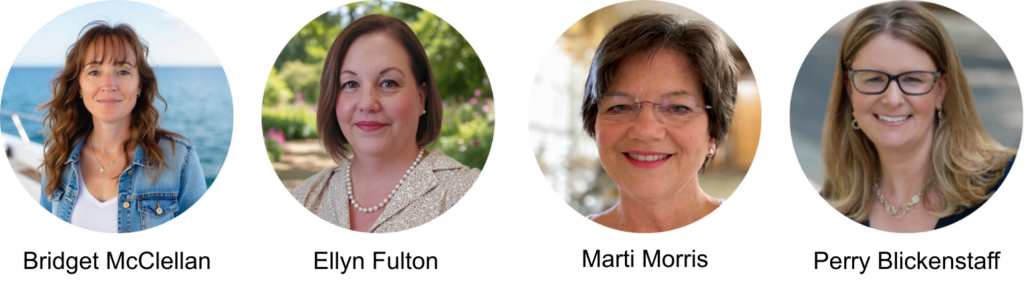
Bridget McClellan

Board Chair

Bridget first connected with Teal Diva after a close friend was diagnosed with ovarian cancer. Although she later lost her friend, she found a powerful sense of community within Teal Diva during that difficult time.

Today, she honors her friend’s memory by helping ensure other women and families can find that same circle of support.


Amy Treadwell, DVM, DACVO

Vice Chair

Amy is a veterinary ophthalmologist and a survivor of stage IIIC endometrial cancer. Her experience navigating diagnosis, treatment, and life after cancer inspired a deep commitment to supporting others on a similar journey.

Through her work with Teal Diva, Amy helps ensure survivors continue to find encouragement, understanding, and celebration in life beyond diagnosis.


Perry Blickenstaff

Treasurer

Perry is the founder of JPB Accounting Services and has spent her career helping entrepreneurs feel confident and supported in their businesses.

She was drawn to Teal Diva because of its mission to uplift women affected by gynecologic cancers, and she uses her financial expertise to help ensure the organization’s programs remain strong and sustainable.


Jenni Miehle

Secretary

Jenni Miehle is the owner of The Nerdy Designer, a creative studio focused on information design and visual storytelling.

As the granddaughter of a uterine cancer survivor, she feels a personal connection to Teal Diva’s mission and enjoys supporting the organization with both her creativity and organizational skills.


Jasmine Swaggard

Board Member

Jasmine’s connection to Teal Diva is deeply personal. Her mother is a long-term ovarian cancer survivor, and she also honors the memory of her grandmother who lost her battle with the disease.

Her involvement with the organization is fueled by a desire to raise awareness, celebrate survivors, and inspire hope for families facing gynecologic cancers.


Jessica Lineberger, MSN, FNP-C

Board Member

Jessica is a nurse practitioner whose career has included work in psychiatry, emergency medicine, and hospital medicine.

Through her work caring for patients and families, she has seen firsthand how important compassionate community support can be during difficult times, which drew her to the mission of Teal Diva.


Leigh Bryant

Board Member

Leigh is a real estate professional and leader with more than two decades of experience in sales and business development.

After losing a friend to ovarian cancer and supporting her mother through breast cancer survivorship, she felt called to help build communities where women feel supported, encouraged, and empowered.


Lisa Helms

Board Member

Lisa first discovered Teal Diva while volunteering at the Teal Diva 5K after completing treatment for ovarian cancer.

Inspired by the community she found, she became an active volunteer and now supports survivors through the YES Girl! program while mentoring women newly diagnosed with ovarian cancer.


Tara Ballard

Board Member

Tara has dedicated more than two decades to oncology care and cancer support programs.

Her experience in oncology rehabilitation, wellness, and survivorship programs brings valuable insight to Teal Diva’s work supporting women and families navigating life during and after cancer


A Community Built on Purpose

Every person involved with Teal Diva brings their own story and passion to this work. Together, they help ensure that survivors and families continue to find the connection, encouragement, and sisterhood that make this community so special.

In many ways, this work is its own quiet chapter of Women’s History—women lifting one another up, creating community, and leaving a legacy of strength for those who come next.

Because at the heart of Teal Diva is a simple truth:

No one should ever have to face gynecologic cancer alone.

Uncategorized

So is the person who stayed. The one who carried the load, held the fear, and reminded you that you weren’t alone.

Cancer is not meant to be faced in isolation. The weight of appointments, decisions, side effects, and uncertainty can feel unbearable without someone to steady you. Community becomes the soft place to land — the hands that drive you to treatment, the texts that arrive at just the right moment, the meals left on the porch, the laughter that breaks through the heaviness. Being alone in cancer would make the mountain steeper, the nights longer, the fear louder. Love doesn’t erase the diagnosis, but it makes survival possible.


Randy

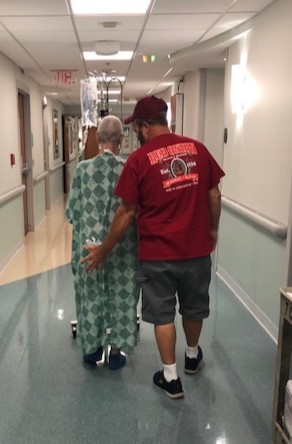
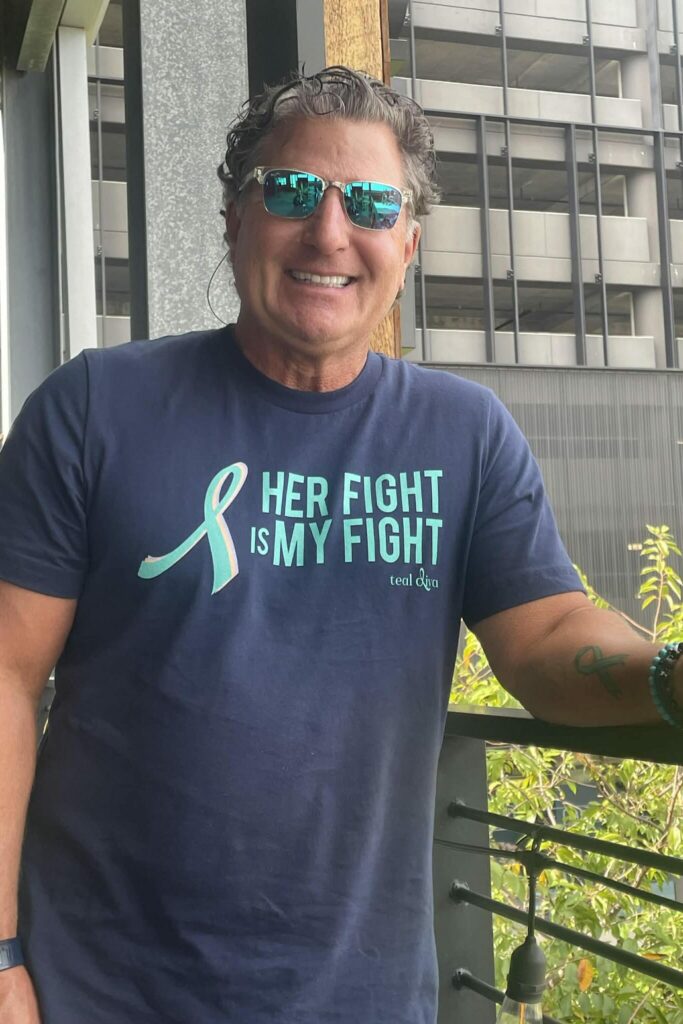
From the day we heard “you have cancer” we have fought this head on, together. Joe never misses appointments and some days I feel this may be harder on him than on me. My rock, my love… he wears his “her fight is my fight” shirt proudly and is the captain of my fight team! I love you, Joe!


Joanne

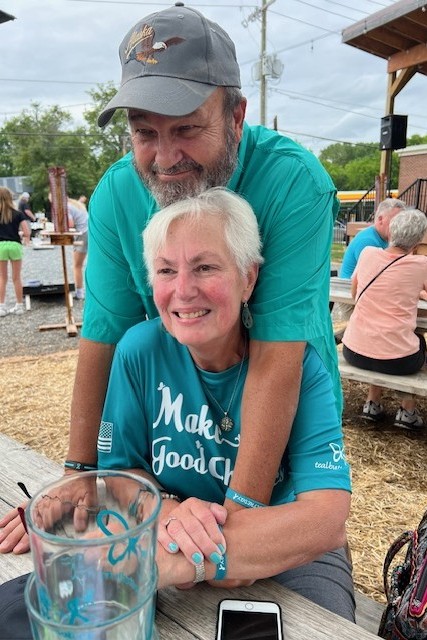
I was diagnosed with a gynecological cancer in 2017. Suddenly, everything became uncertain. At a time when many people decided to exit my life for whatever reason, one person decided to stay, give me stability and hold me up. That person is my husband Mark. It must be difficult for him, feeling helpless, watching me suffer and struggle with this disease. He works a full time job, takes care of me and often, all of the household duties when I am too sick to help. Mark still manages to take care of his other family members and still makes the time to volunteer his services when someone is in need. Without people like Mark, the world would crumble. I don’t know if he understands just how important he is to me and the other people he has helped along the way. I realize that not everyone has a “Mark” and I am extremely grateful to have a partner, friend, cheerleader and caregiver who loves me so. Thank you Mark!


Sometimes that love looks like a spouse sleeping upright in a hospital chair, learning medication schedules and insurance language they never wanted to know. It looks like a best friend who shows up with coffee and honesty — who lets you rage, cry, or sit in silence without trying to fix it. It looks like parents who would trade places with you in an instant, who hold vigil in waiting rooms and pray between every breath. It looks like children — even young ones — offering gentle hugs, handwritten notes, or quiet bravery far beyond their years.


Christy

Hank was my designated driver to my gyn-onc appointments – he offered. The joke was that he was ‘driving Miss Daisy’, and he even showed up on one trip with a chauffer’s hat! It was so comforting to have someone with me that wasn’t family or a spouse. He allowed me space to just be. Sometimes there were tears but mostly laughter…and chocolate!


Debra

Love isn’t necessarily a dozen roses or boxes of chocolates on Valentine’s Day.  It’s not diamonds or gold for anniversaries.  Far more meaningful to me are the many days and nights spent in hospital rooms with me as I have recovered from surgeries.  It is supporting me through every single doctor’s appointment.  It is getting up in the middle of the night to clean up after ‘medical mishaps’ and never complaining.  On very cold or rainy days it is warming the car up and moving it as close to the door as possible.  Every single day I give thanks to God for this precious man who has been right beside me every step of the way through this journey, making the bad times more bearable and rejoicing with me through the good times, making them even more special.  David, you are my hero and I love you more!


Support is not a small thing. It is oxygen. It is courage borrowed when your own runs thin. It is the quiet, faithful presence of those who choose to stay — not just when it’s easy, but when it’s messy and uncertain and exhausting.


Tiera

I Can, I Will, I Must

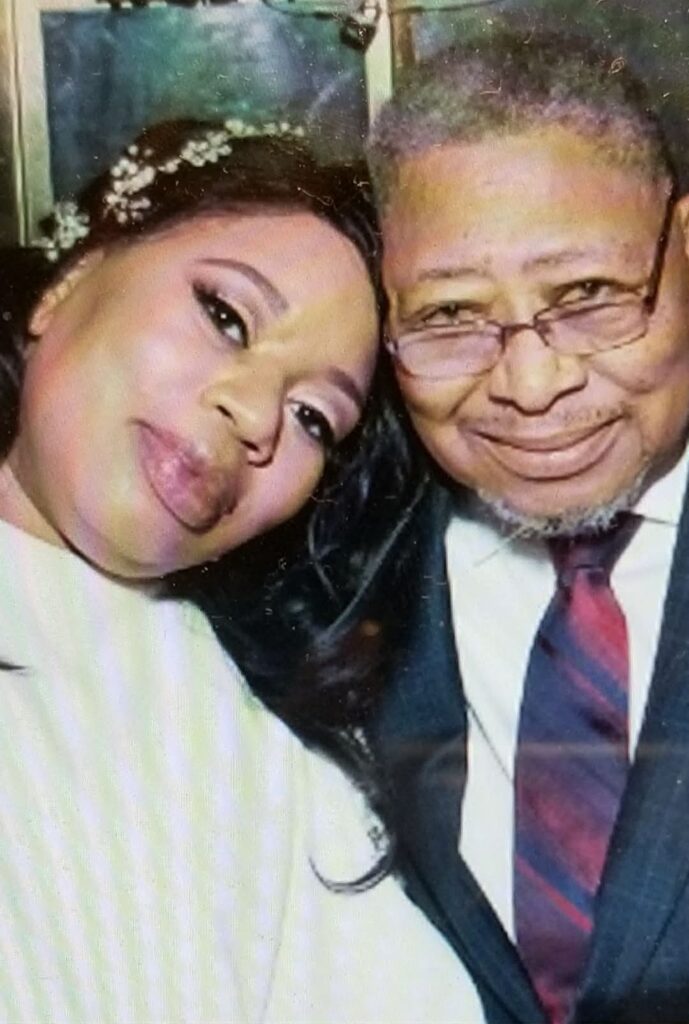
A Tribute to My Father, Elder Ned Germany Jr.

September 2020. The world was shut down. Hospitals were quiet in a way that felt unsettling. And I was preparing to begin the fight for my life. I was scared. I felt alone.

And in the middle of a pandemic, isolation felt heavier than ever. My first treatment was getting ready to start, and echoing in my spirit were the words my father always said:

“I can. I will. I must.”

My dad, Ned Germany, was battling cancer himself MDS. And yet, if you ever saw him, you wouldn’t see defeat.

You wouldn’t see bitterness. You would see a man anchored in faith. A man who believed God was still God, even in the infusion chair. A man who held on so securely to his faith that I never questioned whether God was present. My father’s belief didn’t waver with his diagnosis. It deepened.

And that did something to me. My father and I were a lot alike strong-willed, determined, stubborn if we’re being honest. In my teenage years and even into adulthood, our disagreements could feel like World War III. We loved hard. We clashed hard. But one day, I went with him to treatment.

They sat him in this particular chair. I hadn’t been diagnosed with cervical cancer yet. I was simply there as a daughter. But in that chair, something shifted between us. All the tension, the stubbornness, the pride — it melted. We laughed. We joked. At that moment, he wasn’t Superman. He wasn’t the disciplinarian. He wasn’t the strong, unshakeable figure of my childhood.

He was just my dad. A dad who was fighting. A dad who was choosing faith. A dad who believed he could, he would, and he must. Then, unexpectedly, it was my turn. When I walked into my first day of treatment, they said, “Here, Mrs. Wade, this is where you’ll be sitting.” It was the same chair.

The same space I once sat beside him. And in that moment, fear tried to creep in. I was facing 36 rounds of radiation. Six rounds of chemo. Brachytherapy. The exhaustion. The physical toll. The emotional unraveling. The uncertainty of outcomes. The loneliness of pandemic protocols that meant often walking in without the comfort of those you love.

But I remembered him. I remembered how he sat. I remembered how he smiled. I remembered how he believed. And I knew — if my father could sit in that chair with faith, then so could I.

I can. I will. I must. That mantra carried me through every radiation appointment. Every chemo infusion. Every brachytherapy session. Every tear cried in private. Every prayer whispered under my breath. Every moment I questioned my strength.

Five years later, I am celebrating survivorship. But this time, I am doing it without him. My father transitioned on October 28, 2025, and my world has never been the same. Grief has a way of reshaping everything. But even in his absence, his words remain louder than ever.
The advocacy. The leadership. The mentorship. The panels. The platforms. The voices I amplify. The lives I fight for. All of it is rooted in what he instilled in me. He didn’t just give me encouragement. He gave me a standard. He gave me a posture. He gave me faith in motion. Because of him, I don’t just survive, I serve. I don’t just speak, I advocate. I don’t just exist, I lead.

Dad, here I am. I am standing. I am speaking. I am advocating. I am educating. I am carrying your legacy forward. Because I can. Because I will. Because I must.

I love you, Dad. Your Pooh Bear


To the ones who showed up, who kept showing up, who loved us through it all and refused to let us disappear into the darkness: we carry you in our gratitude and in our hearts. Our stories are woven with yours, stitched together by love. And because of you — because of your steady, faithful love — we were never truly alone.

Uncategorized

Pippa was diagnosed with vulvar cancer in January 2023, but her story began months earlier with subtle symptoms that wouldn’t resolve. Persistent soreness and discomfort lingered despite over-the-counter treatments. While nothing seemed urgent at first, Pippa felt something wasn’t right.

She trusted that instinct and kept pushing for answers.

Her diagnosis initially came back as stage 1 vulvar cancer. Surgery followed, but pathology revealed cancer in her lymph nodes, advancing her diagnosis to stage 3. Despite aggressive treatment, the cancer would later recur and spread, ultimately progressing to stage 4.

“There is life after cancer.”

From that point forward, Pippa’s life became shaped by treatment decisions, recovery, and resilience. She underwent radiation, chemotherapy, and multiple surgeries—including a total pelvic exenteration. Hospital stays were long. Recovery was exhausting. Everyday routines had to be relearned.

Throughout it all, support became essential. Pippa credits her husband as her constant anchor, alongside family, friends, coworkers, and an employer who showed remarkable patience and compassion. Their presence made the hardest moments survivable.


The First Warning Signs

The earliest red flag was a sore, itchy patch inside her left labia that steadily worsened. Creams and medications offered no relief. Over time, it became painful to walk, sit, or stand. Bleeding and discomfort during sex followed, until intimacy became unbearable.

That was when she made the appointment.

Her doctor recognized the symptoms immediately and ordered a biopsy. Even before results came back, Pippa knew the truth. The biopsy confirmed vulvar cancer—painful, validating, and life-altering all at once.

Her diagnosis was upgraded to stage 3. Pippa wasn’t surprised. Her instincts had already prepared her.

Treatment followed quickly: weeks of radiotherapy and chemotherapy that drained her physically and emotionally. Recovery was lonely at times, marked by fatigue and the need for quiet, but she pushed through one day at a time.


Recurrence and a Defining Choice

In early 2024, symptoms returned. More biopsies. More surgeries. Then scans revealed internal recurrence—in her groin and later her lung. Radiation was no longer an option. Surgery was considered too risky. The remaining recommendation was high-dose chemotherapy.

Pippa declined.

“When treatment options dwindled, I chose quality of life over harsher intervention.”

Later that year, Pippa underwent a total pelvic exenteration—one of the most extensive surgeries performed. Organs were removed. Two stomas became part of her daily life. Recovery required weeks in the hospital and learning to walk again.

The physical toll was immense, but she adapted. Life slowed. Energy became precious. Perfection gave way to presence.

Fatigue, chronic pain, osteoarthritis, and lymphedema remain. Yet Pippa has found peace in adjusting expectations and focusing on what truly matters.


Support, Acceptance, and Living Fully

Emotionally, the journey has been just as complex. Counseling helped Pippa navigate being told her cancer was terminal. Her greatest fear was not death—but leaving her husband behind.

Over time, she learned to live with uncertainty.

Today, Pippa finds meaning in small joys: walking her dog, time in nature, quiet moments with her husband. She channels her experience into advocacy, speaking openly about vulvar cancer and helping other women recognize early symptoms.

She reminds others that embarrassment should never delay care—and that advocacy saves lives.

“A few minutes of embarrassment are worth the rest of your life.”

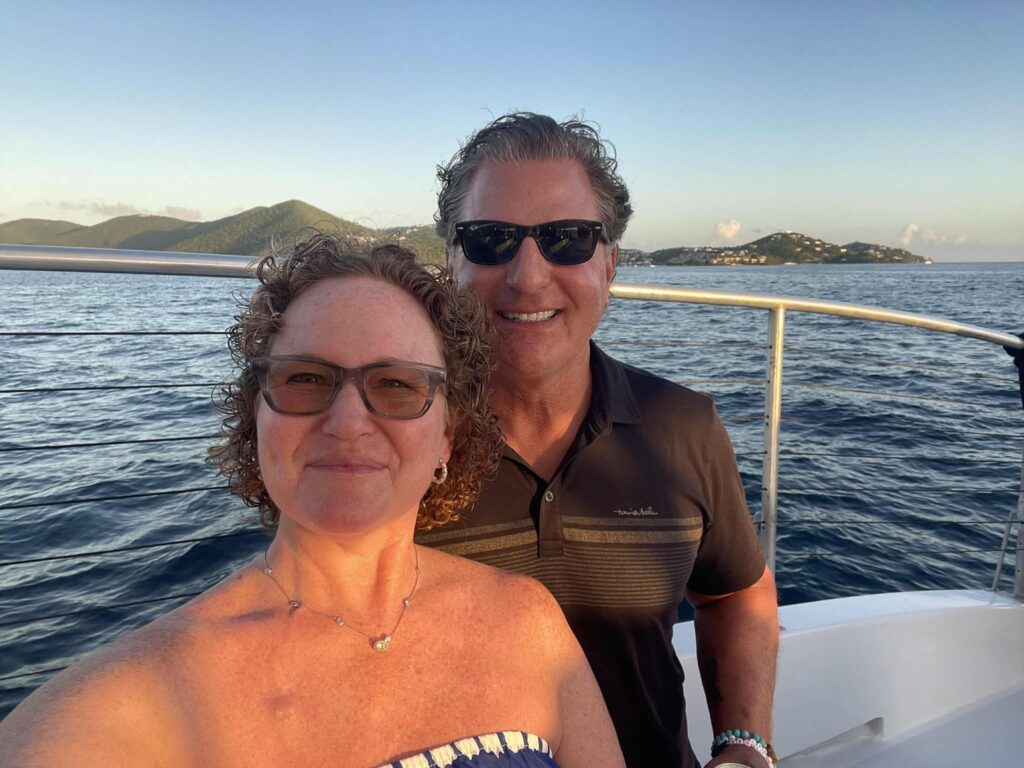
Pippa’s story challenges traditional ideas about survival. It is not about cure or timelines—it is about autonomy, dignity, and choosing how to live. Her experience reminds us that listening to our bodies, trusting our instincts, and advocating for care can change everything.

Citation
Sanchez, C. (Ed.). (2025, November 2). Choosing life on her terms: Pippa’s Stage 4 vulvar cancer story. The Patient Story. Retrieved from https://thepatientstory.com/patient-stories/vulvar-cancer/metastatic-vulvar-cancer/pippa-s/

Uncategorized

By Claire Wentz

A cancer diagnosis reshapes every part of life — body, mind, and spirit. Self-care in this journey is not about perfection or relentless positivity; it’s about gentleness, presence, and honoring your needs. Caring for your whole self can support healing, resilience, and a deeper sense of peace, even amid uncertainty.

Key Takeaways

  • Small, intentional acts of self-care create big shifts in wellbeing.
  • Spiritual wellness—whatever that means to you—can restore strength and calm.
  • Nutrition, movement, and rest should adapt to your energy and treatment plan.
  • Setting boundaries, saying “no,” and finding community help protect emotional balance.
  • Mindfulness and gratitude can turn daily moments into sources of healing.

Nourishing the Body with Compassion

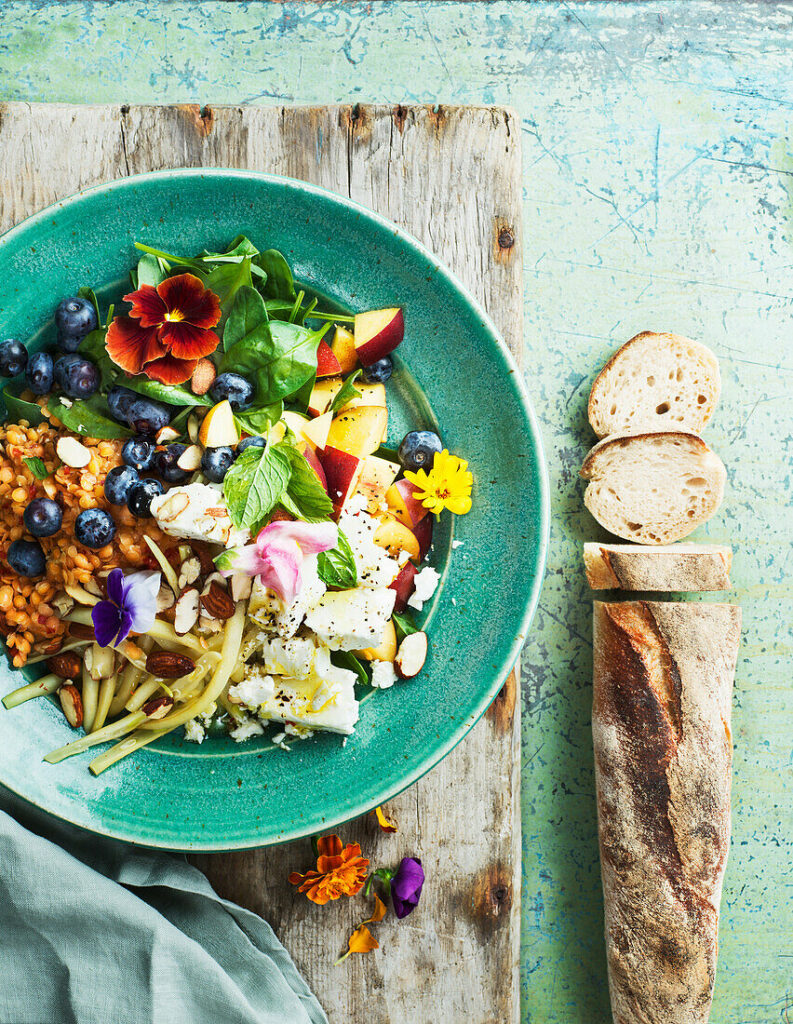
What you eat during treatment matters less than how you approach nourishment. Focus on gentle foods that comfort and strengthen: whole grains, fruits, vegetables, and plenty of hydration. Some people find that small, frequent meals help manage nausea and fatigue.

If you’re unsure what’s safe or helpful, consult a dietitian who specializes in oncology. Listening to your body (not comparing it to others) is the most compassionate approach.

The Power of Movement

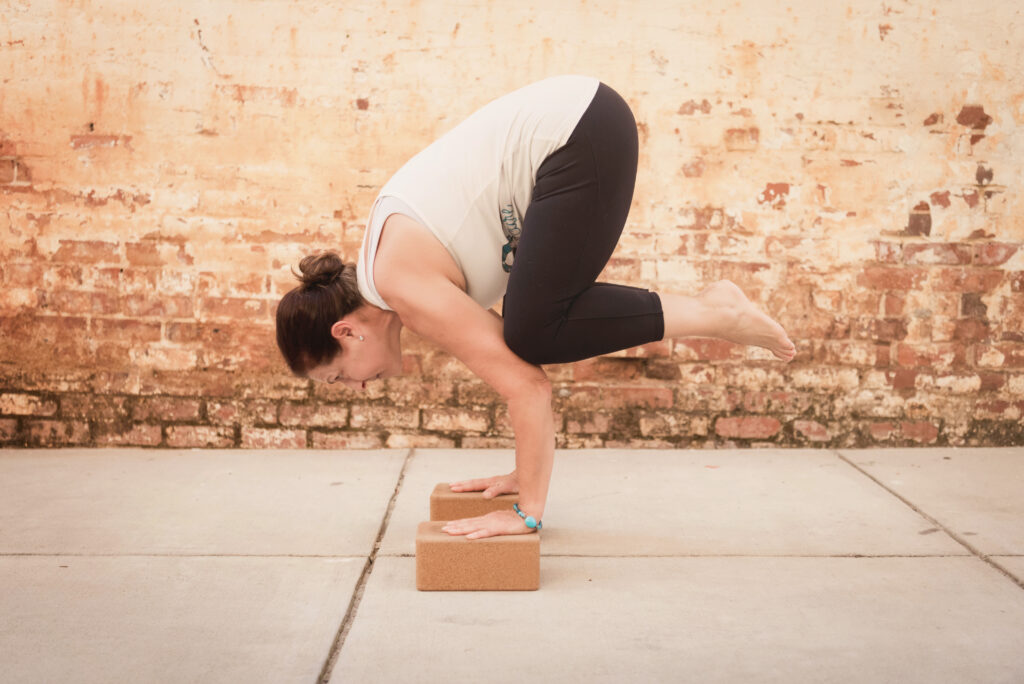
Exercise can be a grounding form of care, even in small doses. Walking around the block, stretching in bed, or practicing gentle yoga can reduce fatigue, improve mood, and help with sleep. Before starting or adjusting an exercise plan, talk with your healthcare provider. The goal isn’t intensity. Instead, it’s presence.

Managing Stress Through Stillness and Breath

Cancer brings emotional weight: fear, anger, uncertainty. Mindfulness, meditation, or deep breathing offer a way to quiet that inner noise. Even five minutes of slow, intentional breathing can lower cortisol levels and create a sense of steadiness.

How to Begin Mindful Breathing:

Repeat for several cycles, allowing thoughts to drift without judgment.

Find a comfortable position.

Inhale for a count of four.

Hold briefly, then exhale for a count of six.

Spiritual Grounding: Finding Meaning and Connection

Spiritual wellness isn’t about religion unless you want it to be. It’s about connection to yourself, to others, and to something larger than your diagnosis. Some people find comfort in prayer, others in nature, art, or journaling. Lighting a candle, listening to sacred music, or writing a daily gratitude note can create small moments of transcendence.

Here’s one approach to reconnecting with spiritual strength:

PracticePurposeExample
JournalingClarifies emotions and releases worryWrite “What am I learning from this moment?”
Prayer or AffirmationInvites peace and hope“May I be gentle with myself today.”
Time in NatureRestores calm and presenceSit outdoors and notice your breath and surroundings

The Strength of Boundaries and Support

Learning to say “no” is a vital part of self-care. Declining extra commitments allows space for healing. Share openly with loved ones about what support helps most — whether that’s meals, company, or quiet.

How to Build Your Support Circle:

  • Identify three people you can call when you need comfort or practical help.
  • Join a cancer support group in your community or online.
  • Ask one trusted person to help manage updates or appointments when you’re tired.

Caring for Your Inner World

Self-care is not just about the physical; it’s about the emotional and spiritual landscape within you. Create a ritual of peace — morning tea, soft music, or a nightly gratitude reflection. These simple actions reinforce that you are more than your diagnosis.

Keeping Track of Your Health and Records

Staying organized can help you feel empowered in your care journey. Maintain a digital or paper file of your test results, medications, and treatment notes so that you and your care team always have access. Saving these records as PDFs keeps them consistent and easy to share. You can also try this simple tool to convert files to PDF with ease.

Daily Practices for Whole-Self Care

To anchor wellness in your day, try these gentle actions:

  • Drink water regularly, even when not thirsty.
  • Eat something fresh and colorful once a day.
  • Rest without guilt — naps are medicine.
  • Step outside for sunlight or fresh air.
  • Repeat an affirmation: “I am allowed to rest and heal.”
  • End your day with gratitude for one small good thing.

The Heart of Healing: Staying Positive Without Pressure

Staying positive doesn’t mean ignoring pain or fear. It means allowing those emotions while still noticing moments of joy, beauty, and connection. Resilience grows when we make space for both hope and honesty.

Frequently Asked (and Deeply Felt) Questions

These questions often arise for people navigating cancer and self-care:

1. How can I balance treatment demands with personal time?
Start by scheduling recovery days after treatments. Protect your rest the way you’d protect an appointment. Delegate errands or ask loved ones to handle small tasks.

2. What if I feel disconnected from my old spiritual beliefs?
It’s normal to question faith or meaning during illness. Explore new expressions — reading poetry, talking with a chaplain, or meditating outdoors. Allow your spirituality to evolve naturally.

3. Is it selfish to prioritize my needs over others’?
Not at all. Healing requires energy and attention. Meeting your own needs first allows you to give from overflow, not depletion.

4. How do I talk to friends who don’t know what to say?
Let them know honesty is okay. You might say, “I don’t need answers — I just need your presence.” Many people appreciate clear guidance on how to help.

5. Can mindfulness really reduce treatment anxiety?
Yes. Research shows that mindful breathing and grounding techniques can lower stress hormones and improve sleep, making treatments easier to tolerate.

6. What’s one thing I can do when everything feels overwhelming?
Pause. Place your hand over your heart, take a slow breath, and remind yourself: “I am safe in this moment.” Simple grounding can bring calm even in chaos.

Conclusion

Healing is not linear, and self-care isn’t a checklist to complete. It’s a rhythm — of rest and action, connection and solitude, hope and acceptance. Each act of care, no matter how small, is an act of courage. You are not alone on this path, and every gentle choice you make in your own favor is a form of healing.

Uncategorized

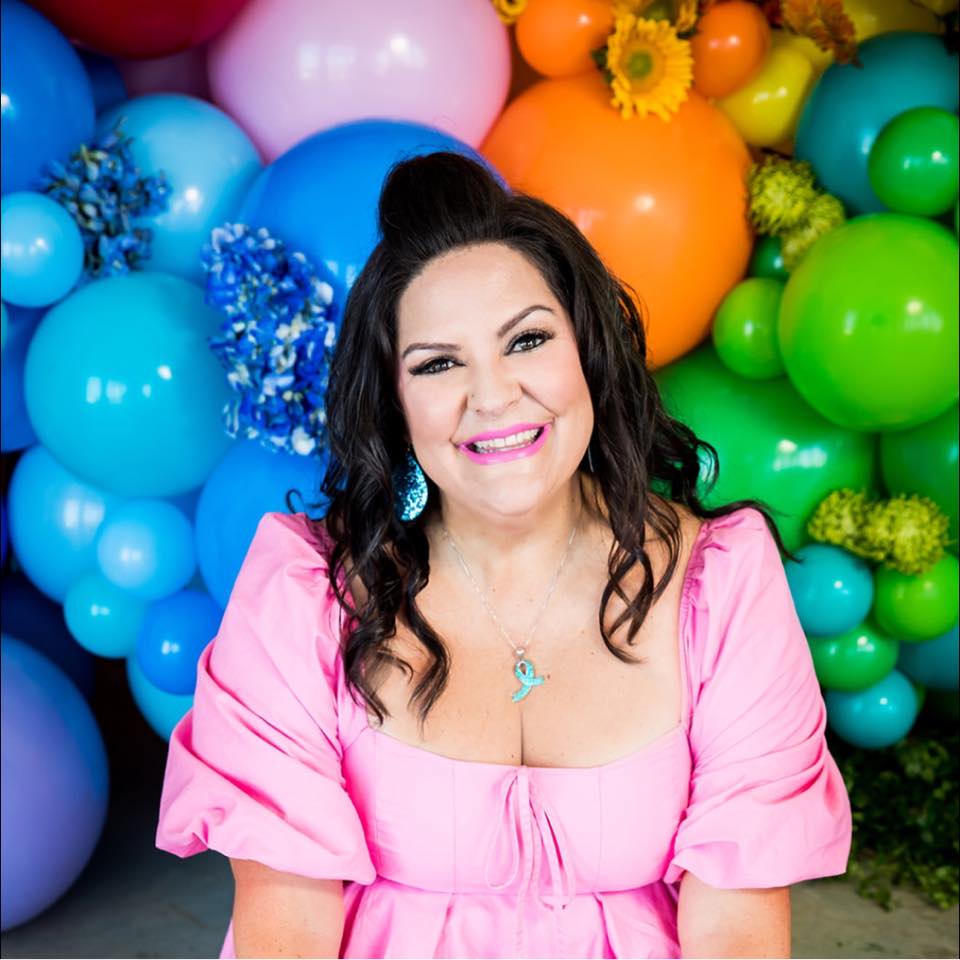
My story is a story of elephants—and of hope.

Elephants are deeply social and emotional beings. Their families are led by females, built on lifelong bonds, and often include non-relatives who are welcomed as their own. They mourn their dead. They protect the vulnerable. In many ways, they are just like us.

I grew up with an incredible family of origin. But this is a story about the families we choose—and the ones who choose us.

In 1990, I moved from Minnesota to attend UNC Charlotte, knowing no one and having never set foot in North Carolina. I found my first chosen family in the theatre department. Long nights in costume shops and scene shops forged lifelong bonds. We were united by art, passion, and purpose. I met my future husband there, and when we married in 2002, our wedding party was filled not only with nieces, but with members of our theatre family—people who had become kin.

Over the years, we were adopted into more herds: work families, hobby families, and eventually our own, when our son was born in 2010.

Then, in May 2022, everything changed.

What I assumed was menopause led to a long-overdue exam—and a diagnosis of cervical cancer. I was initially staged at 1, with a treatment plan that felt manageable. But sharing the news felt overwhelming. How do you keep everyone informed without reliving the trauma over and over?

I created a private Facebook page called What a Beautiful Mess. What began as a way to share updates quickly became something much more. It was therapeutic. It was honest. And it became a community—mostly women—who laughed and cried with me, brought meals, offered rides, and held space for my fear.

Then, in June 2022, a scan revealed the cancer had spread to my lymph nodes. I was re-staged to Stage 4b. There is a big difference between Stage 1 and Stage 4.

Still searching for connection, I googled “cervical cancer support” and found Cervivor—a global community of patient advocates. From the moment I joined, I was welcomed. These women understood instantly what I was going through. For the first time, I wasn’t explaining—I was being understood.

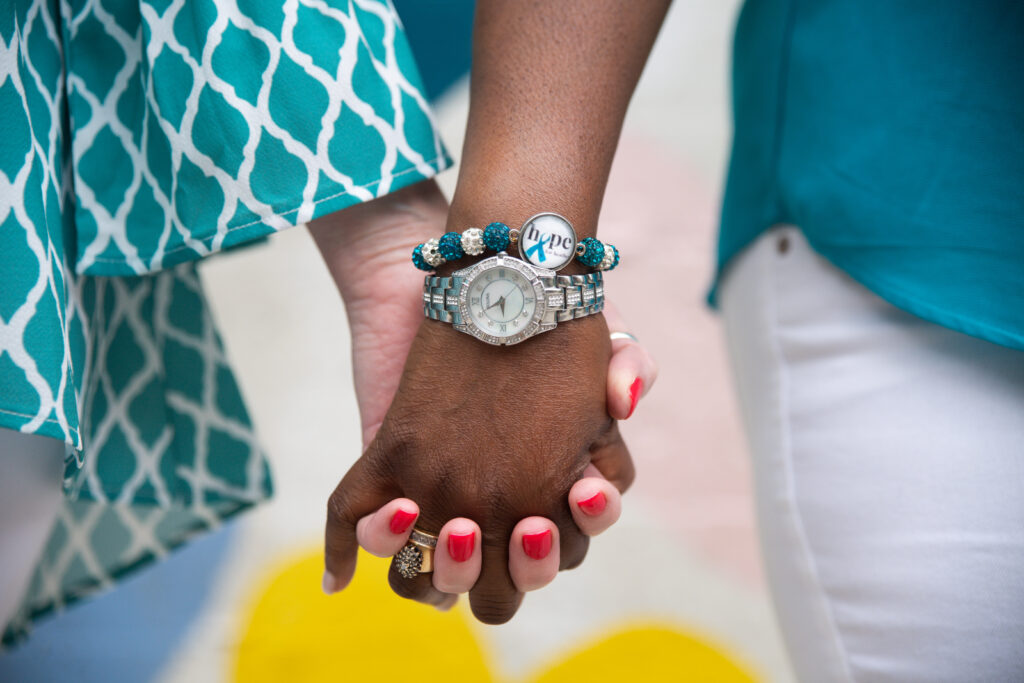
But I still craved in-person connection. So I started leaving bracelets at treatment centers, each with a note reminding fellow warriors that no one fights alone. Many of those connections grew into friendships, advocacy partnerships, and sisterhoods.

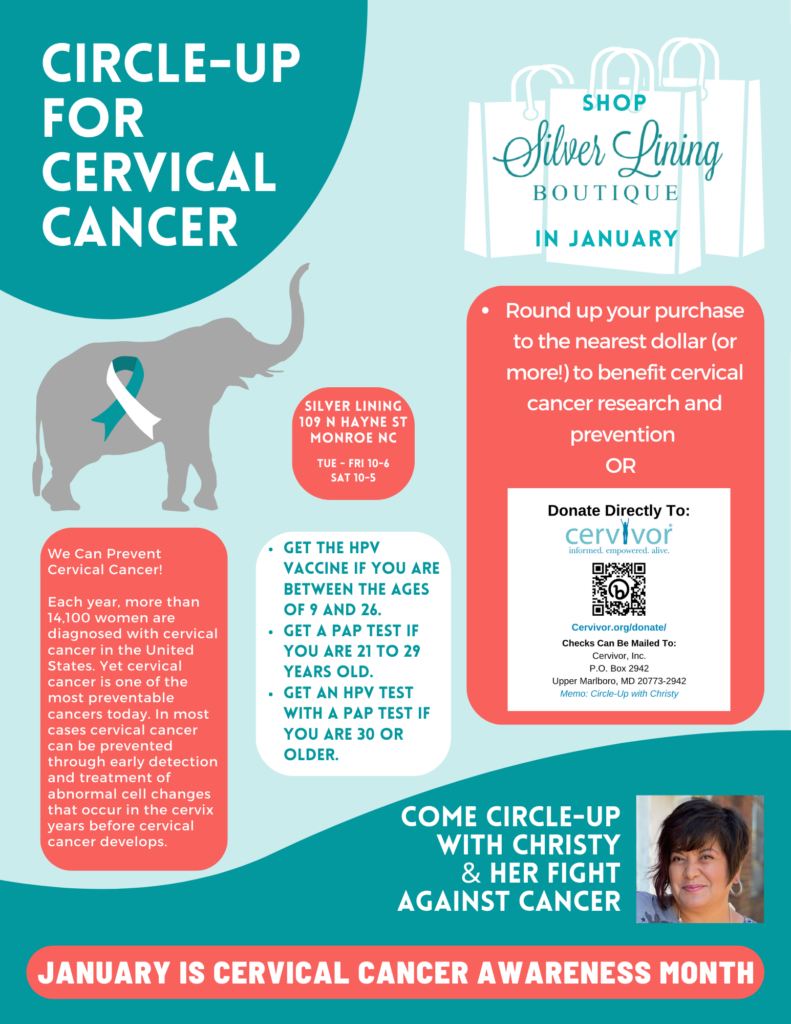
In January 2023, I hosted my first cervical cancer fundraiser, Circle-Up with Christy. That same month, I attended the Cervical Cancer Summit virtually and realized I wanted more than survival—I wanted to advocate. I could fight for others while fighting for myself.

After countless treatments, surgeries, side effects, and setbacks, I received the words every cancer patient dreams of hearing: N.E.D.—No Evidence of Disease in May 2023. My many circles celebrated together.

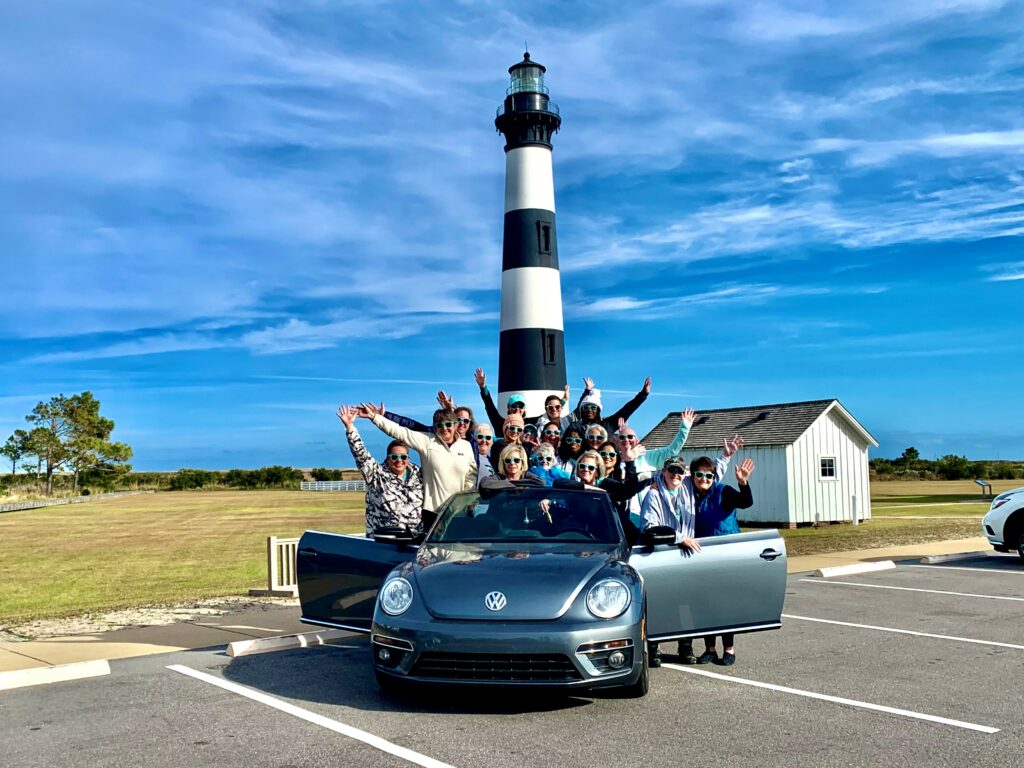
In August 2023, I added another circle to my family when I was chosen to attend a Teal Diva Retreat. It was my first time spending extended, intentional time with other gynecologic cancer survivors and thrivers—and it was truly life-changing. I formed deep friendships and experienced a level of sisterhood I had never known before.

So much happened in the mountains that weekend, but as they say, the first rule of the retreat is: don’t talk about the retreat (if you know, you know).

Since then, I have remained an active participant in Teal Diva events and was later honored with the opportunity to facilitate at another retreat—an experience that felt both humbling and full-circle.

In September 2023, I attended Cervivor School in Seattle, where I was trained in storytelling for advocacy. Soon after, I successfully submitted proclamations declaring January 2024 Cervical Cancer Awareness Month at both the county and state level—standing proudly before my community to use my voice for change.

People joke that cancer is “the gift that keeps on giving.” But the truth is this: cancer gave me a community. A fierce, compassionate, unstoppable circle of women I now call family.

My advocacy logo is an elephant with a cervical cancer ribbon, inspired by this truth:
When female elephants sense danger, they circle up—protecting the vulnerable, masking weakness, and standing guard with fierce love.

There is always room in my family for more elephants.

Story written by: Christy Chambers | photo credit: Molly Dockery Photography

Uncategorized

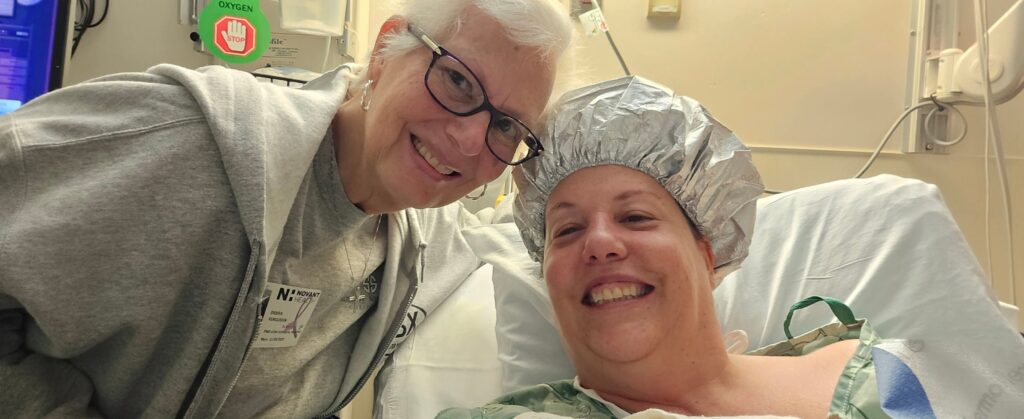
Ellyn and Debra first met through a social meetup, unaware that their brief introduction would grow into a meaningful bond. In October, both women were selected to attend the Teal Diva Retreat—an experience designed to create a safe, nurturing space where attendees can heal, build lasting friendships, and develop vital support networks.

When Debra learned that Ellyn was facing surgery alone, she didn’t hesitate. Debra and her husband arranged to pick Ellyn up and take her to the hospital, and Debra stayed by her side throughout the entire day—waiting during the procedure, taking careful notes during the post-surgery consultation, and ensuring Ellyn made it home safely.

What began as a simple introduction became a powerful example of connection, compassion, and the life-changing impact of community.

“I have a beautiful share of what all of the Teal Diva sisters are capable of and are able to give one another when in need. This bright shining star Debra Ferguson was part of our retreat. She lives in a different town than me, but that didn’t stop her in my time of need. She took the time to sit with me during my most recent surgery.” – Ellyn

What a great example of a little lift – small acts of kindness that “lift” a woman’s spirits, reminding her she’s not alone in her journey. Little Lifts are just one part of Teal Diva’s Sisterhood Series. The Sisterhood Series is where we meet outside the clinic — a space for connection, laughter, and healing through shared experience. It’s about rediscovering yourself, building friendships, and remembering that joy still exists, even in the midst of cancer. It encompasses Art Therapy, Eco Therapy, Social Meetups, Little Lifts and Hope Notes.

In this giving month of December, let us remember that the most meaningful gifts are not always material. The gift of oneself—of time, presence, and compassion—is often the greatest gift of all. This simple act of kindness became a powerful reminder that community truly changes lives, and that sometimes the deepest healing comes from knowing someone genuinely cares. Connection is the best medicine.

Learn More About Teal Diva Programs

Uncategorized

by Cheryl Van Allen

When Teal Divas posted their Facebook Question “I’m not just a survivor, I’m a ___________” I was hesitant to respond.  All the other posts were ones of encouragement and strength.  These women, these strong, resilient women, women like me who are now or in the past having to face down this beast of a disease, this silent killer, posted “I’m not just a survivor, I’m a thrived, a warrior, a woman of faith, an advocate.”  And that is USUALLY the type of post I would make, too!  It is in my nature to be “glass half full.”  But I wrote what I was feeling in that moment.   “I’m not just a survivor but I am a-fraid.”

My name is Cheryl Van Allen, and I’m a Warrior who has been battling Stage IIIC Ovarian Cancer for three years.  I have high grade serous carcinoma, am platinum resistant and am about to start my 4th line of defense in 3 years. 

During those three years and 3 lines of defense, I’ve had a massive debulking surgery, 2 allergic reactions to drugs that ended up with an epi-pen (or two!) and ER visits.  I’ve had to have cataract surgery due to side effects, and had a full 6 treatments of a drug I’m allergic to via a process called desensitization, which meant being hospitalized for the infusions overnight.  It has been a long, bumpy road with MANY MANY days and nights of fear, sadness, disbelief, devastation and sickness, plus all the other fun side effects like baldness and neuropathy, just to name a couple.  There were days I never left my pj’s, just sat in a rocker and read, did NYT puzzles, watched comedy movies to make me laugh and texted with friends.

But those three years have also brought SO MUCH LOVE and some GREAT adventures.  I was humbled by the support of friends, far and near, who cooked for us or sent us gift cards, who sent snail mail, text messages, gifts both wonderful and silly, and MUCH needed prayers for me, my husband and my now 25 year old son.  My husband has been my absolute ROCK – taking me to all my treatments and appointments.  I am BEYOND grateful for these people, and the amazing team who has kept me alive for these past 3 years!   

My husband and I have traveled more than we had our whole lives in these past three years, some alone, some with family, some with friends – Key West, NYC, New Orleans, Ocean City, a two week trip of a lifetime to Italy and France, and most recently, Seattle.  I even did my very FIRST solo trip to NYC, which was SO freeing and empowering!!  We’ve had so many moments of sheer joy experiencing new places, cultures and meeting people along the way, as well as spending treasured moments with friends and family.

Normally, I write about joy, gratitude and encourage others to LIVE their lives to the fullest.  But on the day Teal Divas posted that question in FB?  I had just gotten bad news – my genetic testing came back with no matches to trials, my cancer was back and tumors were all growing (I can actually feel one, which is SO scary) and I was facing down a lessening number of options for treatment. It was starting to feel like the chapters in the book of my life were coming to a close.  THAT was why in that moment, I chose to write:

“I’m not just a survivor – I’m a-fraid.  Afraid that they will run out of treatments to keep me alive while we pray for a cure.  Afraid of leaving my son and husband mother/wife-less.  Afraid of not having more time.  But fear won’t stop me…just makes me take time to process before I pivot.”

“I FIGHT so I can LIVE, for myself and my family and friends.” 

I have since processed all this news and pivoted to “we have a plan, let’s kick the beast’s butt!”   I am back to “I FIGHT so I can LIVE, for myself and my family and friends.”  I am back to “I fight because this drug may be the one, or at LEAST the one that keeps me alive till they FIND or MAKE the one!”  That is the person I am, 95% of the time.

But there is that other 5% – and I believe transparency is incredibly important.  We shouldn’t have to fake it to make it, to put on a happy face all the time.  People need to know how scary this is for us, that the emotional toll is as challenging as the physical.  We are not always feeling like warriors.  Sometimes, no matter how much people tell us we are not alone?  We really are – inside our heads, with our scary thoughts, alone.  No one can truly understand – except other survivors and warriors. 

Thank you, Teal Diva, for giving us a place to encourage, a place to trumpet success, but also a place to be transparent, to feel seen, and for giving us the opportunity to support or be supported by other survivors and warriors.

Uncategorized

For cancer survivors, a trusted primary care doctor isn’t just another name on a chart—it’s a vital partner in long-term wellness. When your long-time physician retires, it can feel unsettling. The good news: with preparation, organization, and the right tools, you can smoothly transition to a new healthcare provider who understands your history and helps you thrive.

What Matters Most

When your doctor retires, start by gathering your medical records, organizing insurance documents, and identifying doctors familiar with cancer survivorship care. Use digital tools to share health information securely. Interview potential doctors, verify credentials, and trust your instincts before committing.

Why Choosing the Right Primary Care Doctor Matters

Cancer survivors often require more coordinated care—monitoring for recurrence, managing side effects, and addressing emotional health. A new physician must understand these layers of care and communicate effectively with specialists, nutritionists, and mental health professionals.

Organizing Your Medical and Insurance Records

Before meeting potential doctors, ensure your medical information is complete, clear, and easily shareable. Store treatment summaries, medication lists, and insurance documents in one accessible location.

If you have large or complex medical files, using a tool to split PDF documents allows you to quickly divide large files into smaller, topic-specific sections—like lab results, imaging, or oncology notes. Once you’ve separated the pages, you can rename and share them with new doctors, specialists, or caregivers as needed.

Pro Tip: Keep both printed and digital copies of your core medical documents. Back up digital versions to secure cloud storage platforms such as Google Drive, Dropbox, or Microsoft OneDrive.

Steps to Find the Right New Doctor

StepActionPurpose
1. Ask for referralsContact your oncologist, nurses, or patient navigatorThey know doctors experienced with cancer survivors
2. Check your insurance provider listVisit your insurer’s websiteEnsures your new doctor is covered under your plan
3. Review professional credentialsLook up physicians on Healthgrades or AMA Doctor FinderVerify board certifications and patient reviews
4. Schedule consultation callsDiscuss experience, communication style, and philosophyEnsures compatibility and shared values
5. Transfer records earlyContact your old office before it closesPrevents information loss or gaps in care

Checklist: Before You Meet Your New Doctor

  • Updated medication list
  • Cancer treatment summary (ask your oncologist for one)
  • Latest imaging and lab reports
  • Health insurance card
  • Emergency contacts
  • Questions you want to ask

Keep this checklist stored in your patient portal or a note-taking app like Notion.

How-To: Prepare for Your First Appointment

  1. Research your new doctor
    Read reviews, clinic information, and office hours.

  2. Bring all essential records
    Print or securely email recent test results.

  3. Share your survivorship goals
    Explain ongoing symptoms or concerns.

  4. Discuss communication preferences
    Ask how to reach your doctor between visits (portal, email, or phone).

  5. Plan follow-up steps
    Schedule your next visit or referrals immediately.

For additional structure, explore American Cancer Society Survivorship Care Guidelines for templates you can use to communicate with your new provider.

Tips to Make the Transition Easier

  • Keep your records portable: Store a summary of your treatment on a flash drive or secure cloud folder.

  • Review your medication list regularly: Use a health app like MyChart to keep medications up to date.

  • Verify clinic accessibility: Consider distance, parking, and telehealth availability.

  • Confirm communication practices: Ensure your doctor offers online portals for appointment reminders and messaging.

  • Build a trust foundation: Discuss your priorities openly and set expectations early.

Product Highlight: A Tool That Simplifies Health Organization

If you’re managing multiple medical documents and records, Evernote can help you stay organized. You can scan, upload, and categorize your health information—like lab results, insurance cards, and medication lists—into secure, searchable notebooks. During doctor visits, quickly access important details or share updates without digging through paperwork.

FAQ

Q1: Should I tell my new doctor about my entire cancer history?
Yes—provide a full treatment summary and note any ongoing effects or medications. Context helps your doctor tailor care effectively.

Q2: What if my old doctor’s office already closed?
Contact your hospital’s medical records department or state medical board. Many retain files for several years.

Q3: How do I know if a doctor understands survivorship care?
Ask specific questions: “How often do you work with cancer survivors?” or “How do you coordinate care with oncologists?”

Q4: Is it okay to switch doctors again later?
Absolutely. Continuity matters, but so does comfort. If communication or care quality isn’t right, you can always make a change.

Q5: Are virtual appointments safe for follow-ups?
Yes, for routine check-ins or reviewing lab results. Verify your telehealth provider follows HIPAA-compliant standards.

Glossary

  • Primary Care Physician (PCP): A doctor who provides general health care and coordinates specialist care.
  • Survivorship Care Plan: A document summarizing cancer treatment and outlining follow-up care.
  • Health Portal: Secure online access for medical records, appointments, and communication.
  • Continuity of Care: Ongoing management of a patient’s health through consistent medical relationships.
  • Telehealth: Remote medical services using video or phone communication.

Losing a trusted doctor is never easy, especially after cancer treatment. But with preparation, digital organization, and the right partnerships, you can build a new foundation of care—one that keeps you healthy, informed, and confident about the road ahead.

Uncategorized


Glenda’s journey with ovarian cancer began with bloating, back pain, and unusual bleeding — classic symptoms of ovarian cancer that were dismissed for over a year. Today, she shares her story of how adversity inspired her to give back to the ovarian cancer community.  THANK YOU, Glenda, for sharing your story with us and your work to influence ovarian cancer in Australia! 

“I was told my symptoms were menopause. My doctor even said, ‘Oh, we all get aches and pains.’ I felt dismissed and ignored.”  

After finding a new doctor, Glenda learned she had Stage 4 epithelial high-grade serous ovarian cancer. “Hearing the diagnosis, I felt like the floor split apart, and I was falling, hitting the sides as I descended. My life would never be the same again.”  

Glenda knew that she couldn’t control the cancer, but she knew there were things that she could do for herself that would help with cancer, the treatments, and, of course, her mental health.   

“I juiced, walked to chemo, adopted a plant-based diet, meditated daily, and made art.  

Her message to women: “It is YOUR body. If something doesn’t feel right, keep going to doctors until one hears you. Go to 100 doctors if need be. Also, slow down. My life was crazy hectic, but now, I take time to look after myself. I don’t work as hard. I sit in my backyard and find contentment in watching the clothes dry in the breeze. I journal my thoughts and feelings. I enjoy life a lot more.” 

Now, 8 years into her survivorship, Glenda works as an ovarian cancer ambassador with the OCRF in Australia. She shares her story widely, reminding us: “I’m not scaring people, I’m awaring them.”  

“If my doctor had acted on my first symptoms that had appeared back in 2016, my cancer would have been diagnosed at a much earlier stage. Yes, I am alive and well now. But being diagnosed earlier would have prevented me from experiencing physical pain for so long, and maybe my treatment may have been less severe.”  

“Women have been ignored for far too long,” Glenda concludes. “Our bodies are temples and are precious beyond words. Value yourselves and persist when things don’t feel right. You are the captain of your own ship.”  

My work with OCRF has taken my face around Australia, my home, for the annual “Frocktober” event in the form of billboards, posters, and some good old-fashioned community awareness. This event is a wonderful fundraising event where people wear dress-ups, including their favourite frock. I have also participated in a stair challenge in Melbourne, where I climbed 1800 stairs to raise funds and awareness! This year, in August, I spoke and shared my story at the Cancer Summit in Sydney, which was a great privilege! I love being an ambassador as it’s fun, but ultimately, it allows the public to donate funds for research, along with reading up about all things ovarian cancer. This can only increase the intensity of research and knowledge, along with HOPE for all women experiencing ovarian cancer, now and in the future. A screening test is just around the corner, which is a fantastic prospect! 


Check out more survivor stories on the Teal Diva blog!
Learn More about OCRF Australia, and the work they are doing!

Uncategorized

I’ve heard the words “you have cancer” twice in my life, once for myself in 2021 and again in 2025 with my mom.  I never thought my own battle with cancer would be in the lessons learned and used to help guide my mom through her battle.  My journey afforded me the opportunity to help guide my mom’s cancer journey. Although our diagnosis was different, we both had “cancer”. I have been in Georgia for over a month, attending every appointment and trying to help my mom take some of the responsibility off my brother.   

I understand the nuances of navigating healthcare and cancer care.  I’ve been able to ask the hard questions and make appointments because a diagnosis is a full-time job.  A full-time job that no one can truly prepare you for, but in my case, I’ve been able to help my mom process, understand, and navigate this journey.  Although having ovarian cancer is different from breast cancer, I am still learning more each day.  I don’t look at myself as a caregiver but more as an advocate for my mom, a buffer for issues, and help my mom understand a cancer diagnosis and how to navigate life. In difficult moments, I step back to clear my mind and make a plan before making decisions, whether I’m in the role of a patient, advocate, or caregiver.  My motto is “Take it an hour at a time, a day at a time if needed”.  I try to remind my mom of how she told me I could do this, and I was strong. Now I am reminding her of her words that have carried me through a lot of struggles.  The advice I would give to a caregiver is to live in the moment. You won’t get that time back.  

I always believe in HOPE. That’s been my word every year since February 13, 2021, at 3:45 pm, and I shared this word with my mom.  I lost my mom on July 31st, 2025. Although she did not make it, I hope the next ovarian cancer patient will.  Hope means to keep going and hope for a cure.  My mom raised me to become involved with politics.  I promised her I would continue sharing my story and now hers. I wake up hoping I can make her proud. 

-Lashelle 

Breast Cancer Patient Policy Advocate/Lobbyist 

This story is in memory of Rosalyn, Lashelle’s mom. 

Looking for Resources, Click Here

Uncategorized

By Claire Wentz

Feeling Whole Again: Everyday Wellness Strategies for Life After Cancer Remission 

Remission isn’t the end. It’s a new beginning you didn’t ask for — but now you’re living it. There’s no parade, no guidebook, just a quiet return to routines that somehow feel unfamiliar. You might look fine on paper, yet still carry questions that can’t be scanned for. That’s okay. Healing is nonlinear. This isn’t about “getting back to normal” — it’s about building a rhythm that makes space for how far you’ve come. Below are some tactile, no-fluff ways to enhance your well-being without burning out your bandwidth. 

Start the Day with Grounded Energy 

You don’t need a bootcamp morning. You need one that doesn’t betray your body. After remission, energy might feel inconsistent — some days you’re wired, other days you’re sandbagged by invisible fatigue. The goal isn’t to outsmart it but to reset gently. A morning routine with hydration before screens or caffeine can cue your nervous system toward regulation instead of reaction. Stack in sunlight, five quiet breaths, and something tactile — a hot washcloth, a soft shirt — to reconnect to the physical world before it starts demanding from you. 

Eat to Be Alive, Not Measured 

Food during and after treatment often carried transactional weight: calories for survival, proteins for repair, ingredients to decode. Now, you get to eat with less math and more freedom. This means slowly returning to trusting hunger and fullness cues rather than overanalyzing every bite. It’s not about perfection or purity — it’s about peace. You may need to reintroduce joy to your plate: something crunchy, nostalgic, or just messy. And that’s not indulgent — it’s biological sanity. Let meals nourish your identity, not just your metrics. 

Move to Meet Your Mood 

Forget “getting back in shape.” That old fitness framing is punishing and pointless. Post-remission bodies don’t always follow the same output rules. But what they do crave is circulation — blood, breath, momentum. Movement doesn’t have to be programmed to be potent. It’s a tool to modulate emotion, metabolize worry, and reclaim agency. Even short sessions can surprise you with how they boost emotional resilience, especially when done outside routine. You’re not trying to outperform — you’re trying to feel things move again. That counts. 

Reclaim Direction Through Professional Growth 

After remission, some days feel aimless — like your calendar lost its stakes. That’s why revisiting long-term aspirations can help anchor your forward motion. Structured learning with a master of business administration online builds more than credentials: it sharpens strategic decision-making and financial analysis — both of which strengthen your ability to evaluate options and lead your life with intention. You’re not hustling for status; you’re choosing rhythm and mental engagement on your own terms. When your identity gets rebuilt by choice instead of circumstance, healing takes on momentum. 

Don’t Let Scanxiety Steal the Week 

You mark the calendar. You pretend you forgot. You feel it in your stomach days before. The scans that once saved your life now hold it hostage. “Scanxiety” isn’t irrational — it’s an embodied memory. You can’t logic it away, but you can develop distraction and grounding techniques that soften its grip. Think hand-based activities (puzzles, kneading dough, clay), structured conversations, or forward-scheduled tasks that claim your attention. You’re allowed to compartmentalize — that’s not denial. It’s survival architecture. 

Watch for Leaks in Social Energy 

Everyone’s relieved, and so they talk louder. They say you’re back. You’re not. Social energy post-treatment doesn’t refill the same way, and some conversations hit like sandpaper. Reclaiming your capacity starts with noticing who drains you — and who doesn’t. Let yourself connect with other survivors who won’t flinch at your language or your lulls. Social rest is a real category. It doesn’t mean isolation. It means choosing presence over performance. If a text feels like work, wait. That pause is intelligence, not guilt. 

You Don’t Owe Anyone a Grand Narrative 

You don’t have to “make sense” of everything. Some parts of your story don’t resolve, and some might never feel empowering. That’s not brokenness. That’s honesty. Closure doesn’t arrive on a timeline — it emerges in traces. You might express feelings through journaling, creative rituals, or micro-reflections that no one else reads. The pressure to package your experience into something motivational is a trap. Let ambiguity breathe. What you’ve survived already is the meaning — it doesn’t need a caption. 
Remission is a threshold, not a finish line. It asks you to build from pieces that don’t always fit neatly — a mix of gratitude, grief, and unfinished rewiring. There’s no one blueprint for how to feel “whole,” but there are daily movements that help you feel here. No optimization needed. Just small, human-sized adjustments that acknowledge the full terrain of your recovery — cognitive, emotional, cellular. You don’t have to do it all. But if something in your day today feels more like you, that’s the work. That’s the win. 
Join the Teal Diva community to connect with a sisterhood of strength, support, and empowerment for those impacted by gynecologic cancer, and discover how you can make a difference today! 

Uncategorized

We’re closing this series with a powerful collection of survivor voices—each one a testament to strength, resilience, and hope.

Survivors were invited to finish this sentence: “I’m not just a survivor, I’m a ________.” 

Their words bring the conversation full circle, celebrating life beyond cancer and the many ways survivorship can be defined.


Advocate

Advocate

Human

A person who cares. No one knows what it is like to go through this better than someone going through it.

New person

A person who cares. No one knows what it is like to go through this better than someone going through it.

Diva

Strong woman trying to make great memories with my family. Take one milestone at a time and achieve it!!!

I’m a mom. I’m a career woman. I’m just another human trying to live life for the first time, just like everyone else.

Warrior!

Lover of life

Fighter. Warrior. I’m alive.

Testimony to His greatness

Wife, Mom, Daughter….I am so many things, but those are the most important to me.

Cancer fighter

Badass

Thriver!

Fighter

Warrior!

Thriver and living my best life!

I’m not just a survivor, I’m a (coming up blank here. I’m lots of things, but it’s hard to put in one sentence). All our life experiences shape us into the person we are today. Cancer has definitely shaped me as well, but I would say it’s mostly shaped me in positive ways. I can be thankful for my cancer because I survived it. I’m not sure I’d be so thankful if I were still fighting it or if I thought it was terminal. It’s been over 6 years since diagnosis, and I am thankful I went through it so I can have more zest for life and appreciation for living. I was excited to turn 40, because not everyone gets to that milestone! Now I’m coming up on 45 🙂
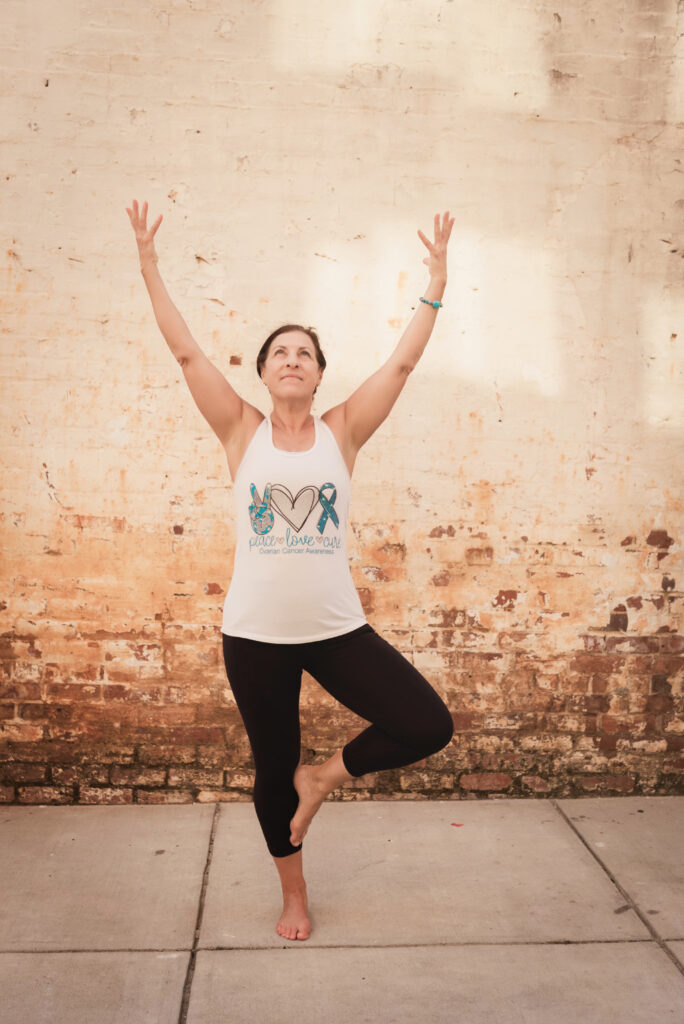
Woman who cares.
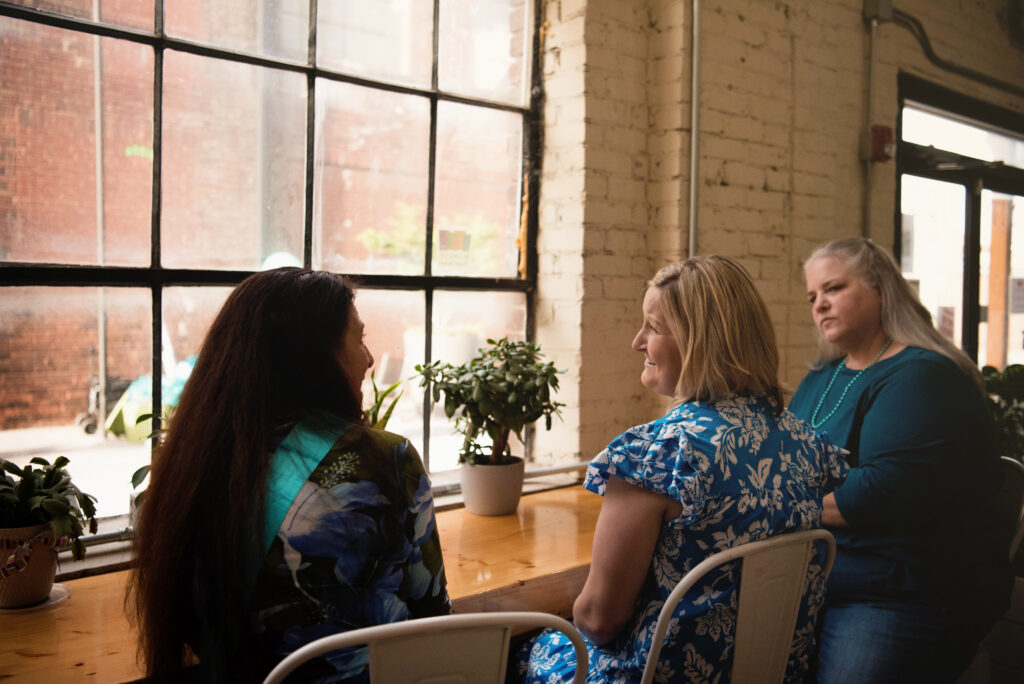
Bebe to three precious humans (soon to be four!)

I’m not just a survivor, I’m proof that God’s not finished.

Living testimony and a fighter until the end.

  • 1
  • 2
  • 3
  • …
  • 6
  • Back

Copyright © 2026 · Genesis Framework · WordPress · Log in

  • About Teal Diva
  • Resources
  • Yes Girl!
Teal Diva Logo Gynecologic Cancer Support

1135 Four Lakes Drive, Suite E
Matthews, North Carolina 28105

  • Events
  • Get Involved
  • Make A Donation

Teal Diva is a not for profit, charitable organization formed under Section 501(c)3 of the U.S. Internal Revenue Code. Donations to Teal Diva are tax-deductible as charitable contributions for US federal income tax purposes. There are no donation limits or restrictions on contributions to Teal Diva.
Tax #: 80-0584066

© Teal Diva 2025 | Donor Privacy Policy | Website Design & Development by Yellow Duck Marketing | Branding created by Hibiscus Brand Management