

By Claire Wentz
A cancer diagnosis reshapes every part of life — body, mind, and spirit. Self-care in this journey is not about perfection or relentless positivity; it’s about gentleness, presence, and honoring your needs. Caring for your whole self can support healing, resilience, and a deeper sense of peace, even amid uncertainty.
Key Takeaways
- Small, intentional acts of self-care create big shifts in wellbeing.
- Spiritual wellness—whatever that means to you—can restore strength and calm.
- Nutrition, movement, and rest should adapt to your energy and treatment plan.
- Setting boundaries, saying “no,” and finding community help protect emotional balance.
- Mindfulness and gratitude can turn daily moments into sources of healing.
Nourishing the Body with Compassion
What you eat during treatment matters less than how you approach nourishment. Focus on gentle foods that comfort and strengthen: whole grains, fruits, vegetables, and plenty of hydration. Some people find that small, frequent meals help manage nausea and fatigue.
If you’re unsure what’s safe or helpful, consult a dietitian who specializes in oncology. Listening to your body (not comparing it to others) is the most compassionate approach.
The Power of Movement
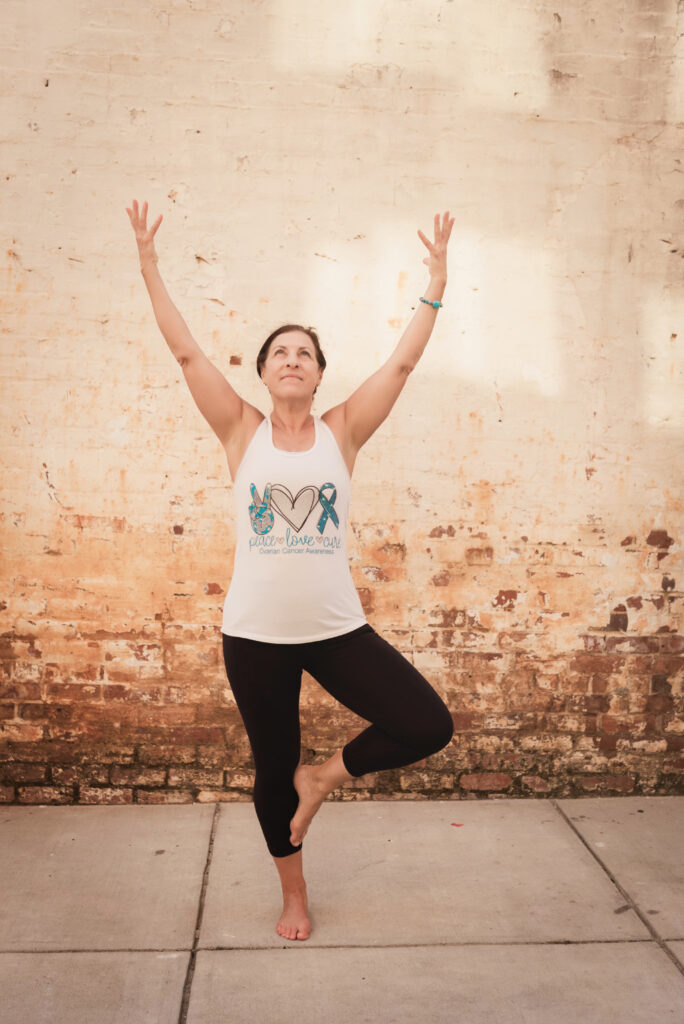
Exercise can be a grounding form of care, even in small doses. Walking around the block, stretching in bed, or practicing gentle yoga can reduce fatigue, improve mood, and help with sleep. Before starting or adjusting an exercise plan, talk with your healthcare provider. The goal isn’t intensity. Instead, it’s presence.
Managing Stress Through Stillness and Breath
Cancer brings emotional weight: fear, anger, uncertainty. Mindfulness, meditation, or deep breathing offer a way to quiet that inner noise. Even five minutes of slow, intentional breathing can lower cortisol levels and create a sense of steadiness.
How to Begin Mindful Breathing:
Repeat for several cycles, allowing thoughts to drift without judgment.
Find a comfortable position.
Inhale for a count of four.
Hold briefly, then exhale for a count of six.
Spiritual Grounding: Finding Meaning and Connection
Spiritual wellness isn’t about religion unless you want it to be. It’s about connection to yourself, to others, and to something larger than your diagnosis. Some people find comfort in prayer, others in nature, art, or journaling. Lighting a candle, listening to sacred music, or writing a daily gratitude note can create small moments of transcendence.
Here’s one approach to reconnecting with spiritual strength:
| Practice | Purpose | Example |
| Journaling | Clarifies emotions and releases worry | Write “What am I learning from this moment?” |
| Prayer or Affirmation | Invites peace and hope | “May I be gentle with myself today.” |
| Time in Nature | Restores calm and presence | Sit outdoors and notice your breath and surroundings |
The Strength of Boundaries and Support
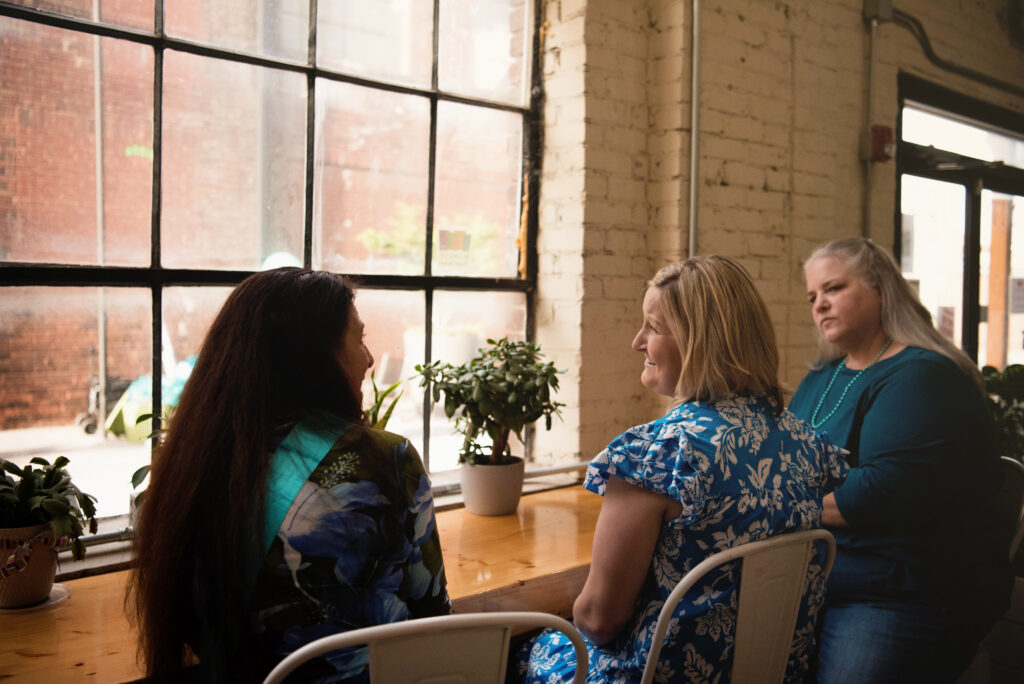
Learning to say “no” is a vital part of self-care. Declining extra commitments allows space for healing. Share openly with loved ones about what support helps most — whether that’s meals, company, or quiet.
How to Build Your Support Circle:
- Identify three people you can call when you need comfort or practical help.
- Join a cancer support group in your community or online.
- Ask one trusted person to help manage updates or appointments when you’re tired.
Caring for Your Inner World
Self-care is not just about the physical; it’s about the emotional and spiritual landscape within you. Create a ritual of peace — morning tea, soft music, or a nightly gratitude reflection. These simple actions reinforce that you are more than your diagnosis.
Keeping Track of Your Health and Records
Staying organized can help you feel empowered in your care journey. Maintain a digital or paper file of your test results, medications, and treatment notes so that you and your care team always have access. Saving these records as PDFs keeps them consistent and easy to share. You can also try this simple tool to convert files to PDF with ease.
Daily Practices for Whole-Self Care
To anchor wellness in your day, try these gentle actions:
- Drink water regularly, even when not thirsty.
- Eat something fresh and colorful once a day.
- Rest without guilt — naps are medicine.
- Step outside for sunlight or fresh air.
- Repeat an affirmation: “I am allowed to rest and heal.”
- End your day with gratitude for one small good thing.
The Heart of Healing: Staying Positive Without Pressure
Staying positive doesn’t mean ignoring pain or fear. It means allowing those emotions while still noticing moments of joy, beauty, and connection. Resilience grows when we make space for both hope and honesty.

Frequently Asked (and Deeply Felt) Questions
These questions often arise for people navigating cancer and self-care:
1. How can I balance treatment demands with personal time?
Start by scheduling recovery days after treatments. Protect your rest the way you’d protect an appointment. Delegate errands or ask loved ones to handle small tasks.
2. What if I feel disconnected from my old spiritual beliefs?
It’s normal to question faith or meaning during illness. Explore new expressions — reading poetry, talking with a chaplain, or meditating outdoors. Allow your spirituality to evolve naturally.
3. Is it selfish to prioritize my needs over others’?
Not at all. Healing requires energy and attention. Meeting your own needs first allows you to give from overflow, not depletion.
4. How do I talk to friends who don’t know what to say?
Let them know honesty is okay. You might say, “I don’t need answers — I just need your presence.” Many people appreciate clear guidance on how to help.
5. Can mindfulness really reduce treatment anxiety?
Yes. Research shows that mindful breathing and grounding techniques can lower stress hormones and improve sleep, making treatments easier to tolerate.
6. What’s one thing I can do when everything feels overwhelming?
Pause. Place your hand over your heart, take a slow breath, and remind yourself: “I am safe in this moment.” Simple grounding can bring calm even in chaos.
Conclusion
Healing is not linear, and self-care isn’t a checklist to complete. It’s a rhythm — of rest and action, connection and solitude, hope and acceptance. Each act of care, no matter how small, is an act of courage. You are not alone on this path, and every gentle choice you make in your own favor is a form of healing.