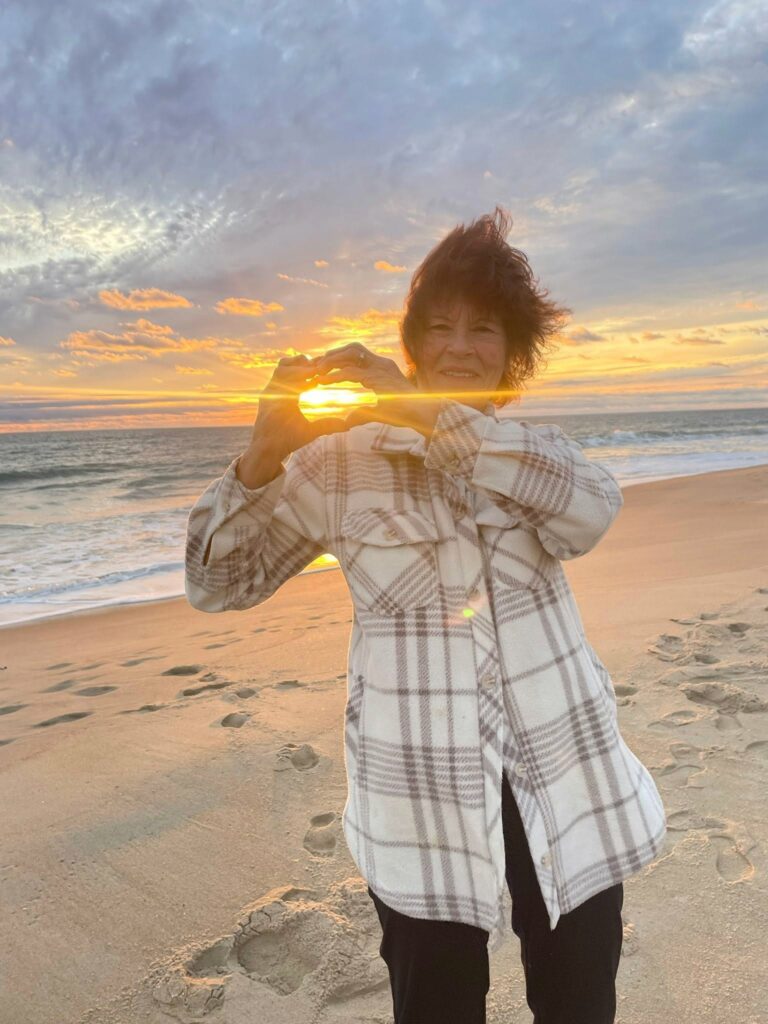

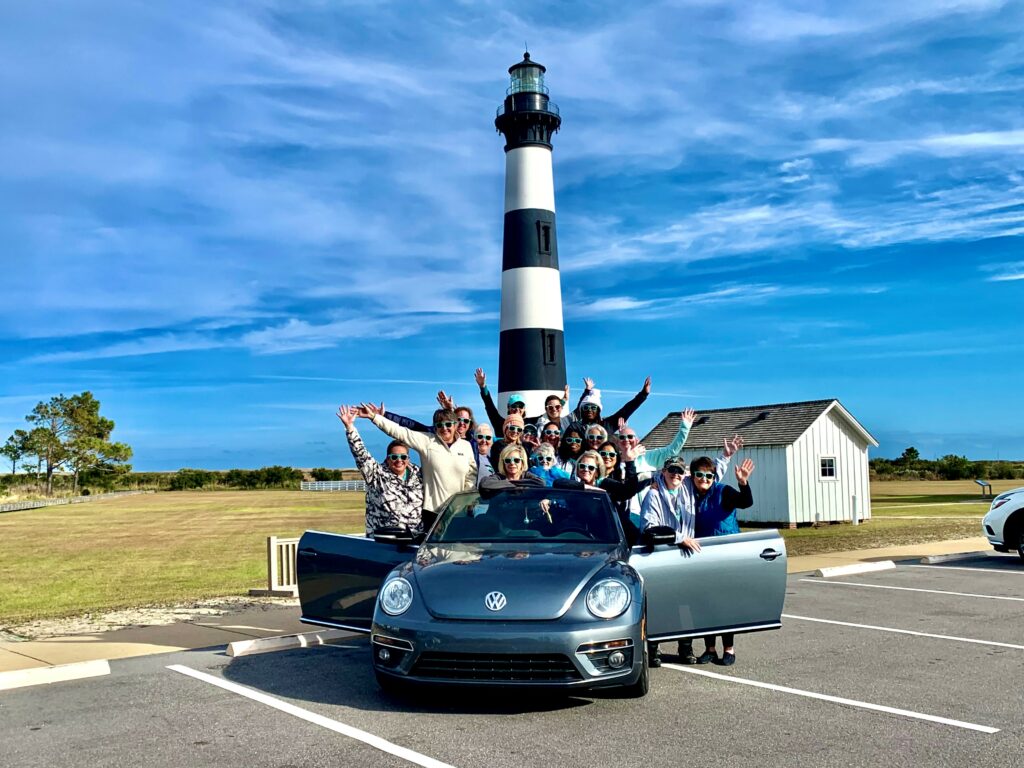
Cancer survivors often describe vacations as a rare time when they feel lighter, more present, and more connected to themselves. The destination may play a role, but the deeper reason usually has less to do with the location and more to do with how time, attention, and priorities shift while away from everyday demands.
After cancer treatment, many survivors become acutely aware of how precious energy, health, and meaningful experiences truly are. Yet once routines return, it’s easy to fall back into schedules, obligations, digital distractions, and stress that make everyday life feel disconnected from the sense of balance often experienced while traveling.
The good news is that you don’t have to wait for your next trip to experience more joy, calm, and renewal.
A Quick Snapshot
- Vacations often reduce decision fatigue and daily pressures.
- Novel experiences naturally increase mindfulness and presence.
- Everyday routines can become emotionally draining when they lack enjoyment or variety.
- Small changes can create many of the same benefits associated with travel.
- Intentional rest is just as important as productivity, especially for cancer survivors.
Why Vacations Feel So Different
When people travel, several things happen simultaneously.
Responsibilities often decrease. Work emails become less important. Household chores are temporarily paused. Daily schedules loosen.
At the same time, travelers tend to become more attentive to their surroundings. A walk through a new neighborhood, a scenic view, or a meal at a local café feels interesting because it breaks routine.
This combination creates a powerful emotional shift.
| Vacation Experience | Everyday Life Challenge |
| More spontaneity | Predictable routines |
| Fewer obligations | Constant responsibilities |
| New experiences | Repetition |
| Focus on the present | Multitasking |
| Time for enjoyment | Productivity pressure |
For cancer survivors, this contrast can feel even stronger. Recovery often brings a desire to fully engage with life, yet everyday responsibilities can sometimes pull attention away from that goal.
A Simple Reset Process
Rather than trying to recreate an entire vacation, focus on recreating the feelings vacations provide.
Step 1: Schedule enjoyment first
Many people plan work, errands, and appointments before considering activities they actually enjoy.
Reverse the order occasionally.
Place something meaningful on your calendar first—a walk in nature, coffee with a friend, an afternoon at a museum, or time spent reading outdoors.

Step 2: Create mini-adventures
Novelty helps the brain become more engaged.
Try:
- Taking a different route during a walk
- Visiting a nearby town
- Trying a new hobby
- Exploring a local park you’ve never visited
- Attending a community event
These experiences can trigger some of the same feelings of curiosity that make travel memorable.
Step 3: Protect recovery time
Cancer survivors often face ongoing physical or emotional fatigue.
Treat rest as a necessity rather than a reward.
Short breaks throughout the day can improve mood, energy, and resilience.
Step 4: Limit digital interruptions
Vacations often feel relaxing because they reduce constant notifications and information overload.
Consider creating device-free windows during meals, walks, or evenings.
Even thirty minutes of uninterrupted presence can have a noticeable effect.

Bringing More Beauty Into Everyday Moments
One overlooked way to create an atmosphere of escape is through creativity.
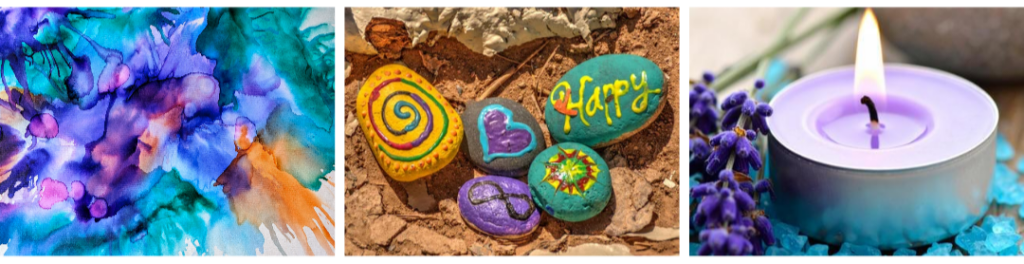
Visual reminders of meaningful places, favorite memories, or future adventures can help transform ordinary spaces into environments that feel more uplifting and inspiring. Creating personalized artwork based on peaceful destinations or memorable experiences can become a relaxing hobby while adding positive visual cues throughout your home. Tools such as Adobe Firefly’s AI graffiti generator allow users to enter a word, phrase, or idea and instantly create colorful graffiti-style artwork that can be customized for personal projects, decorations, or creative inspiration. You can learn more about the tool and explore different creative possibilities.
Small Rituals That Change How a Day Feels
Many vacation memories are built around simple rituals rather than major events.
Think about:
- Watching a sunrise
- Sitting outside with morning coffee
- Taking an evening walk
- Listening to music without multitasking
- Preparing a favorite meal
These moments may seem ordinary, but repeated consistently, they create emotional anchors that make daily life feel richer.
A Helpful Resource for Finding More Joy
Many cancer survivors benefit from intentionally cultivating gratitude, resilience, and emotional well-being. One evidence-based resource worth exploring is the Greater Good Science Center at UC Berkeley.
Their collection of articles, exercises, and research focuses on happiness, mindfulness, connection, and personal growth.
Resource: https://greatergood.berkeley.edu
The practical exercises can be especially helpful for building habits that support emotional recovery and everyday fulfillment.
Frequently Asked Questions
Is it unrealistic to expect everyday life to feel like a vacation?
Yes and no. Daily life will always include responsibilities. The goal is not to eliminate obligations but to intentionally incorporate more of the qualities that make vacations enjoyable: presence, rest, novelty, and connection.
Why do routines sometimes feel emotionally draining?
Routines can become draining when they prioritize productivity while neglecting enjoyment, creativity, social connection, and recovery.
Can mindfulness really help?
Many people find that mindfulness helps them notice positive experiences that might otherwise be overlooked. Even brief moments of intentional awareness can improve overall well-being.
What if I have limited energy after cancer treatment?
Start small. A five-minute walk, a quiet moment outdoors, or a short conversation with a loved one can provide meaningful emotional benefits without requiring significant energy.
Finding Balance Without Leaving Home
The feeling of being on vacation is rarely about the destination alone. More often, it comes from slowing down, paying attention, embracing enjoyment, and creating space to simply be present. Cancer survivors who intentionally weave these elements into everyday life can experience more balance and fulfillment between trips.