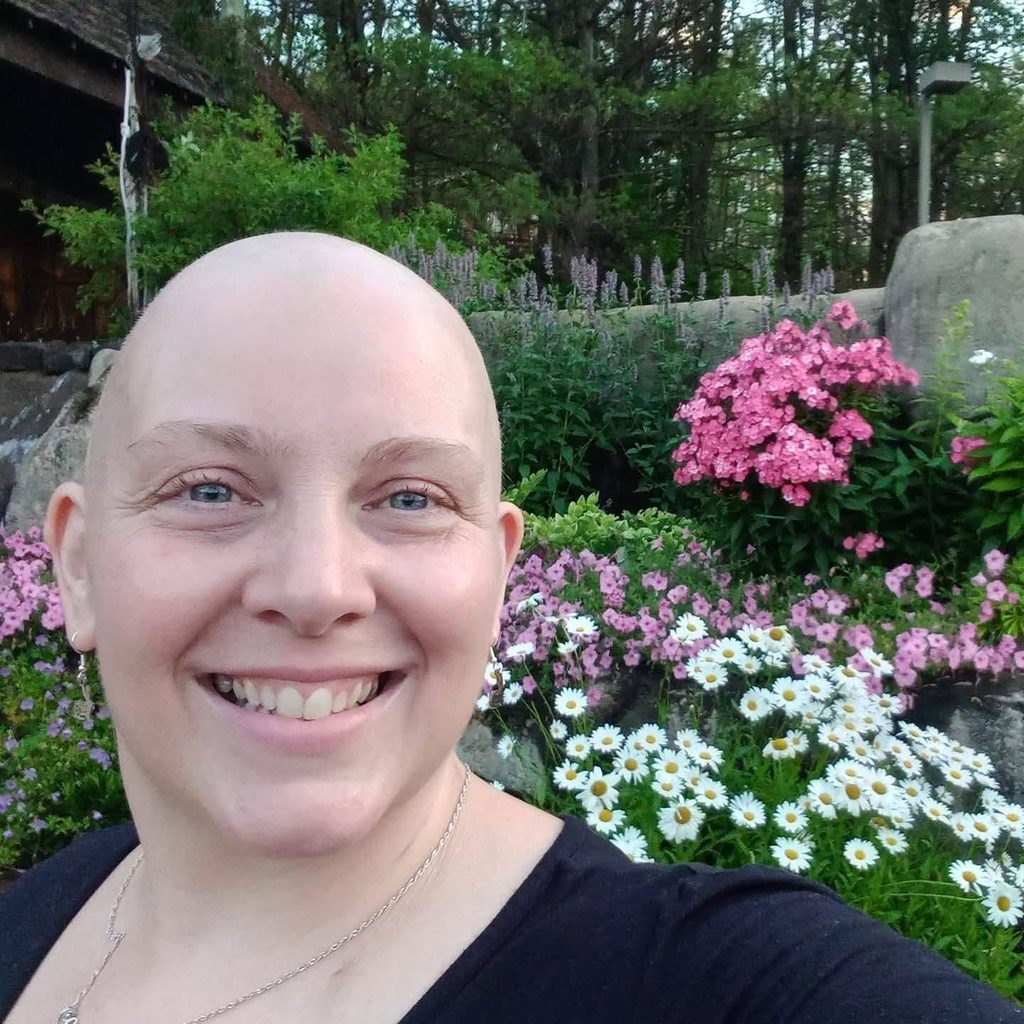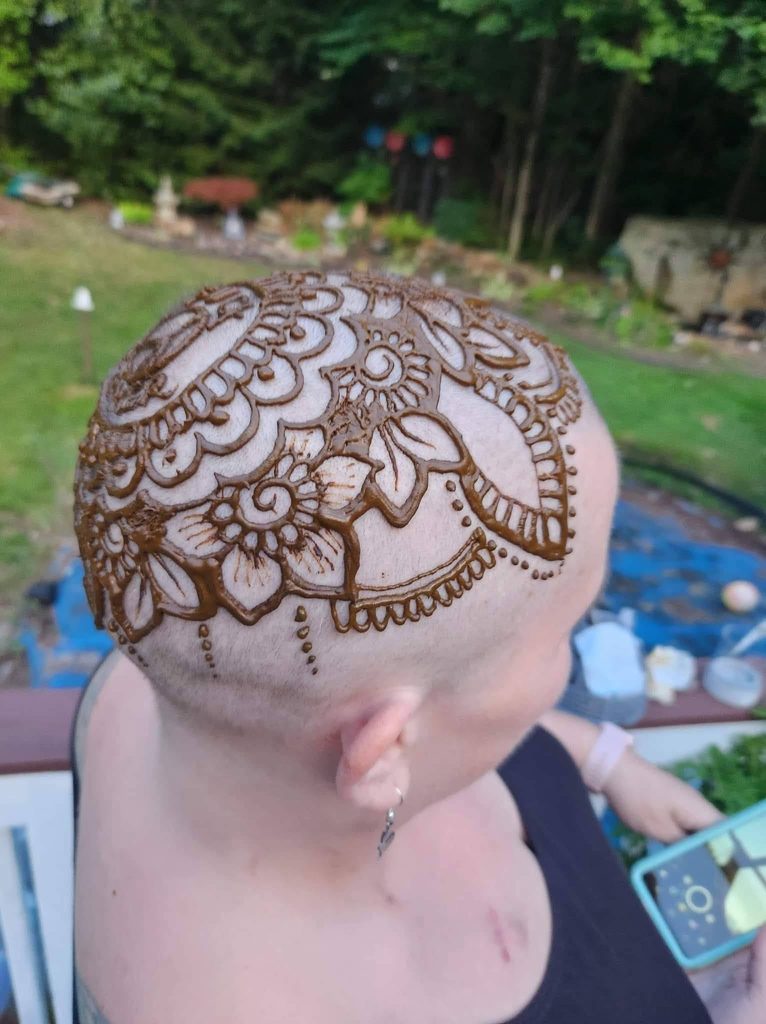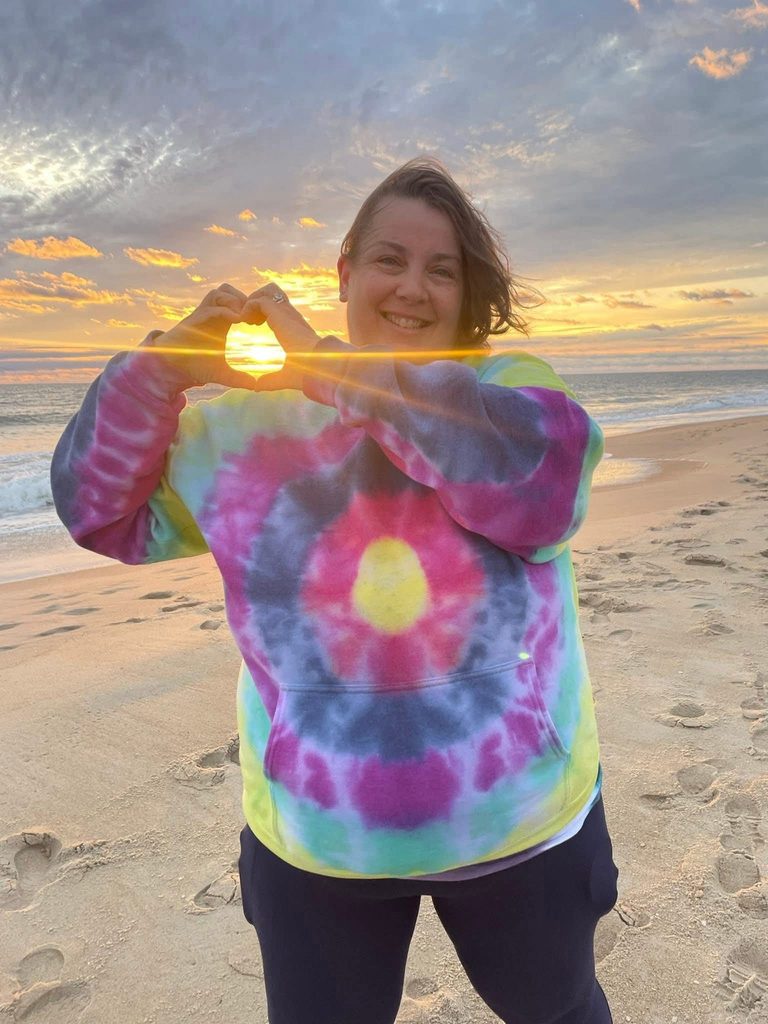

A diagnosis can tell you the type of cancer someone has. It cannot tell you who she is—or who she will become because she survived it.

Debra Wold was diagnosed with Stage IIIC high-grade serous ovarian cancer.
Those words tell us something important about Debra’s medical history. They tell us she faced an advanced ovarian cancer diagnosis and everything that came with it.
But they don’t tell us nearly enough about Debra.
They don’t tell us what it was like to live through treatment. They don’t tell us what her family experienced while watching someone they loved go through cancer. They don’t tell us what happens years later when an ordinary ache or pain suddenly doesn’t feel ordinary anymore.
And they certainly don’t tell us what Debra decided to do with everything that came after.
Because survivorship isn’t simply the story of what someone survived.
Sometimes, it’s the story of what she chooses to build from it.
A Week That Changed Everything
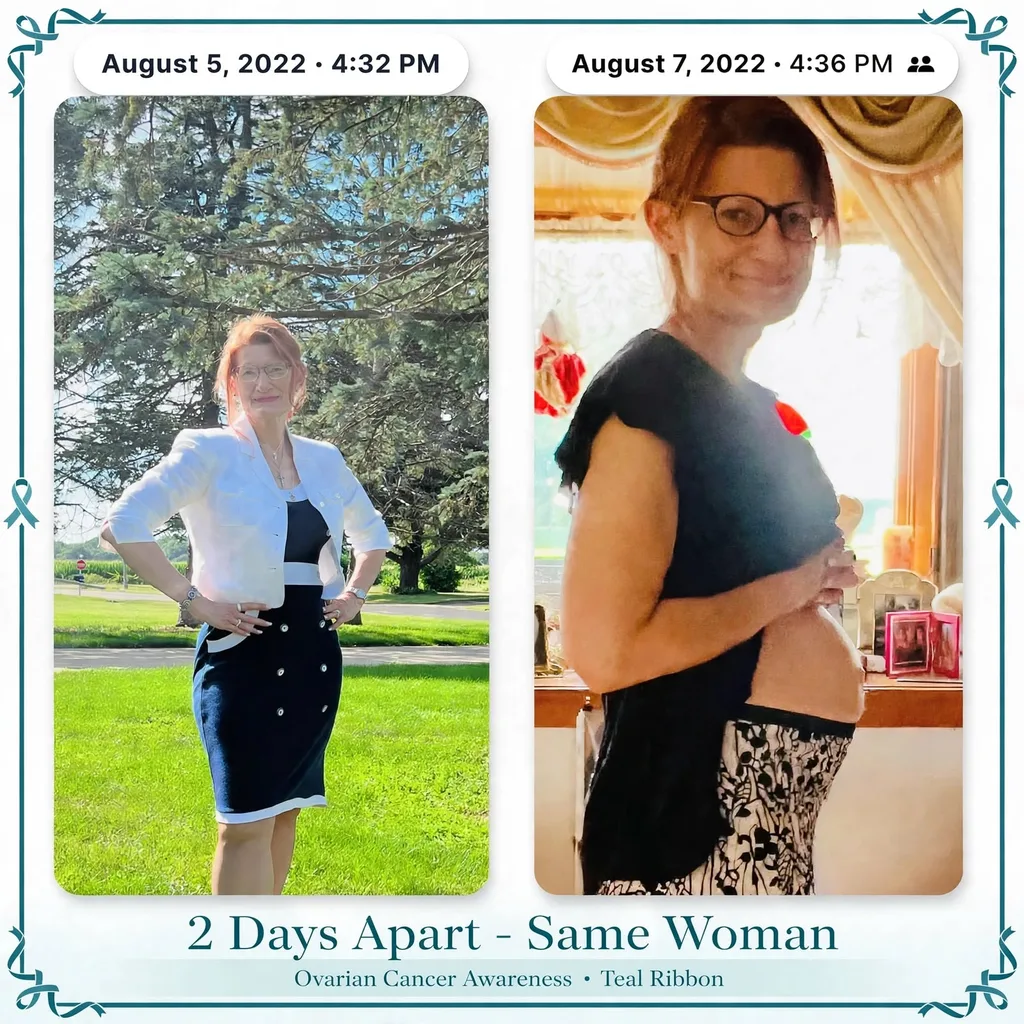
Debra’s diagnosis story began with a change so sudden that her family took pictures because they could hardly believe what they were seeing.
In August 2022, Debra went to bed feeling like a healthy, vibrant 56-year-old woman. The next morning, she woke up looking six months pregnant.
Inside her body, a 21-centimeter ovarian tumor had been growing silently.
Over the days that followed, her abdomen was in torsion and continued to swell. At first there was little panic and it was easy to hope that whatever was happening might simply resolve. Instead, the discomfort became unbearable. Debra made multiple trips to the emergency room and continued advocating for answers.

Eventually, doctors discovered that the tumor had twisted into torsion, pulling her internal organs out of place and creating a life-threatening emergency.
Debra needed immediate surgery. Within days, she underwent a full hysterectomy, removal of the 21-centimeter tumor, and extensive reconstruction to restore her organs. The diagnosis was Stage IIIC high-grade serous ovarian cancer.
She survived.
But that extraordinary week also helps explain something about the survivor and advocate Debra would become: she knows firsthand what it is like for a body to be telling you that something is wrong, to need answers, and to keep pushing until someone finds them.
Years later, the memory of what happened during those days hasn’t simply disappeared. It follows her into another part of survivorship that isn’t discussed nearly enough.
It also shaped the message Debra now wants women to hear before they ever receive a diagnosis:
“See something, say something.”
Ovarian cancer symptoms can be subtle, and there is no routine screening test that reliably detects ovarian cancer in people without symptoms. That makes knowing your own body—and speaking up when something changes—especially important.
Debra knew her body well enough to know that what was happening to her wasn’t normal. She kept asking questions and advocating for answers. That ability to recognize a change and speak up helped her advocate for the care she needed.
For Debra, “See something, say something” isn’t meant to create fear around every ache or change. It’s a call to pay attention. Know your body. Notice what is different. And if something doesn’t feel right, say so—and keep saying so until you feel heard.
Because when it comes to ovarian cancer, recognizing symptoms and seeking timely medical evaluation can matter.
The Fear Doesn’t Necessarily End When Treatment Does
There is a version of survivorship we like to imagine where treatment ends, cancer retreats, and life neatly begins again.
Survivors know it isn’t always that simple.
Debra still sees her gynecologic oncologist. There are still checkups and CA-125 tests. There is still waiting.
And there are still moments when a small physical sensation can send her mind traveling backward.
“Every time you feel a glitch of a pain in the back on the right side, your mind begins to trace back before your surgery,” she shared before a recent appointment.
That is a part of survivorship that doesn’t always make it into the celebration photos.
The body remembers.
So does the mind.
“I don’t know if you ever get over it,” Debra said.
Maybe getting over it isn’t the measure of survivorship.
Maybe survivorship is learning how to carry what happened without allowing it to decide everything that happens next.
Debra has found one way to do that: she has turned experience into advocacy.
Reaching Back While Still Moving Forward

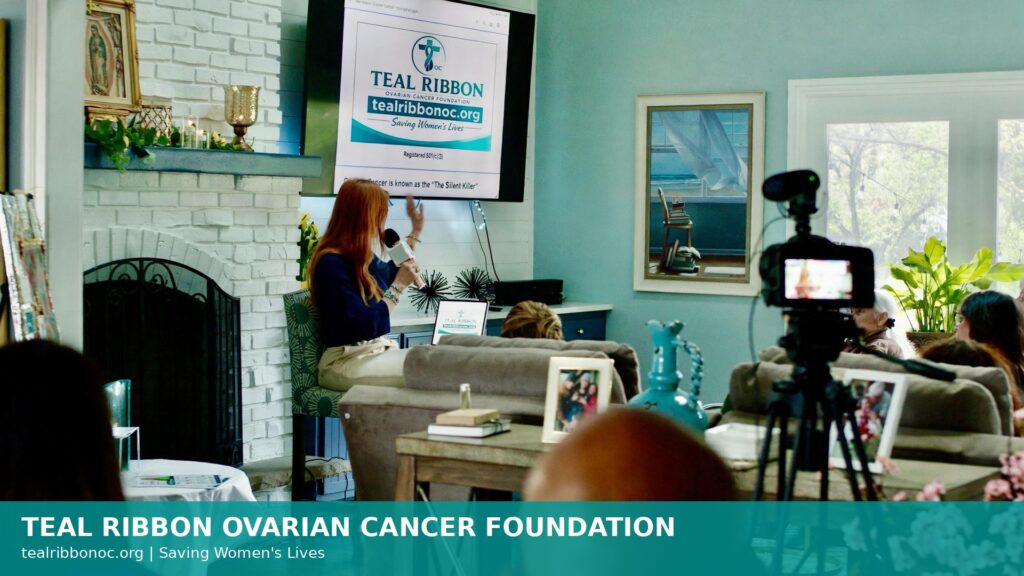
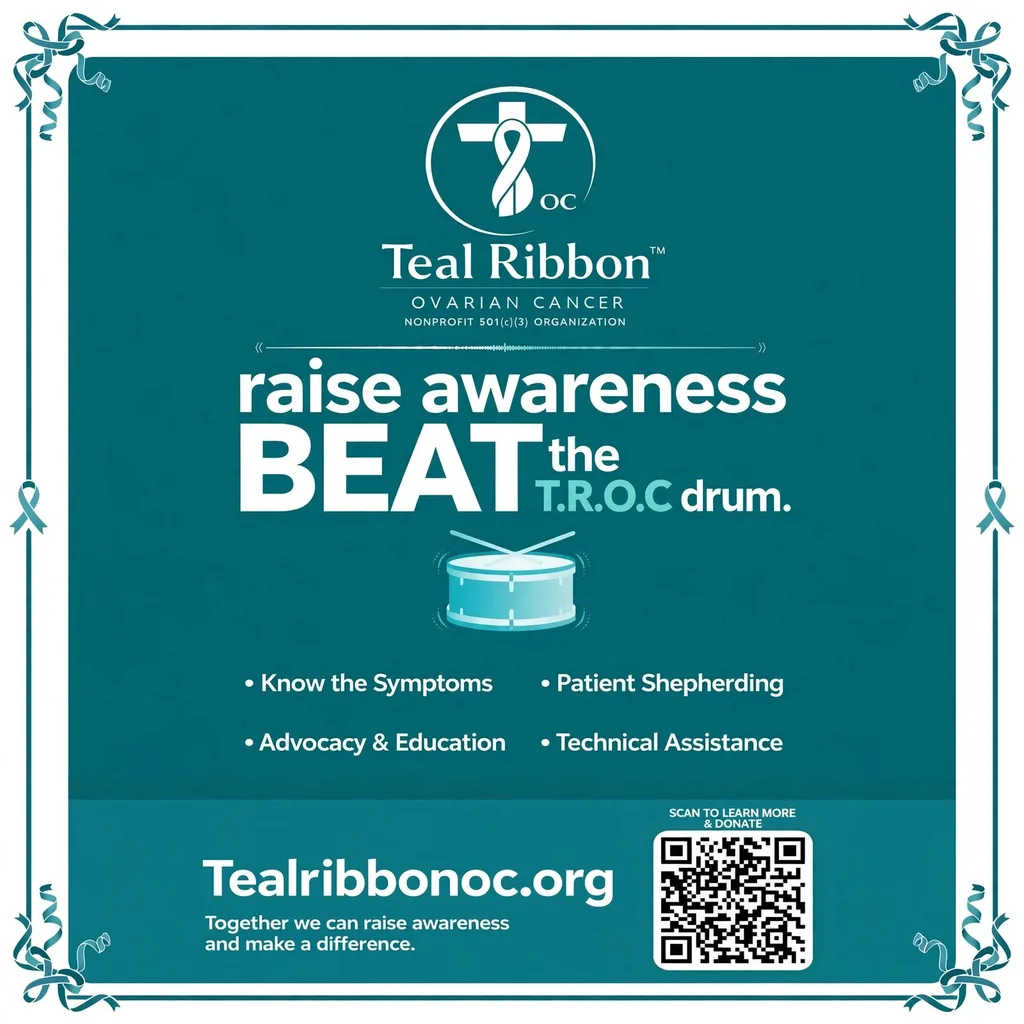
After her own experience with ovarian cancer, Debra helped establish Teal Ribbon Ovarian Cancer (Teal R.O.C), a nonprofit focused on helping women navigate the challenges that can accompany an ovarian cancer diagnosis.
Since beginning the organization, Debra says they have helped 45 women through the advocacy process.
Forty-five women.
Forty-five individual lives, questions, fears, families and stories.
For Debra, it has been both a blessing and an honor.
And perhaps that number tells us something important about advocacy. You don’t have to reach thousands of people for your life to have an extraordinary ripple effect.
Sometimes impact looks like one woman helping another woman understand what question to ask.
One survivor helping another find her voice.
One person saying, I’ve walked through something like this. Let me walk beside you.
And then doing it again.
And again.
And again.
Cancer Happened to Her Family, Too
Debra’s experience also taught her something about cancer, we at Teal Diva understands deeply: cancer may happen in one person’s body, but its impact rarely stops there.
“I know my family has never gotten over what I went through,” Debra shared. “They too suffered greatly on this battlefield.”
Caregivers live a cancer story of their own.
They sit in waiting rooms. They listen to doctors. They manage medications, appointments, meals, work and households. They hold hands and hold fears. Sometimes they become so focused on keeping the person they love standing that no one notices they are struggling to stand themselves.
Looking back, Debra recognized something her own family had needed.
Support.
Guidance.
A place for their experience.
So she created one.
The program is called Shattered Glass, designed to bring healing and guidance to caregivers traveling a path Debra’s own family once walked without that kind of support.

And Debra describes what came from that realization in one extraordinary sentence:
“I took their pain and turned it into purpose.”
That may be one of the most powerful descriptions of survivorship there is.
Not pretendeing the pain didn’t happen. Not insistng everything happens for a reason. Not erasing what cancer tool. Taking what remains and asking: What can I do with this now?
Turning Pain Into Purpose
Faith is also deeply woven into Debra’s understanding of that purpose.
She returns to the biblical promise that all things can work together for good, and she sees continuing this work as part of her calling.
“By the grace of God, I will soldier on,” she wrote.
Why?
Because there are women who still need information.
Women who need encouragement to listen to their bodies.
Women who need help navigating an unfamiliar medical system.
Women who need someone to remind them that asking another question, requesting another opinion or speaking up for themselves isn’t being difficult.
It’s advocacy.
And sometimes advocacy begins with the person who has already walked the road turning around and saying:
Come this way. I’ll show you what I learned.
Beyond the Teal Ribbon
Ovarian Cancer Awareness Month gives us an opportunity to talk about early warning signs, symptoms, risk factors, research and early recognition. Those conversations matter.
But awareness should also make room for the women behind the statistics.
Women like Debra.
Because today, Debra isn’t simply the woman who was diagnosed with Stage IIIC high-grade serous ovarian cancer.
She is a survivor who still goes to her own appointments.
She still waits for her own test results.
She can still feel an unexpected pain and have her mind travel somewhere she wishes it wouldn’t.
And she keeps going.
At the same time, 45 women have been helped through the advocacy process she helped create.
There is a caregiver program because her family once needed one and couldn’t find it.
There are women learning how to speak up because Debra learned how difficult it can be to make yourself heard.
There is purpose growing in places where there was once pain.
That is survivorship, too.
It isn’t always leaving cancer behind.
Sometimes it’s reaching back while continuing to move forward.
Sometimes it’s taking the thing that shattered part of your world and using the pieces to build something another person can hold onto.
Debra’s cancer diagnosis tells us what happened to her.